


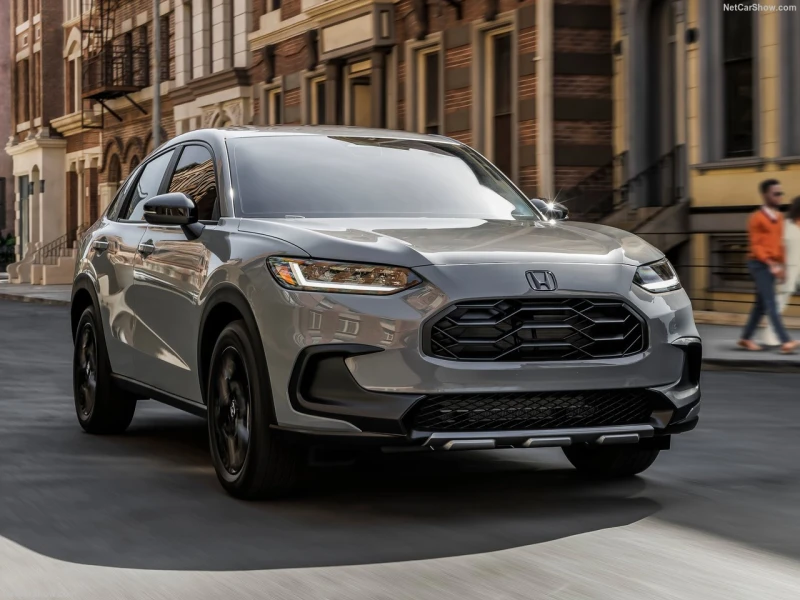
For U.S. buyers, the current Honda HR-V generation begins with the 2023 model year. Unlike the e:HEV hybrid sold in some other regions, the U.S.-market HR-V uses a naturally aspirated 2.0-liter four-cylinder rated at 158 hp and 138 lb-ft, paired with a conventional continuously variable transmission (CVT). Front-wheel drive is standard and Honda's Real Time AWD is available. The same basic powertrain remains in the current lineup. This guide focuses on documented U.S. recalls, manufacturer campaigns, equipment differences, and practical checks for a used HR-V.
Key drawbacks and issues to know
The most important documented issue for certain 2023–2025 HR-V models is the steering-gearbox safety recall. Honda and NHTSA identified excessive internal friction in the steering gearbox that can make the steering feel unusually heavy or momentarily sticky, particularly during small steering corrections. The remedy involves work to the steering gearbox, and affected vehicles should be checked by VIN to confirm whether the recall repair has been completed.
Some 2023 HR-Vs were also included in a Honda product-update campaign for the rear window. Honda found that sealer used during assembly could contact the rear defroster heating elements, creating a hot spot that could weaken the glass over time. Eligible vehicles are inspected and, when necessary, the rear glass is replaced. On a used 2023 example, ask whether this campaign applies to the VIN and whether the inspection or replacement has already been performed.
Another safety recall covers certain 2023–2024 HR-Vs for the front seat-belt pretensioners. In affected vehicles, a rivet securing part of the pretensioner assembly may be missing. Because recall coverage is VIN-specific, a pre-purchase check through Honda or NHTSA is more useful than relying only on the model year.
Fuel economy is straightforward because the U.S. HR-V does not use the e:HEV system. For the 2026 model year, Honda lists EPA ratings of 26 mpg city, 32 mpg highway, and 28 mpg combined for front-wheel-drive versions, and 25/30/27 mpg for AWD. Actual consumption will vary with speed, weather, traffic, tires, and driving style. There is no hybrid traction battery or e-CVT to evaluate on an official U.S.-market HR-V of this generation.
Infotainment equipment also varies by year and trim. On 2023–2025 models, LX and Sport use a 7-inch touchscreen with wired Apple CarPlay and Android Auto, while EX-L receives a 9-inch screen with wireless smartphone integration. For 2026, Honda made the 9-inch touchscreen, wireless Apple CarPlay and Android Auto, and a wireless phone charger standard across the lineup. Buyers comparing used examples should treat these differences as equipment changes rather than faults.
Versions and model years — what deserves extra attention
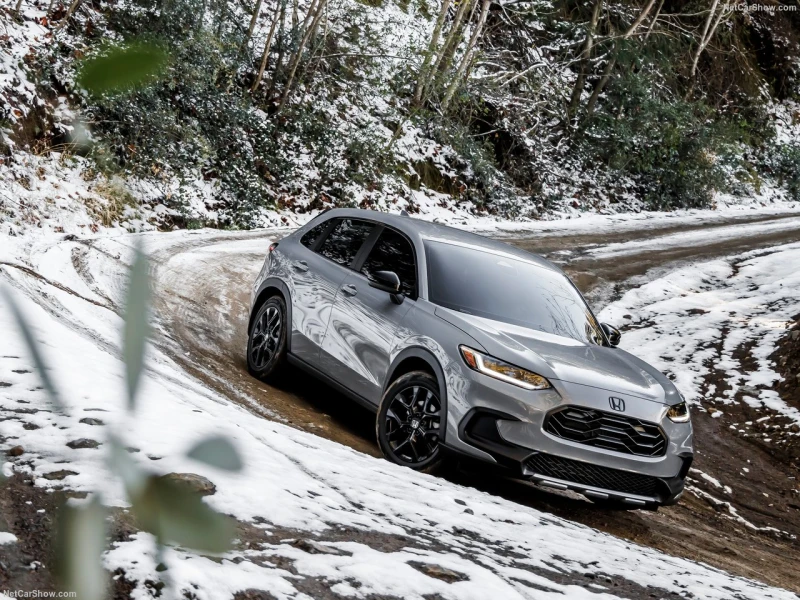
The U.S. third-generation HR-V launched for 2023 in LX, Sport, and EX-L trims. All use the same 158-hp 2.0-liter engine and CVT, with either front-wheel drive or available AWD. That makes the U.S. specification much simpler than the global HR-V range: there is no official U.S. 1.5-liter turbo or e:HEV version in this generation.
For 2023 models, the rear-window product update is an important VIN-specific check. For 2023–2024 vehicles, verify completion of the seat-belt pretensioner recall. For 2023–2025 vehicles, verify the steering recall and pay attention during a test drive to steering effort around center, especially during small corrections at moderate and highway speeds.
The 2026 model year brought a light refresh rather than a mechanical redesign. The most meaningful change is the standard 9-inch infotainment screen with wireless Apple CarPlay and Android Auto, plus standard wireless phone charging. Wheel designs and some trim details also changed, while the 158-hp 2.0-liter engine, CVT, and available AWD continued. The current 2027 HR-V retains the same basic engine and drivetrain layout.
Used Honda HR-V market in the United States
Major U.S. used-car platforms for comparing 2023-and-newer HR-V listings include Autotrader, CarGurus, and Cars.com. Instead of relying on a single advertised price, compare vehicles of the same model year, trim, drivetrain, mileage, title status, and region. A clean-history front-wheel-drive LX and an AWD EX-L with accident history are not directly comparable even if their asking prices are similar.
Before purchase, run the VIN through the NHTSA recall lookup and Honda's owner resources, then review a vehicle-history report such as CARFAX or AutoCheck. Look for collision repairs, flood or salvage history, repeated glass replacement, rental or fleet use, and mileage inconsistencies. On 2023 models, documentation of the rear-window campaign is especially useful; on 2023–2025 models, confirm the steering recall status.
A physical inspection should cover tire wear, wheel alignment, suspension noises, brakes, underbody condition, and evidence of previous body repair. In states that use road salt, inspect exposed underbody hardware and suspension components for corrosion. On AWD vehicles, verify that all four tires are closely matched in size and wear. Service records should also show routine maintenance consistent with Honda's Maintenance Minder rather than an improvised schedule.
During the test drive, check that the CVT responds smoothly, the steering returns naturally and does not feel sticky, all Honda Sensing functions operate without warning messages, and the infotainment system connects reliably to your phone. For earlier LX and Sport trims, remember that wired smartphone integration is normal factory equipment, not a missing feature.
What can be corrected and how to plan a repair budget
Open safety recalls should be handled by an authorized Honda dealer, with recall remedies performed at no charge to the owner. The 2023 rear-window issue is a separate Honda product-update campaign, so eligibility should be confirmed by VIN before purchase. If a seller says a campaign was completed, ask for the repair order or verify the status with a dealer.
Normal used-car costs depend heavily on mileage and condition. Tires, brakes, alignment, cosmetic repairs, and suspension wear can be priced during a pre-purchase inspection. Avoid using a fixed percentage of the vehicle's value as a repair budget; a well-maintained low-mileage HR-V may need little beyond baseline service, while an accident-repaired or neglected example can require substantially more.
Software updates may be available for specific systems, but they should not be treated as a universal cure for every infotainment or driver-assistance complaint. If warning lights, repeated system errors, steering symptoms, or glass damage are present, diagnose the actual condition and check applicable campaigns before assuming the issue is minor.
Conclusions and buying recommendations
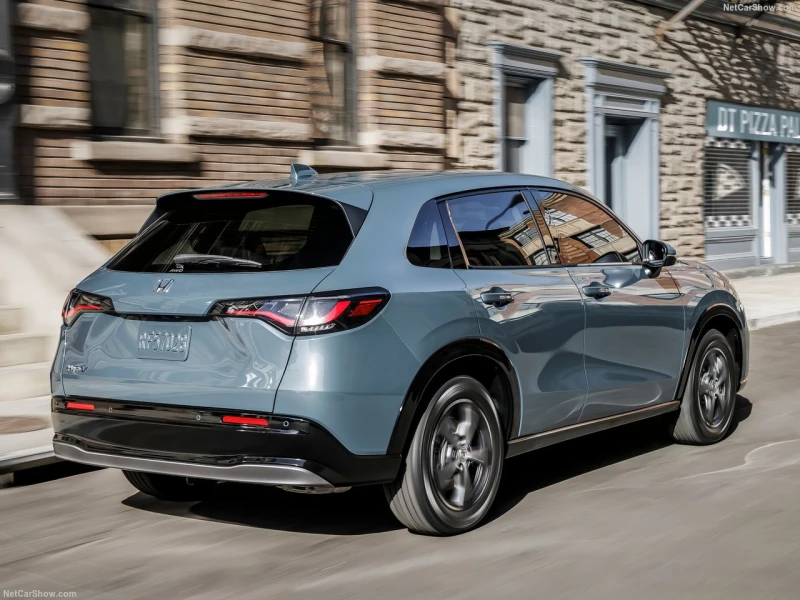
The U.S.-market Honda HR-V from 2023 onward is mechanically simpler than the hybrid versions sold elsewhere: one 2.0-liter gasoline engine, one CVT, and a choice of front-wheel drive or AWD. That simplifies powertrain comparison, but documented campaign history still matters.
For 2023–2025 vehicles, the steering recall should be one of the first VIN checks. A 2023 model also deserves confirmation of the rear-window product update, while certain 2023–2024 vehicles require verification of the seat-belt pretensioner recall. These checks are more relevant to U.S. buyers than concerns about e:HEV batteries or hybrid e-CVT hardware, which do not apply to the official U.S. model.
If infotainment features matter, 2026-and-newer versions have an advantage because the 9-inch screen, wireless Apple CarPlay and Android Auto, and wireless phone charging became standard. Regardless of model year, condition, recall completion, service history, and a careful test drive should determine whether a particular used HR-V is worth considering.
Overall, the best approach is to shop by VIN and condition rather than by broad claims about model-year reliability. A pre-purchase inspection, recall check, and documented service history provide a much stronger basis for evaluating a used Honda HR-V in the United States.