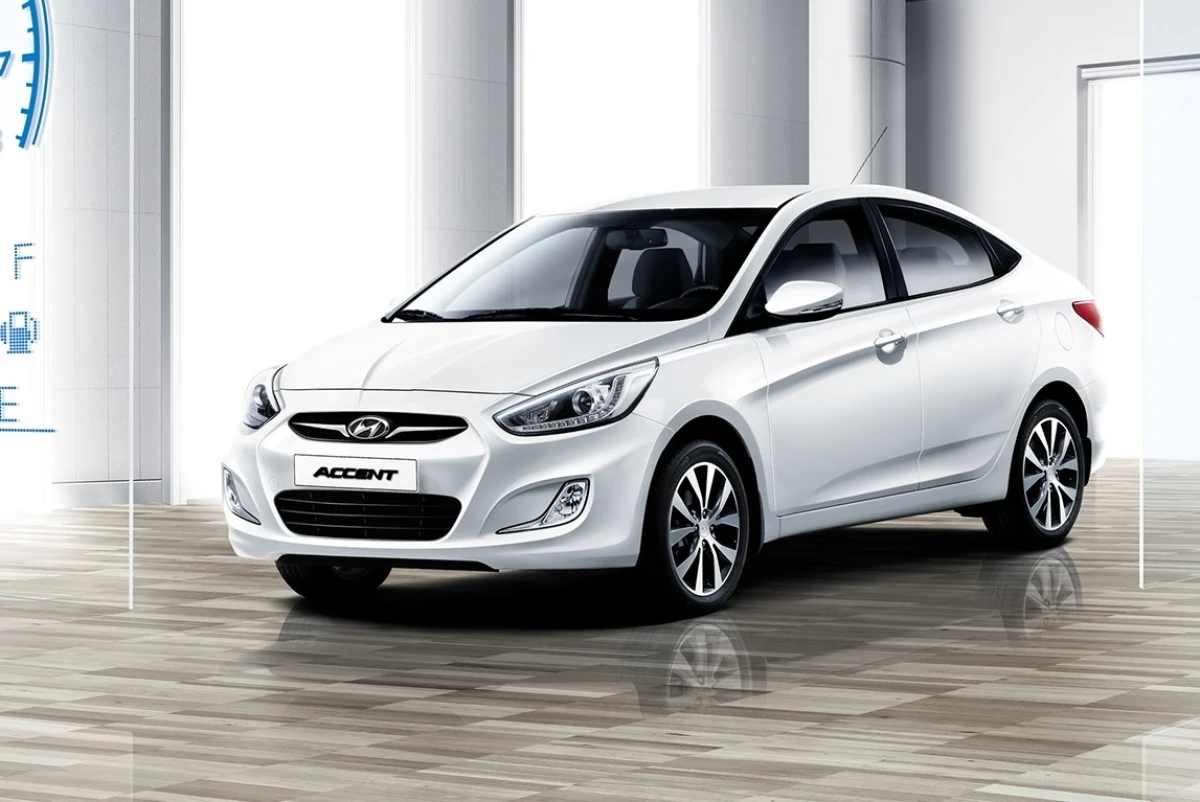



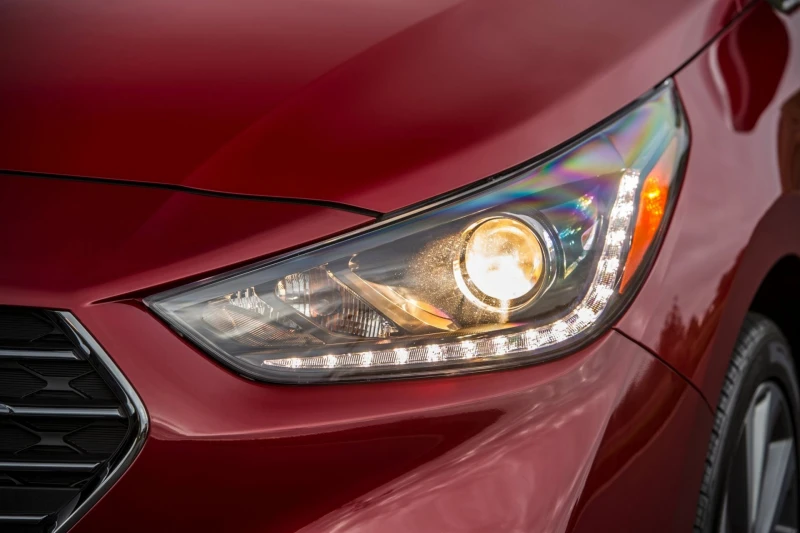
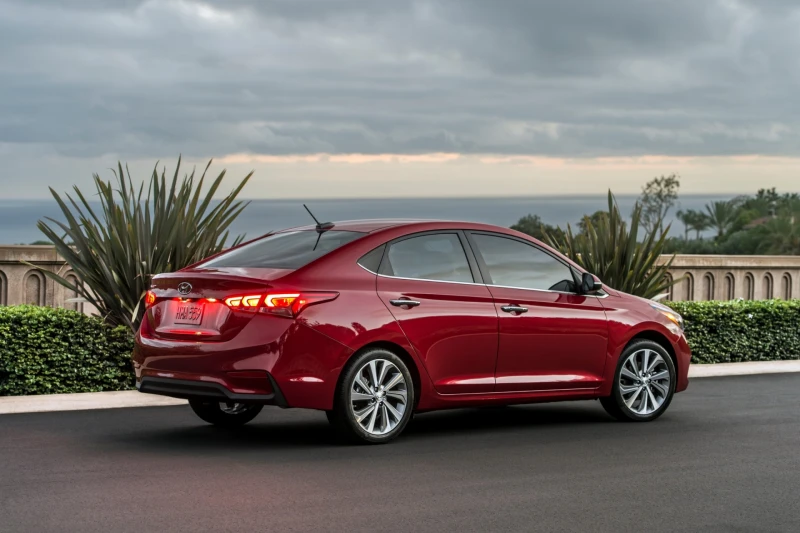
Like any used car, the fifth-generation Hyundai Accent has age-, mileage-, and maintenance-related issues that can affect ownership. For the U.S. market, the relevant model years are 2018–2022; Hyundai discontinued the Accent in the United States for the 2023 model year. This guide focuses on U.S.-spec cars and the main areas worth checking before purchase. For the generation overview, technical specifications, and interior, see the other articles in this series.
Key drawbacks and ownership considerations
U.S.-market 2018–2019 Accent sedans use a 1.6-liter gasoline direct-injection four-cylinder rated at 130 hp and 119 lb-ft, paired with a 6-speed manual or 6-speed automatic depending on trim. EPA estimates for the automatic are about 28 mpg city, 38 mpg highway, and 32 mpg combined; the manual is rated at about 28/37/31 mpg. For 2020, Hyundai switched to a Smartstream 1.6-liter dual-port-injection engine rated at 120 hp and 113 lb-ft. Cars with the IVT are rated at roughly 33 mpg city, 41 mpg highway, and 36 mpg combined, while 2020–2021 SE manuals are lower. The manual transmission was dropped for the 2022 model year. Real-world fuel use varies with traffic, temperature, tire condition, and driving style, so EPA ratings should be treated separately from owner-reported consumption.
Infotainment equipment varies by trim and model year. Early SE cars use a basic 5-inch touchscreen, while higher trims offered a 7-inch system with Apple CarPlay and Android Auto. Because smartphone integration was available before the 2020 refresh, it should not be assumed to be a facelift-only feature. On a used car, check the touchscreen, USB connection, Bluetooth pairing, backup camera, steering-wheel controls, and speakers. Road and tire noise can also become noticeable at highway speeds, which is common in this price class.
Interior materials are durable enough for economy-car use but can show scratches, shiny wear on frequently touched surfaces, worn seat fabric, and rattles as mileage increases. Mechanically, the 6-speed automatic used on 2018–2019 cars and the IVT used on later U.S. cars require different diagnostic approaches, so transmission behavior should be evaluated on a cold start and during a full test drive. Check for delayed engagement, abnormal noises, warning lights, fluid leaks, or inconsistent acceleration. Trim names for the U.S. market include SE, SEL, and Limited, with equipment varying by year.
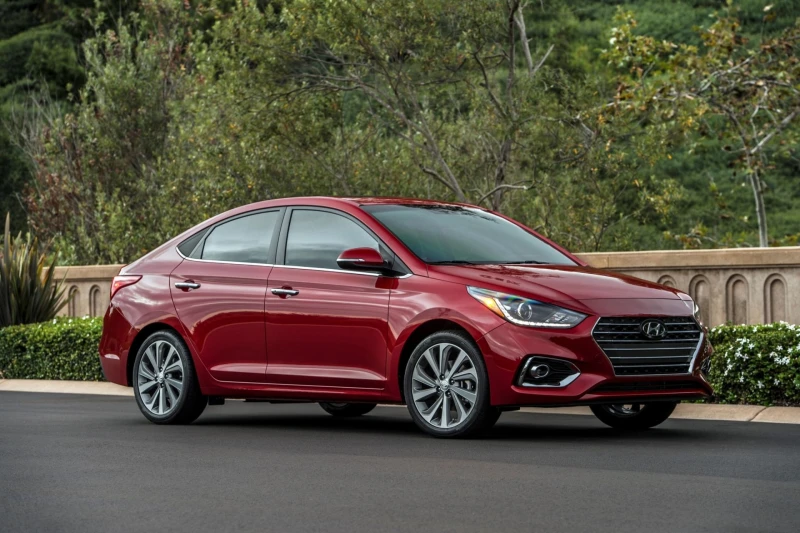
Model years and versions — what deserves extra attention
For 2018–2019 cars, pay particular attention to maintenance history, oil level, cold-start behavior, warning lights, misfire codes, and the condition of the 6-speed automatic or manual transmission. These model years use the 130-hp 1.6 GDI engine rather than the later Smartstream unit. There is no need to assume that every early Accent has a specific engine defect, but a neglected car can still show oil consumption, ignition problems, leaks, or catalyst-related faults that warrant diagnosis before purchase.
The 2020 model year brought the 120-hp Smartstream 1.6 DPI engine and Hyundai's IVT on automatic versions, with a 6-speed manual still available on the SE through 2021. For 2022, the U.S. lineup became IVT-only. Later cars generally offer the more fuel-efficient powertrain, but model year alone does not guarantee better mechanical condition. Service records, accident history, tire wear, suspension condition, and transmission behavior remain more important than simply choosing the newest example.
Used Hyundai Accent market in the United States
In the United States, the fifth-generation Accent is now a used-car-only proposition. Listings can be found on platforms such as Autotrader, CarGurus, and Cars.com, but prices vary widely by model year, mileage, trim, title history, region, and condition, so a fixed national price range can become outdated quickly. Cars from road-salt states deserve a careful underbody inspection for corrosion around suspension hardware, subframes, brake components, exhaust parts, and body seams, while vehicles from hotter climates may show more sun-related paint, trim, and interior wear.
Vehicle history is especially important. Check the VIN for accident or salvage records, maintenance entries, open recalls or service campaigns, and mileage consistency. Theft-prevention equipment is also a U.S.-specific consideration for this generation: some Accent vehicles from this era were included in Hyundai's anti-theft campaign, so VIN-based eligibility and completed updates should be verified. Equipment differs between SE, SEL, and Limited trims and across model years, so confirm features on the actual car instead of relying on a generic listing description.
What can be improved and how to plan a repair budget
Some comfort-related shortcomings are straightforward to address. Additional sound-deadening material in the doors, floor, or wheel-arch areas can reduce road noise, while an aftermarket head unit can add newer connectivity features to cars with the basic factory system. Worn seat fabric, scratched trim pieces, or damaged switchgear can usually be repaired or replaced without changing the car's basic mechanical condition.
Common age-related work may include tires, brakes, battery replacement, suspension bushings, shocks or struts, wheel bearings, fluids, and routine engine service. Any corrosion found underneath should be evaluated before cosmetic treatment, because structural rust and surface rust are not the same issue. On IVT-equipped cars, abnormal behavior should be diagnosed before purchase rather than treated as normal CVT operation.
Instead of assuming a fixed percentage of the purchase price for repairs, it is more useful to budget around the individual car. A pre-purchase inspection can identify immediate needs such as tires, brakes, fluid leaks, worn suspension parts, air-conditioning faults, or transmission concerns. Cars with incomplete records, accident history, high mileage, or signs of neglect justify a larger reserve than a well-documented example with recent maintenance.
Conclusions and buying recommendations
In 2026, the main concerns with a used 2018–2022 Hyundai Accent are not limited to one universal failure point. The U.S. generation spans two distinct 1.6-liter powertrains and different transmissions, so the inspection should match the exact model year. The 2018–2019 cars use the 130-hp GDI engine with a 6-speed manual or automatic, while 2020–2022 cars use the 120-hp Smartstream 1.6 DPI; IVT availability begins with the 2020 refresh, and the 2022 U.S. model year is IVT-only.
During inspection, check the body and undercarriage for crash repair and corrosion, verify fluid levels and cold-start behavior, scan for stored fault codes, test the transmission through a full drive cycle, and listen for suspension or wheel-bearing noise. Confirm the VIN history, theft-related updates, recall status, and actual trim equipment. A well-maintained Accent can still make sense as a simple commuter car, but condition and documented maintenance matter more than mileage or model year alone.