


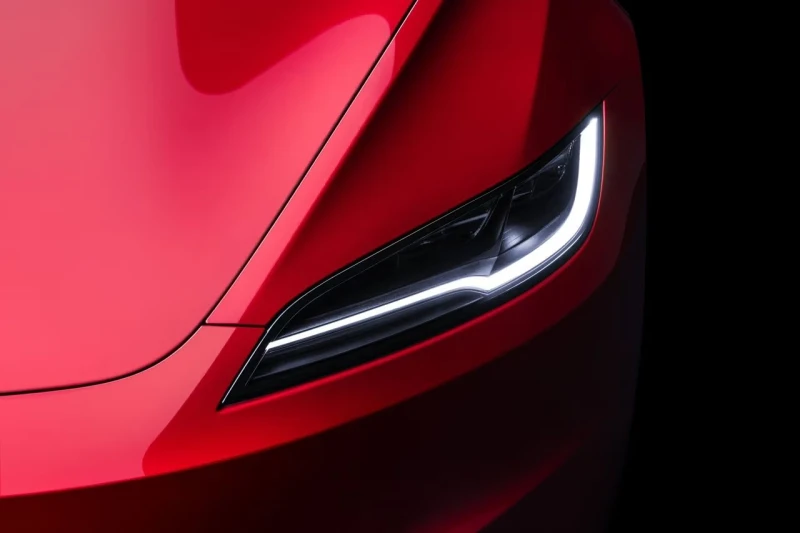
The Tesla Model 3 II (Highland) is the current generation of this popular electric sedan, which arrived on the market relatively recently. Owners frequently highlight a mix of impressive updates and some everyday quirks tied to real-world use.
Here are the most common points raised in owner feedback:
- Winter energy consumption and range: In cold weather (temperatures below 14 °F), energy use can climb to 27–35 kWh/100 miles, cutting real-world range by 20–30 % versus summer figures. The standard heat pump helps, but it can’t fully offset the impact of freezing temperatures.
- Noise insulation: Even with upgrades like double-pane glass all around, tire and wheel-arch noise becomes noticeable above 62 mph on coarse pavement. Overall cabin quietness is still better than the previous generation.
- Infotainment system and navigation: The 15.4-inch central touchscreen and 8-inch rear display are generally reliable, but nearly all vehicle functions run through the screen and take time to master. Occasional lag or navigation hiccups can appear, especially with weak cellular signal.
- Interior materials: The vegan leather and textured plastics feel premium, yet the popular white interior shows dirt easily and can yellow over time. Glossy screen and console surfaces attract fingerprints quickly.
- Service complexity: High-voltage diagnostics and repairs require specialized Tesla tools and training. The official Tesla service network is well developed across the country, though availability drops outside major metro areas.
- Cost of key components and parts: Replacing the battery, inverter, or ICCU module is expensive out of warranty. Everyday items like brake pads and tires are reasonably priced, but genuine Tesla parts often involve wait times for ordering.
Model years and versions — what to watch for
This is still a young generation with a short production history. Key notes on early builds:
- 2024 models: Early examples (late 2023 to early 2024) occasionally experienced software glitches such as screen freezes or wireless charging issues, though these were never widespread. Some owners also reported suspension creaks in very cold weather while the new dampers settled in.
- 2025–2026 models: Over-the-air updates have greatly improved software stability and reduced complaints about screens and charging. Factory refinements, including better acoustic materials, have boosted overall reliability. Performance versions feature a stiffer suspension that can transmit more road noise and thumps on rough pavement.
Battery degradation has not become a widespread issue so far (typically 2–4 % after 18,600–31,000 miles). Regular OTA updates and minor hardware tweaks have enhanced cold-weather performance and long-term durability.
Used car market in the United States
Tesla Model 3 Highland vehicles are available in growing numbers on the US used market. As of March 2026, thousands of listings appear on platforms such as Autotrader, Cars.com, and Tesla’s official pre-owned inventory — mostly 2024–2025 examples produced in the US, China, or Europe. New cars are sold directly through Tesla, while used examples make up roughly 70 % of available inventory.
Market highlights:
- Body condition: Galvanized steel holds up well with minimal structural rust, but the low ground clearance (5.4–5.5 inches) leads to scrapes on the underbody and bumpers over uneven roads or speed bumps. Paint chips on the hood are fairly common.
- Road salt and corrosion: Winter road salt in the Snow Belt speeds up surface corrosion on unprotected areas, particularly on cars originally from milder climates such as California. Always inspect wheel arches, sills, and the underbody.
- Service history importance: Vehicles with full records through the Tesla app or authorized US service centers are preferred. Missing history can hide previous software or battery concerns.
- Original parts and equipment: Check for aftermarket replacements following repairs. Popular packages often include the white interior, ventilated seats, and Full Self-Driving capability.
- Actual mileage verification: Odometer tampering is rare thanks to Tesla’s secure system, but always cross-check via the app (charge cycles and battery State of Health) or a professional diagnostic scan.
- Origin and specifications: Most are US-spec with the standard NACS charging port. Some Chinese-built LFP models and European examples (with CCS2) may require adapters.
- Typical market offerings: Long Range AWD 2024–2025 models with 3,000–25,000 miles. Approximate market prices in the United States start from $38,000.
What can be fixed and typical costs to get it right
Most reported quirks are straightforward to address:
- Adding extra sound deadening to the wheel arches and floor — noticeably quiets road noise (typical shop cost for materials and labor is moderate).
- Software and infotainment updates — free via over-the-air or at a Tesla service center.
- Replacing worn interior pieces (seats, trim) — affordable at specialist upholstery shops.
- Suspension refreshes or damper upgrades — standard work with readily available parts.
- Underbody and arch corrosion protection — strongly recommended for any vehicle that has seen winter roads.
- Routine maintenance items: 12-volt battery replacement every 3–5 years and cabin filter changes.
When buying a used Model 3, it’s smart to budget extra for inspection, minor repairs, and preventive work depending on the vehicle’s condition. Early 2024 examples may need a bit more attention, but the total is usually just a few percent of the purchase price.
Final thoughts and buying advice
The Tesla Model 3 II (Highland) remains a strong choice for drivers seeking a modern electric sedan packed with comfort and advanced technology. With proper care it delivers solid reliability.
Long Range AWD versions from 2025–2026 (better software and noise control) or RWD LFP models (excellent battery longevity) are the smartest picks right now.
Before purchase, be sure to check:
- battery diagnostics (State of Health, charge cycles, error codes)
- screen and driver-assist system functionality
- suspension condition (any knocks or wear)
- body for paint chips and corrosion
- full service history in the Tesla app
For complete technical specifications, interior photos, and more in this series, check our other coverage.