


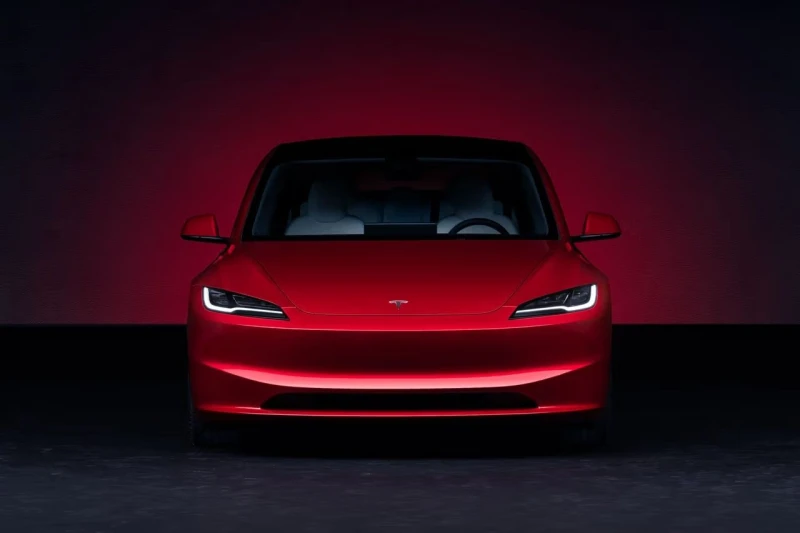
The transmission is a single-speed reduction gear with a fixed ratio. In the United States, vehicles are primarily built in Fremont or Shanghai and use the native NACS charging port. European-spec cars (CCS2) are rarer and usually require an adapter when imported.
Main powertrains of this generation:
| Battery (nominal) | Drivetrain | Power (hp) | Torque (lb-ft) | Transmission | Availability | Notes / Market |
|---|---|---|---|---|---|---|
| ~60–62 kWh (LFP) | RWD | 283–306 | ~310–332 | Reduction gear | 2024–present | Base version, widely available in the US |
| ~78–82 kWh (NMC) | RWD | 306–334 | ~332–369 | Reduction gear | 2024–2025 | Long Range RWD, limited availability |
| ~78–82 kWh (NMC) | AWD | 394–441 (combined) | ~487–516 | Reduction gear | 2024–present | Long Range Dual Motor, popular choice on the US market |
| ~78–82 kWh (NMC) | AWD | 510–534 (combined) | ~516–546 | Reduction gear | 2024–present | Performance, with adaptive suspension |
All versions come standard with a heat pump. The high-voltage architecture is 400 V (compared to 800 V in the Model Y Juniper or Cybertruck). DC fast charging peaks at up to 250 kW (real-world 170–220 kW at most stations). Regional differences are minimal: US versions use the native NACS port, while imported vehicles may require adapters.
Dimensions and Weight
The dimensions of this generation have changed only slightly compared to the pre-refresh Model 3, but curb weight has increased due to additional sound insulation and new equipment. Figures are averaged across the most common versions.
| Parameter | Value | Notes |
|---|---|---|
| Length, in | 185.8 | +1.0 in compared to 1st gen |
| Width (mirrors folded / extended), in | 72.8 / 82.2 | Unchanged |
| Height, in | 56.7–56.8 | Slightly lower |
| Wheelbase, in | 113.2 | Fixed |
| Ground clearance, in | 5.4–5.5 | Performance lower (~5.1–5.3 in) |
| Curb weight, lbs | 3,880–4,070 | RWD ~3,880–4,010 lbs, AWD ~4,010–4,070 lbs |
| Gross vehicle weight (GVWR), lbs | 4,980–5,110 | Depends on drivetrain and battery |
| Cargo volume (rear + frunk), cu ft | 21 + 3.1 (RWD) / 21 + 1.0 (AWD) | Rear trunk increased by ~0.7 cu ft |
Weight has increased by 110–220 lbs compared to the first generation due to enhanced sound insulation and new equipment.
Yearly Updates and Refresh
This generation remains current. Since its launch (late 2023 – early 2024), no major visual refreshes have occurred, but Tesla has implemented incremental changes through manufacturing and software updates:
- 2024: Production ramp-up in Fremont and Shanghai for the North American market. Base models use LFP (CATL), Long Range and Performance use NMC (LG/Panasonic)
- 2025: Increased share of LFP in some Long Range RWD variants, software improvements for better charging efficiency and lower energy consumption
- 2026: Minor changes in component suppliers (acoustic materials, motors), HW4.1 / HW4.2 hardware in later batches
On the US market, all 2024–2026 configurations are relevant. Older versions with induction motors and without a heat pump have been phased out. The main choices are RWD LFP (maximum efficiency) and Long Range AWD (balance of range and performance).
Operating Features and Technical Notes
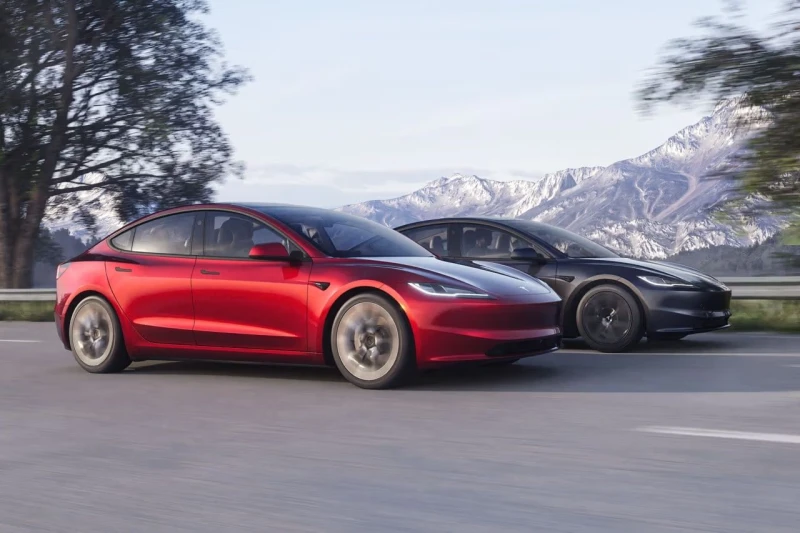
In the United States, the Model 3 Highland has been in use since 2024. PMSM electric motors demonstrate excellent reliability — serious failures are rare. The most popular versions are Long Range AWD and RWD LFP.
According to US owner reports and test data (2024–2026), average energy consumption in mixed driving is about 24–28 kWh/100 miles in mild weather and 30–35 kWh/100 miles in winter conditions (around 14–23 °F). Real-world range is typically 280–340 miles in summer and 220–280 miles in winter for the Long Range AWD; RWD LFP versions can deliver 60–100 miles more in warm weather.
The reduction gear is highly reliable and requires no scheduled oil changes. All-wheel drive increases consumption by 8–12 % but significantly improves traction on slippery roads. Parts availability: consumables (brake pads, filters, tires) are widely available and affordable; high-voltage components (inverter, ICCU, battery) are expensive and often sourced from Tesla or authorized centers. Repairability is average — most work can be done at specialized EV shops, but official diagnostics and battery replacement are handled through Tesla Service.
Battery degradation at 20,000–50,000 miles is usually 2–6 % under normal use (charging to 80–90 % and preconditioning).
Summary and Best Choice for the US Market
From a technical standpoint, the most balanced option on the US market is the Long Range AWD with the ~78–82 kWh battery: solid EPA-estimated range, all-wheel drive for varied weather conditions, reasonable efficiency, and strong resale value. RWD versions with LFP batteries offer lower degradation, a more affordable price, and superior efficiency in warm weather, but they give up some acceleration and cold-weather traction.
The Performance variant remains a niche choice due to higher consumption, firmer ride, and faster tire wear. When buying used, check battery state of health (SoH) via diagnostics, charging history, and underbody condition. A detailed review of exterior design, interior, trim levels, and common issues of this generation is available in other articles in the series.