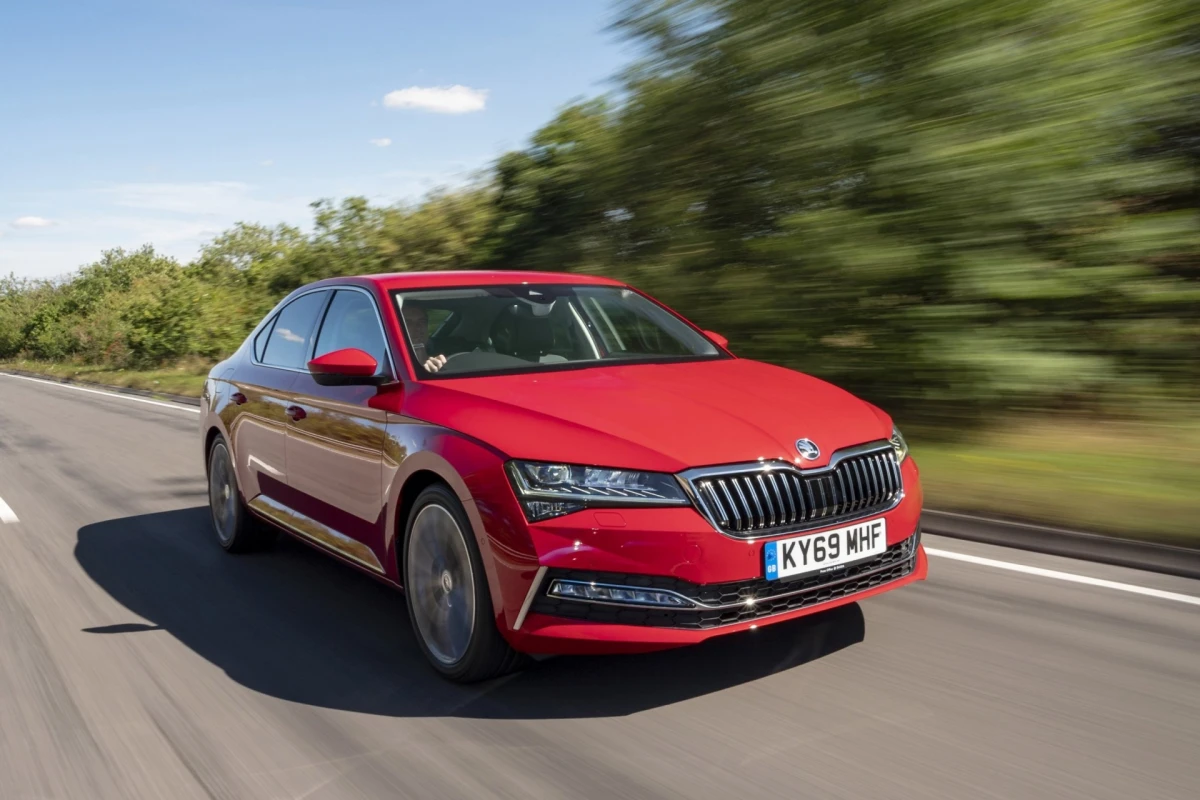
Even after production ended in 2020, the model retains strong appeal thanks to its straightforward, proven engineering that adapts well to American roads, climate, and driving habits. Design, interior, and trim levels are covered in other articles in the series — here we focus solely on what’s under the hood and how it performs in real-world US conditions.
Powertrains: Simplicity and Reliability as the Main Advantages
The engine lineup for the first-generation Creta was built around two naturally aspirated gasoline engines with port injection and no complex turbocharging. This kept ownership costs low and repairability high, even past 100,000–150,000 miles. Diesel versions (1.6 CRDi) were rare parallel imports and made up a tiny share — most buyers avoided them due to higher maintenance costs and sensitivity to fuel quality. The focus in the US stayed on the gasoline models, which handle cold winters better and don’t require extra fluids like AdBlue.
All-wheel drive was offered only with the 2.0-liter engine and automatic transmission — this combination proved popular in regions with harsh winters and unpaved roads. Front-wheel drive dominated in urban versions with the 1.6-liter engine.
| Engine Type | Displacement, L | Power, hp | Transmission | Drivetrain |
| Gasoline Gamma 1.6 MPI | 1.6 | 123 | 6-speed MT / 6-speed AT | Front-wheel drive |
| Gasoline Nu 2.0 MPI | 2.0 | 150 | 6-speed AT | Front-wheel drive / All-wheel drive |
| Diesel U2 1.6 CRDi (rare) | 1.6 | 128 | 6-speed MT / 6-speed AT | Front-wheel drive |
Both gasoline engines feature a timing chain and require minimal intervention with proper maintenance. The 1.6 MPI is the most common choice: simple, efficient in city driving, and tolerant of regular unleaded fuel. The 2.0 MPI feels noticeably peppier, especially on the highway, and works better for those who frequently carry a full load or tow a small trailer.
Transmission Features and Real-World Behavior
The six-speed manual offers crisp shifts and excellent longevity. The automatic (torque-converter) paired with either engine shifts smoothly and reliably — it doesn’t suffer typical overheating issues during spirited use as long as the fluid is changed every 40,000–50,000 miles. All-wheel drive uses a simple coupling that needs only periodic fluid changes for reliable service.

Dimensions and Weight: Practicality on American Roads
The first-generation Creta rides on the PB platform with a 102-inch wheelbase. This delivers compact exterior dimensions paired with a surprisingly roomy cabin. The 7.5-inch ground clearance is a major plus for the US market: it handles speed bumps, rough county roads, and light off-road trails without scraping the underbody. Dimensions remained nearly unchanged throughout the model’s life, including the 2018 facelift.
| Parameter | Value | Notes |
| Length, in | 168.1 | Pre- and post-facelift |
| Width, in | 70.1 | Excluding mirrors |
| Height, in | 64.0–65.6 | Depending on trim |
| Wheelbase, in | 102.0 | Provides good rear-seat comfort |
| Curb Weight, lbs | 2,790–3,085 | Depends on engine and drivetrain |
| Gross Vehicle Weight, lbs | 3,725–3,950 | Maximum permitted |
| Ground Clearance, in | 7.5 | Well-suited for American roads |
The raised stance and relatively short overhangs make the Creta practical for daily commuting in cities like Los Angeles as well as weekend getaways on Route 66 or similar highways. Curb weight helps deliver good fuel economy while maintaining stable highway manners.

Changes Within the Generation and Their Impact
Over its five-year production run, the Creta QS received one major facelift in 2018. Mechanical changes were minimal: engines received tweaks for emissions compliance, transmissions saw minor optimizations, and sound insulation improved. The powertrain lineup stayed the same — no new engines or major transmission shifts. This means 2018–2020 models differ from earlier ones mainly in small reliability and comfort upgrades, not core construction.
For the US market, this was a positive: later facelifted examples are more commonly found in good condition with updated electronics, while retaining the original simplicity and serviceability.

Real-World Ownership Highlights
According to US enthusiast forums and classified sites, the 1.6 and 2.0 MPI gasoline engines deliver solid reliability past 150,000 miles when oil is changed every 6,000–7,500 miles and quality fuel is used. Real-world combined fuel economy typically runs 22–28 mpg for the 1.6 MPI and 20–25 mpg for the 2.0 MPI, depending on driving style and drivetrain.
Transmissions cause few widespread issues when maintenance schedules are followed. Parts availability is excellent for both OEM and aftermarket. Repairability is strong: engines and transmissions are not “disposable” designs, which is crucial on the used market.
Popular configurations today include the 1.6 MPI with automatic and front-wheel drive for city use, and the 2.0 MPI with all-wheel drive for drivers who frequently head out of town or live in areas with tough winters.
Overall, the technical package of the Hyundai Creta I (QS) strikes an excellent balance of price, fuel economy, maintenance costs, and resale value for American conditions. In the 2026 used market, this model continues to attract buyers looking for a proven design that doesn’t demand expensive or complicated service, while still providing adequate performance and capability for most daily driving scenarios.