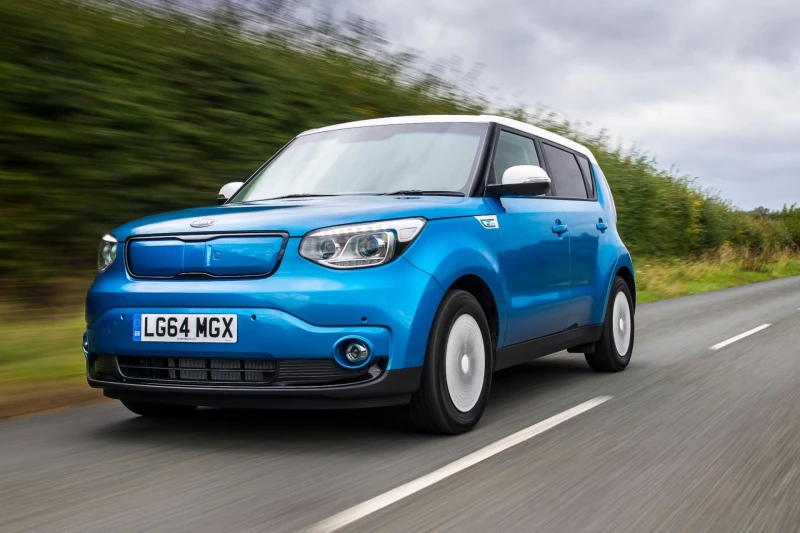
Cars from 2016–2018 with 37,000–80,000 miles are typically offered for approximately $9,000–$14,000 (approximate market price for the United States), and many buyers consider them a practical option for daily commuting and suburban driving. For technical specifications, interior details, and other aspects of the generation, check our other articles in the series. What’s important is understanding how these vehicles hold up in American driving conditions — with road salt in winter, varying fuel quality, and stop-and-go city traffic.
Body and Paint in the Context of American Climate
The paint on the Soul II is relatively thin, particularly on the hood, front fenders, and lower door panels. On highways and in city driving, rock chips can appear within the first 12,000–25,000 miles. In northern states where road salt is heavily used in winter, this often leads to surface rust on rocker panels, wheel arches, and lower door edges. Rear wheel arches and areas under the sills are spots that need attention by 45,000–60,000 miles. Many owners address this with additional rustproofing and protective film, which helps preserve the body but adds to the cost of getting the vehicle in top shape.
GDI Engines and Real-World Fuel Economy
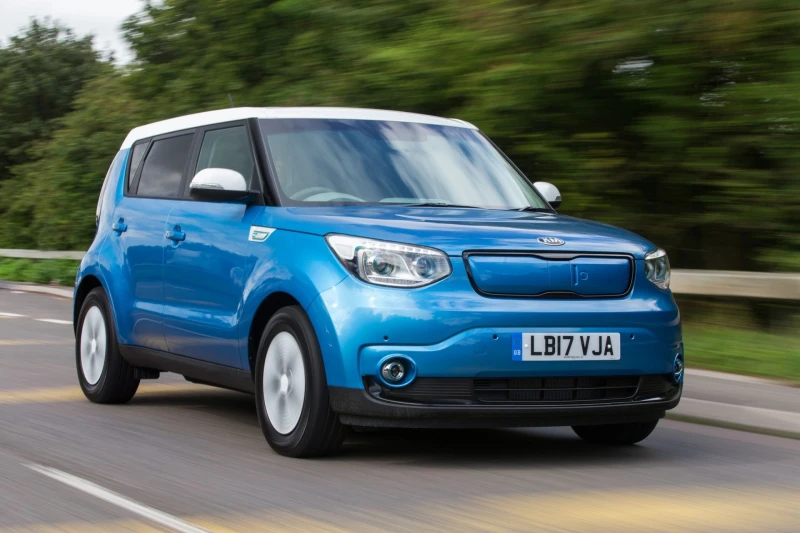
The 1.6L GDI and 2.0L engines generally show good reliability, but in real-world American driving, fuel consumption is often higher than official figures. Owners of the 1.6-liter version report 22–27 MPG in city driving with traffic and cold starts, and 30–35 MPG on the highway. The two-liter variant typically achieves 24–28 MPG in mixed driving. Direct-injection engines are sensitive to fuel quality: with frequent short trips and lower-grade gasoline, carbon buildup can form on the intake valves, eventually affecting performance. The automatic transmission shifts smoothly but requires regular fluid changes, or it may develop harsh shifts.
Suspension and Chassis on American Roads
The compliant suspension handles potholes well, but on rougher roads and interstates, wear items deteriorate faster. Sway bar links, front control arm bushings, and tie rod ends are parts that often need replacement after 25,000–45,000 miles. On vehicles with over 60,000 miles, it’s common to replace shocks and wheel bearings. These repairs aren’t the most expensive, but their frequency should be factored into long-term ownership costs.
Interior, Noise Insulation, and Infotainment in Daily Use
Sound insulation in the second generation is better than the first, but at speeds over 65 mph, road and tire noise can still enter the cabin, especially with aggressive-tread tires. The interior materials are practical, but after 50,000–60,000 miles, seat fabric may show wear, and hard plastics can develop minor squeaks in extreme heat or cold. The infotainment system in early 2014–2016 models could feel laggy, but post-2017 updates made it noticeably more responsive. Rear visibility is limited by the high window line, making backup cameras and sensors very useful in most trims.
What to Consider When Buying and What Can Be Fixed
When shopping for a Kia Soul on the US used market, pay close attention to verified service history — preferably with a clean Carfax report. A thorough inspection should include checking the catalytic converter, suspension components, body for rust, and transmission operation. Vehicles with one or two previous owners and clear local history are usually better preserved than those with multiple owners or uncertain backgrounds.
Most of the noted characteristics are not deal-breakers and can be addressed. Rustproofing, suspension refresh, and engine maintenance fall within reasonable budgets depending on the specific car’s condition. What’s considered normal for a vehicle of this age — slight oil consumption at high mileage or minor interior noises — doesn’t require immediate attention but gives insight into how well the car was cared for.
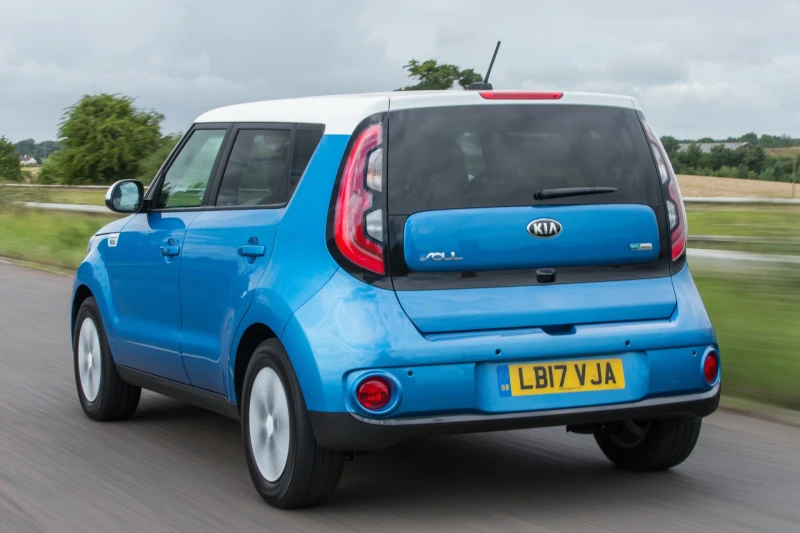
Overall, the Kia Soul II (PS) remains a practical choice on the used market when approached thoughtfully. Post-2017 facelift models (2017–2019) are preferable as they’ve addressed many early issues and are better suited to American conditions. The key is not to skimp on a professional pre-purchase inspection and proper ongoing maintenance. Done right, this model can provide reliable service without major unexpected costs.