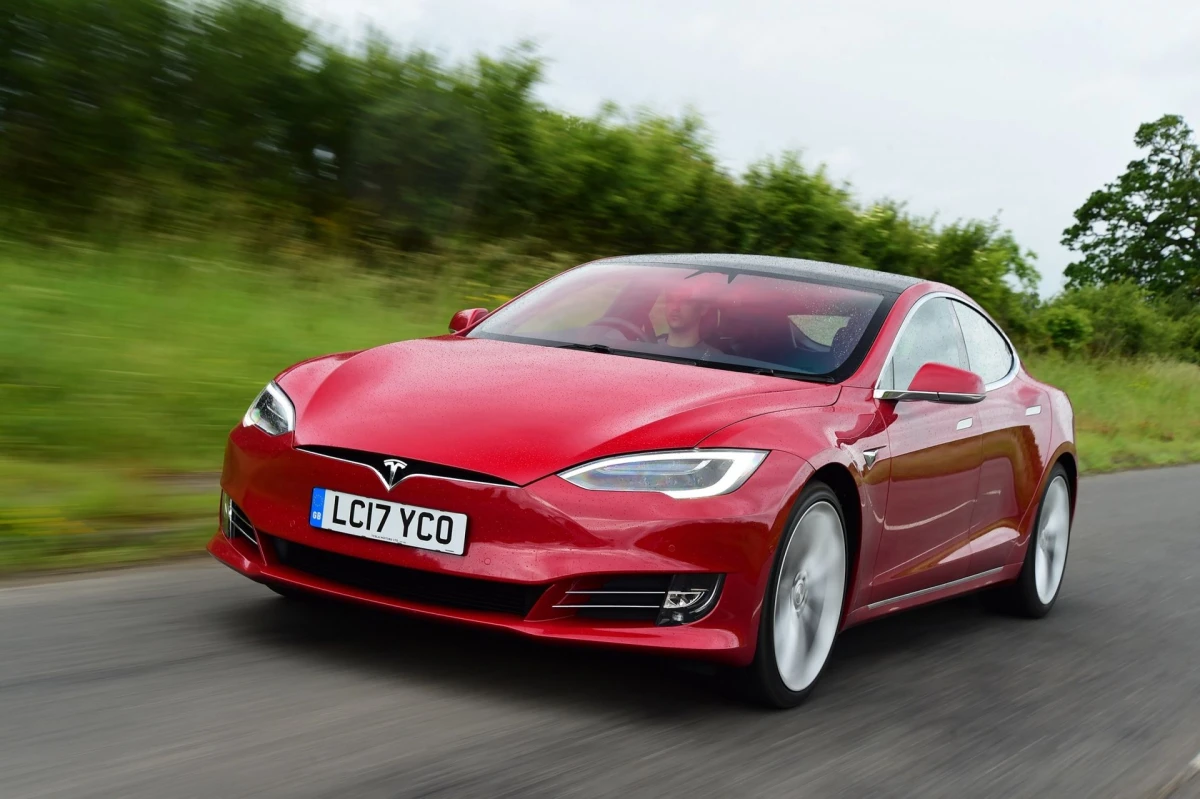



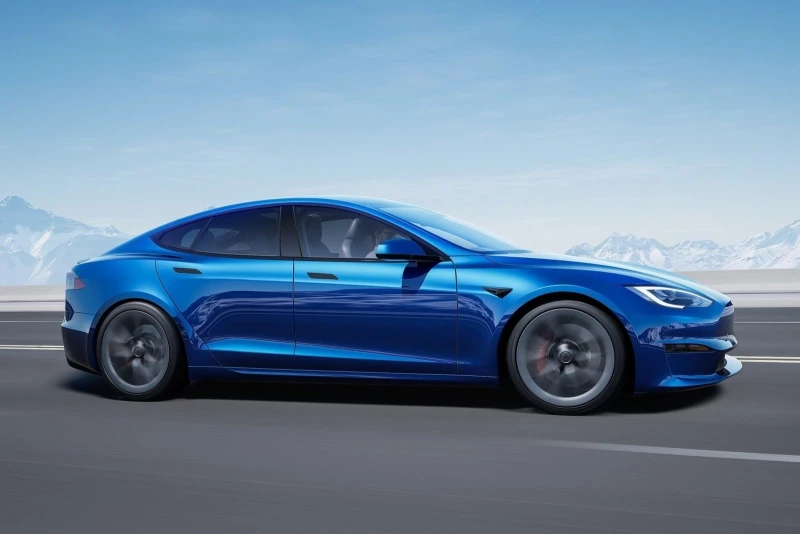
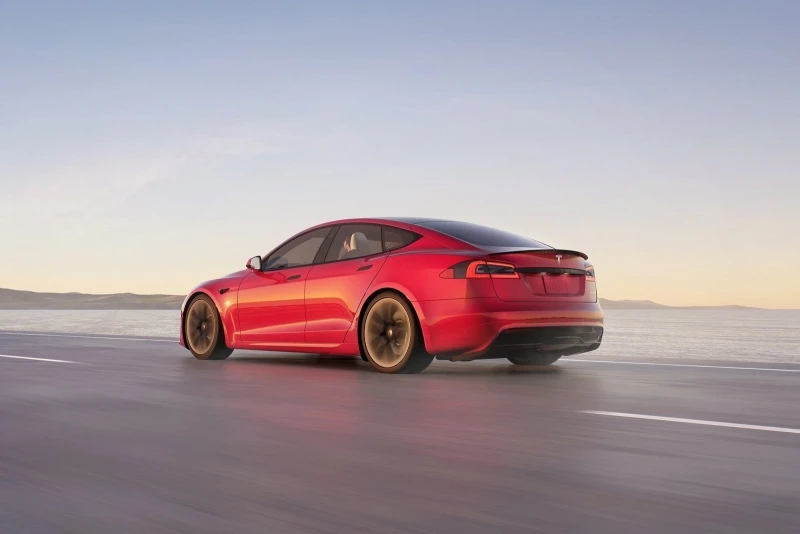
The Tesla Model S Plaid represents the current generation of Tesla's flagship electric sedan, available on US roads since 2021. Owners have highlighted several important characteristics and drawbacks related to living with this high-performance EV.
Key points frequently mentioned in owner reviews:
- Winter energy consumption and range: In cold conditions (temperatures below 14 °F) energy consumption can rise to 34–43 kWh/100 miles, leading to a 25–40% reduction in range compared to warmer months. The standard heat pump helps, but doesn't fully eliminate the impact of low temperatures.
- Noise insulation: Despite improvements like double-glazed glass and additional sound-deadening materials, at speeds over 62 mph and on coarse pavement, tire and road noise can become noticeable — though overall levels are significantly better than previous generations.
- Infotainment and navigation: The large 17-inch central touchscreen and 12.3-inch driver display are generally reliable, but the screen-only interface requires adaptation. Occasional lag or navigation hiccups have been reported, especially with poor connectivity or older software versions.
- Interior materials: Vegan leather and textured plastics are high quality, but light-colored cabins show dirt easily and can yellow over time. Glossy screen and console surfaces are fingerprint magnets.
- Service complexity: High-voltage system diagnosis and repairs require specialized tools and expertise. Tesla Service Centers are available nationwide, though wait times and access in remote areas can vary, leading some owners to specialized independent shops.
- Cost of major components: Battery packs, inverters, or the additional motor in Plaid models are expensive to replace out of warranty. Consumables like brake pads and tires are more reasonable, though OEM parts can involve lead times.
Model Years and Versions — What to Look Out For
This is the current generation. Notable points for early builds:
- 2021 models: Early examples had occasional software bugs (screen freezes, yoke steering issues), though not widespread. Some reports of suspension noises in very cold weather related to the new adaptive air suspension.
- 2022–2023 models: Over-the-air (OTA) updates significantly improved system stability and reduced complaints about the screens and yoke. Manufacturing refinements, including better sound insulation, enhanced overall quality. Plaid versions experience faster tire wear due to their immense power.
- 2024–2026 models: Continued OTA improvements for Autopilot and Full Self-Driving (FSD) performance, with the traditional steering wheel becoming available as an option. Battery degradation has not become a widespread issue so far.
Software updates and minor hardware tweaks have steadily improved reliability, especially in cold-weather performance and daily driving. Long Range AWD versions tend to be more practical for everyday use, while Plaid models are more demanding on tires and suspension.
The Used Market in the United States
The Tesla Model S Plaid occupies a premium niche, so availability on the used market is relatively limited. As of March 2026, major platforms such as Autotrader, Cars.com, and Tesla's official used inventory typically list a modest selection of 2021–2024 examples.
Market highlights:
- Body condition: High-quality galvanization means rust-through is rare, but the low ground clearance (4.6–6.4 inches) makes the underbody and bumpers vulnerable to scrapes on rough roads or steep driveways. Stone chips on the hood are common.
- Winter salt and corrosion: Road salt in northern states can speed up corrosion on exposed components, especially on vehicles previously in milder climates. Thorough inspection of wheel arches, sills, and underbody is recommended.
- Service history importance: Cars with complete records through the Tesla app or official Tesla Service are preferred. Missing history may conceal previous software or battery concerns.
- Original equipment and modifications: Verify that major components are original. Popular options include the yoke (or round wheel in later cars), white interior, and FSD capability.
- Mileage verification: Odometer rollback is extremely rare due to Tesla's systems, but always check battery health, charge cycles, and overall vehicle data via the app.
- Typical listings: 2022–2024 Plaid AWD models with 12,000–50,000 miles, with prices starting around $75,000.
What Can Be Fixed and Budgeting for a Solid Example
Most owner-reported issues are correctable:
- Additional sound deadening in the wheel wells and floor — significantly reduces road noise (costs vary by specialist shop).
- Software and infotainment updates — typically free via OTA or at a Service Center.
- Interior refresh (seats, trim) — can be done affordably through detailing or upholstery specialists.
- Suspension repairs (air suspension components) — routine maintenance items.
- Underbody corrosion protection — highly recommended for vehicles in salt-belt states.
- Routine service: 12-volt battery replacement every 3–5 years, regular tire replacements (especially frequent on Plaid models).
When buying a pre-owned Model S, plan for an inspection and a contingency budget for any immediate needs. For 2021–2022 examples this reserve may be slightly higher — generally a small percentage of the purchase price.
Final Thoughts and Recommendations
The Tesla Model S Plaid remains an excellent option for drivers wanting blistering performance paired with advanced technology. With proper maintenance it demonstrates solid reliability.
2023–2026 Plaid AWD models (with refined software and improved insulation) or Long Range AWD variants offer the best balance for most buyers.
Before purchase, be sure to verify:
- Battery health (State of Health, charge cycles, error codes)
- Functionality of screens and driver assistance systems
- Air suspension condition (leaks, noises)
- Body for chips and any corrosion
- Complete service history via Tesla account
For full specifications, technical details, and interior walkthroughs, check out the other articles in this series.