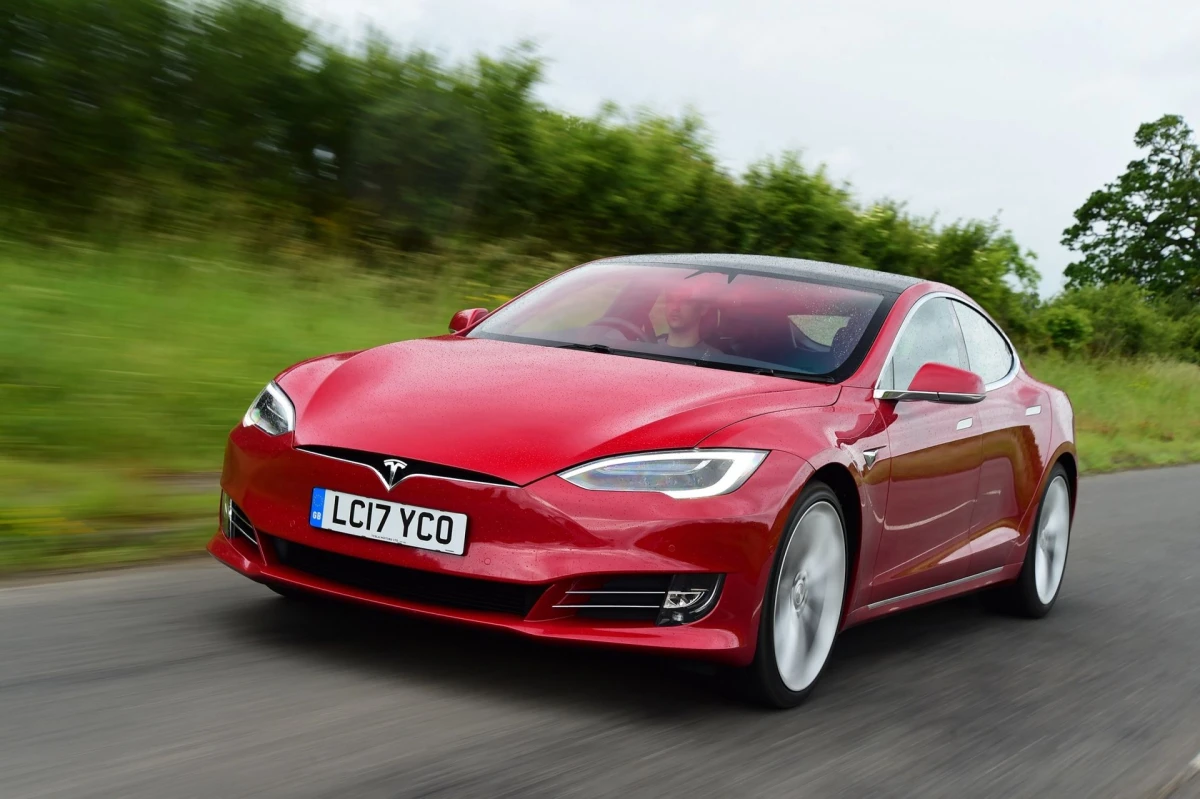




Vehicles from 2017–2019 with 50,000–93,000 miles are typically offered for $10,500–$16,500. Approximate market price for the United States, and many buyers see them as a sensible family option. For technical specifications, interior reviews, and other details on this generation, check out our other articles in the series. It’s important to understand how this model performs in real American driving conditions — with potholes, road salt in winter, varying fuel quality, and daily commuting.
How the 2018 facelift affected typical characteristics
Early 2015–2017 examples often come with more accumulated issues from the first years of production. After the 2018 facelift, many minor shortcomings were addressed: rear door corrosion protection was improved, electronics tuning optimized, and sound insulation slightly enhanced. On the used market, later 2018–2020 versions are generally better preserved and less likely to need major repairs right after purchase. However, the generation’s inherent design and operational traits in US conditions remain relevant across all model years.

Body and Paint in the Context of US Roads and Climate
The paint on the first-generation Creta is relatively thin, especially on the hood, front fenders, and lower door panels. On highways and city streets, stone chips start appearing after just 12,000–19,000 miles. In regions with harsh winters where road salt is heavily used, such as the Midwest and Northeast, this often leads to rust on rocker panels, wheel arches, and lower door edges. The rear liftgate is a notorious spot: paint can bubble or peel under the license plate area. Many owners address this with rustproofing and protective film, which requires some investment but significantly extends body life.
Suspension and Chassis on American Realities
The energy-absorbing suspension handles bumps well but wears out consumables quickly on rough roads. Stabilizer links, front control arm bushings, and tie rod ends are common items needing attention after 25,000–43,000 miles. The all-wheel-drive system with its coupling is generally reliable, but in winter conditions with salt and infrequent AWD use, the coupling may need servicing. On vehicles over 62,000 miles, wheel bearings and shock absorbers often require replacement. These jobs aren’t overly expensive but their frequency should be factored into ownership costs.
Engines, Fuel Economy, and Real-World Operation
The 1.6 MPI and 2.0 MPI gasoline engines are quite reliable overall, but real-world fuel consumption in the US is often higher than advertised. For the 1.6-liter version, owners report 21–26 MPG in city driving with traffic and warm-ups, and 28–34 MPG on the highway. The two-liter AWD model typically gets 19–23 MPG combined. Catalytic converters are sensitive to fuel quality: with lower-grade gasoline they can start failing after 50,000–75,000 miles, leading to higher consumption and risk of ceramic debris entering the cylinders. The timing chain and variable valve timing components need attention after 93,000 miles, but with proper maintenance these engines can last a long time.
The automatic transmission shifts smoothly and doesn’t have widespread issues if the fluid is changed on schedule. The manual is also reliable, though occasional shifting difficulties due to cables can occur.

Interior, Noise Insulation, and Infotainment in Daily Use
Sound insulation on the first-generation Creta is average: above 60 mph, road and tire noise enters the cabin, especially with aggressive-tread tires. Interior materials are practical, but on higher-mileage examples over 62,000 miles the seat fabric wears and hard plastics may develop minor squeaks in extreme heat or cold. The infotainment system in pre-facelift models can lag, while the updated version in 2018+ is noticeably more responsive. Rear visibility is limited by the high beltline, making the rearview camera in higher trims a very useful feature.
What to Consider When Buying and Fixable Issues
When inspecting a car on the US market, pay close attention to verified service history — preferably from a dealer or with records in the maintenance log. A proper pre-purchase inspection should cover the catalytic converter, suspension components, body for rust, and all-wheel-drive operation (if equipped). Vehicles with clean titles and one or two previous owners are usually in better shape than imports with questionable mileage.

Most of the noted characteristics are not deal-breakers and can be addressed. Rustproofing, suspension consumables replacement, and engine maintenance fit within reasonable budgets depending on the specific car’s condition. Minor oil consumption on the 2.0 MPI or slight plastic trim noises are normal for a vehicle of this age and help gauge actual mileage and care.
Overall, the Hyundai Creta I (QS) remains a practical used choice on the American market when approached thoughtfully. Later facelifted 2018–2020 models are preferable as they’ve outgrown many early issues and are better suited to our conditions. The key is not to skimp on a thorough pre-purchase inspection and ongoing maintenance. Done right, this model will provide reliable service, avoid surprise expenses, and deliver acceptable comfort for daily driving.