


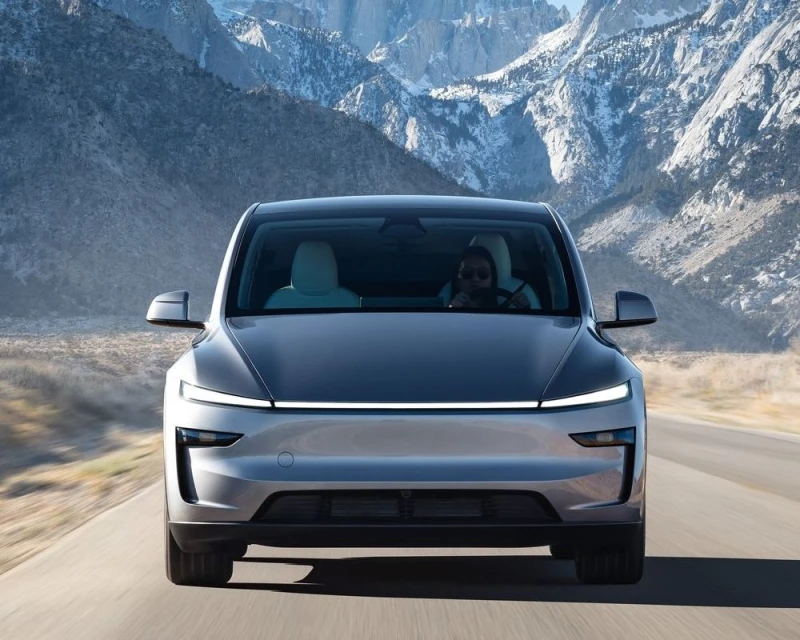
The Tesla Model Y II (Juniper) is the latest generation of this popular electric crossover, recently introduced to the market. Owners have noted several real-world characteristics and drawbacks during daily use.
Here are the main points that come up most often in owner reports:
- Winter energy consumption and range: In cold conditions (temperatures below 14°F), energy use can rise to 30–39 kWh per 100 miles, typically reducing range by 20–35% compared with summer figures. The standard heat pump helps, but it does not fully offset the impact of low temperatures.
- Noise insulation: Despite acoustic glass all around, tire and wheel-arch noise becomes noticeable above 62 mph and on coarse pavement. Overall cabin quietness is improved over the previous generation.
- Infotainment and navigation: The 15.4-inch central touchscreen and 8-inch rear display work reliably in most situations, but operating nearly every function through the screen takes some adjustment. Occasional response lag or navigation glitches can occur, especially with weak cellular signal.
- Material quality: Vegan leather and textured plastics feel premium, yet white interiors stain easily and can yellow over time. Glossy screen and console surfaces collect fingerprints quickly.
- Service complexity: High-voltage diagnostics and repairs require specialized equipment. Tesla’s service network is extensive across the country with many centers and widespread mobile service, though complex jobs may still involve scheduling lead times.
- Cost of major components: Battery, inverter, or ICCU replacements are expensive outside warranty. Routine items such as brake pads and tires are reasonably priced, though some genuine parts can have variable ordering times.
Model years and versions — what to watch for
This generation is still relatively new with a short production history so far. Early examples show these patterns:
- 2025 models: Early production (late 2025 – early 2026) had occasional software issues such as screen freezes or wireless charging glitches, though these were not widespread. Some owners reported minor suspension noises in very cold weather while the new dampers bedded in.
- 2026 models: Successive OTA updates improved system stability and reduced screen or charging complaints. Production refinements, including better acoustic materials, increased overall refinement. Performance versions keep a firmer suspension that can transmit more harshness on rough roads.
Battery degradation is still uncommon, typically in the 1–4% range after 12,000–31,000 miles. Software updates and minor component changes have improved winter performance and long-term durability.
The used market for Tesla Model Y Juniper
Used examples are widely available through major platforms, Tesla’s own inventory, and dealer networks. Volumes are substantial as early 2025 models enter the secondary market through lease returns and trade-ins.
Key points for buyers:
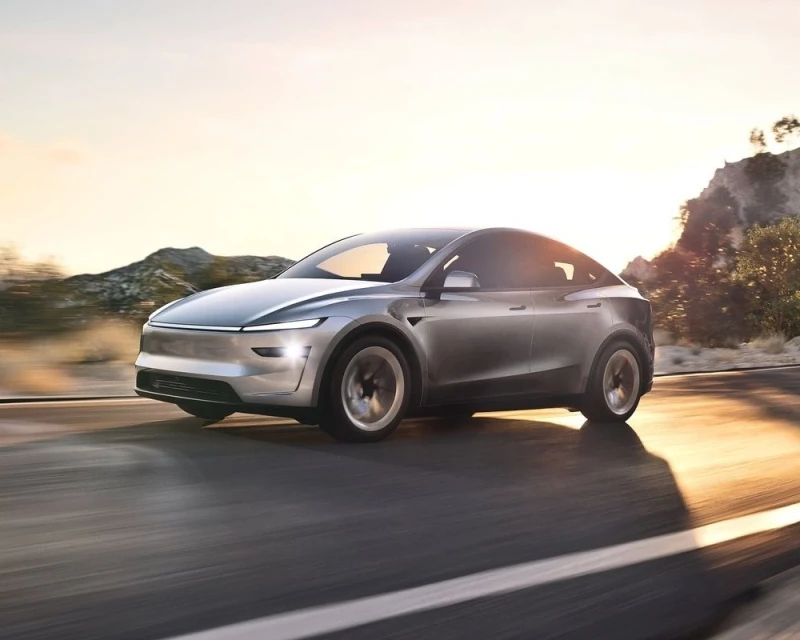
- Body condition: High-quality galvanization means through-rust is rare. However, the modest 6.6–6.7 inches of ground clearance leaves the underbody and bumpers vulnerable to scrapes on rough roads or steep approaches. Hood paint chips from road debris are common.
- Road salt and corrosion: In regions that use heavy winter road salt, underbody corrosion can develop faster on any unprotected areas. Extra attention to wheel arches, rocker panels, and the floor is recommended, especially on vehicles that previously lived in milder climates. Professional undercoating is a popular preventive step.
- Service history: Complete records through the Tesla app or prior service visits are preferred. Gaps in documentation can hide earlier software or high-voltage issues.
- Original parts and equipment: Check for non-genuine components from previous repairs. Common desirable options include white interiors, ventilated seats, and Full Self-Driving capability.
- Mileage verification: Tesla’s systems make odometer tampering very difficult, but always cross-check total miles against battery charge cycles and State of Health data in the app or via professional inspection.
- Typical market offerings: Clean 2025 Long Range AWD examples with 2,000–15,000 miles commonly list between $40,000 and $48,000. Estimated market prices for well-maintained, low-mileage examples generally start around $42,000, depending on condition, options, and location.
What can be improved and realistic budget
Most commonly reported characteristics can be addressed:
- Adding sound-deadening material to wheel arches and floor — reduces road noise (cost varies by shop and materials).
- Infotainment and software updates — free via OTA or during a service visit.
- Refreshing worn interior components (seats, trim pieces) — possible at specialist shops for moderate cost.
- Suspension work or damper refinements — standard service items with good parts availability.
- Undercarriage corrosion protection — strongly recommended in areas that use winter road salt.
- Routine maintenance: 12-volt auxiliary battery replacement every 3–5 years and cabin air filter changes.
When buying a used Model Y, plan for a modest contingency budget for inspection, minor repairs, and preventive work. Early 2025 examples may need a slightly larger reserve — typically just a few percent of the vehicle’s value.
Conclusions and recommendations
The Tesla Model Y II (Juniper) is worth considering if you want a modern electric crossover with strong technology and everyday usability. With proper maintenance it shows good long-term reliability.
Preferred choices are Long Range AWD models from 2026 (refined software and quieter cabin) and RWD LFP versions (excellent battery longevity).
Before buying, check:
- Battery health (SoH, charge cycles, active alerts)
- Full operation of the touchscreen and all driver assistance systems
- Suspension condition — listen for unusual noises or wear
- Body condition for paint chips and underbody corrosion
- Complete service history through the Tesla account
For full specifications, interior details, and driving impressions of the generation, see the other articles in this series.