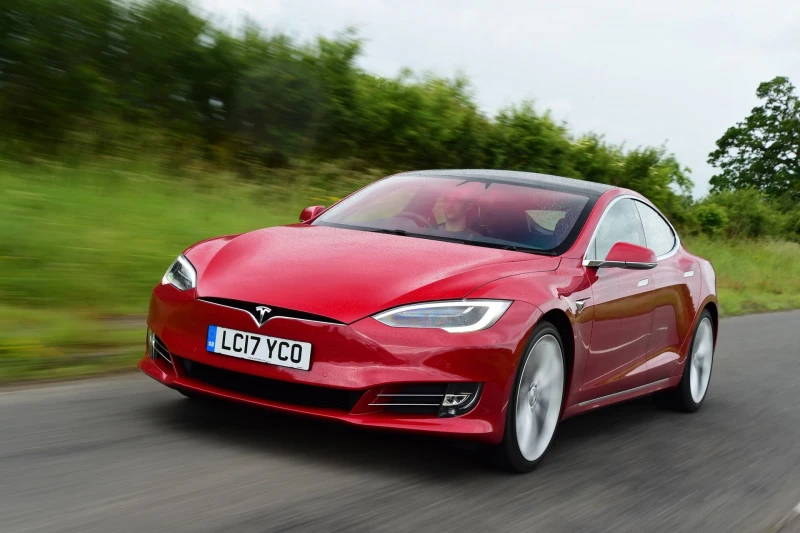
The Tesla Model S second generation (Palladium) was one of the first mainstream premium EVs to gain a strong foothold on the used market, and by 2017 examples were appearing in significant numbers across the country. Owners have noted a range of quirks and weaknesses that surface over time with this model.
The most frequently mentioned ownership concerns include:
- Winter energy consumption and range loss: In cold weather — temperatures below 14°F (-10°C) — energy consumption can climb to roughly 83–92 Wh/mile, cutting real-world range by approximately 25–40% compared to summer figures. Most variants lack a heat pump, which amplifies the effect considerably.
- Road and tire noise: On 2016–2019 models, elevated tire and wheel-arch noise becomes noticeable above 60 mph, particularly on coarse pavement or highway expansion joints. Post-2019 cars with double-pane glass improved the situation meaningfully, though some wind and tire noise can persist.
- Infotainment and navigation: The large 17-inch portrait-orientation touchscreen is generally stable, but routing all vehicle functions through a single screen has a learning curve. Early units occasionally exhibit UI lag, and the navigation can behave unexpectedly after map updates or during route recalculations.
- Interior material quality: The synthetic vegan leather is reasonably durable, but light-colored interiors show soiling quickly and may develop a yellowish tint over time. Hard plastic trim in the lower cabin sections looks noticeably budget for the price point, especially on pre-2019 cars.
- Servicing complexity: High-voltage component diagnostics and repairs require specialized equipment and trained technicians. The Tesla service network continues to expand, but in rural areas and smaller markets, access remains limited compared to major metro centers like Los Angeles, Chicago, or New York.
- Replacement parts and component costs: The battery pack, inverter, and ICCU module carry high replacement costs once the vehicle is out of warranty. Consumables like brake pads and tires are moderately priced, but genuine Tesla parts often require lead time to source.
Model Years — What to Know About Each
This generation is no longer in production. Here's what differentiates the key model years:
- 2016–2018: Early production runs are considered the most problematic — inconsistent panel gaps, paint quality issues (chips and surface defects), and software instability in HW2.0/HW2.5 causing false Autopilot interventions. These years also have the weakest sound insulation and no heat pump.
- 2019–2020: A mid-cycle refresh brought double-pane windows, improved noise isolation, and a redesigned center console. Paint and fit issues became less common, though isolated reports of phantom braking (unintended emergency brake activation) continued.
- 2021: The final and most refined model year, with HW3 hardware, Ludicrous mode on Performance variants, and noticeable improvements to software stability and cold-weather behavior. Fewest ownership complaints across the board.
Earlier examples require more thorough battery and electronics inspection before purchase, while later variants are generally more reliable — though priced accordingly on the used market.
The Used Market in the United States
The Tesla Model S Palladium has a healthy presence on the U.S. used market. As of early 2026, listings on platforms like CarGurus, AutoTrader, and Cars.com typically show several hundred active offers, with the majority being 2018–2021 cars sourced domestically or imported from Europe.
Key market characteristics:
- Body condition: Corrosion resistance is generally good, and through-rust is uncommon. However, paint chips on the hood and rocker panels are frequently seen on cars used on rougher roads. The relatively low ground clearance (4.6–6.4 inches depending on air suspension setting) can result in undercarriage scrapes.
- Salt and corrosion exposure: Cars previously registered in winter states (Midwest, Northeast) may show accelerated corrosion on unprotected underbody components. It's worth inspecting wheel arches and the floor pan carefully on any car with significant winter-state history.
- Service history: Prioritize cars with a documented service history through the Tesla app account or verifiable U.S./European service records. Missing history can conceal significant underlying issues.
- Originality and trim verification: Confirm that no non-OEM components have been installed post-repair. Common options on U.S.-market examples include white interiors, air suspension, and Autopilot or Full Self-Driving packages.
- Odometer verification: Mileage tampering is relatively uncommon given Tesla's digital ecosystem, but it's still worth cross-referencing charge cycle count and battery state of health (SoH) during pre-purchase inspection.
- Import and connector considerations: Some listings involve European-market vehicles adapted for the U.S., or vice versa. Pay attention to charging connector compatibility — NACS is now standard, but some older European imports may require CCS adapters.
- Typical listings: Long Range AWD examples from 2019–2021 with 50,000–110,000 miles are the most common. Estimated market price range: approximately $32,000–$52,000 USD, depending on mileage, trim, and FSD status. (Approximate market pricing for the United States.)
What Can Be Fixed — and What to Budget For
Many of the issues described above can be addressed without breaking the bank:
- Supplemental sound deadening on wheel arches, doors, and floor — makes a noticeable difference at highway speeds (mid-range labor cost at a reputable detailer or audio shop).
- Software and infotainment updates — typically free over-the-air or low-cost at a Tesla service center.
- Interior trim replacement (seats, plastic panels) — available through Tesla or specialist upholstery shops.
- Suspension work — standard cost for this vehicle class; parts are generally accessible through Tesla and third-party suppliers.
- Underbody corrosion protection — recommended as a post-purchase step for cars with winter-state history.
- Routine maintenance: 12V battery replacement (every 3–5 years) and tire rotations/replacements.
When budgeting for a used Model S, it's sensible to set aside a contingency fund on top of the purchase price — covering noise insulation improvements, minor suspension refresh, interior detailing, and any first-year ownership items. That buffer is typically smaller for 2020–2021 cars in clean condition.
Final Thoughts and Recommendations
The Tesla Model S II (Palladium) remains a compelling used-car purchase in 2026, provided you inspect carefully and target the later model years. It's particularly well-suited to buyers who prioritize long range and premium EV technology at a relatively accessible price point.
The 2016–2018 cars demand closer scrutiny due to build quality concerns. The sweet spot for most buyers is a Long Range AWD or Performance from 2019–2021 — better sound insulation, less battery degradation, and more refined software.
During inspection and test drive, pay close attention to:
- Battery health (SoH, charge cycle count, absence of fault codes)
- Autopilot/FSD system status (camera and radar calibration)
- Suspension condition (clunks, worn bushings)
- Paint quality and panel gap consistency
- Cabin noise levels and any interior rattles or squeaks
For a full generation overview, detailed specs, and interior walk-through, see the other articles in this series at automotive24.center.