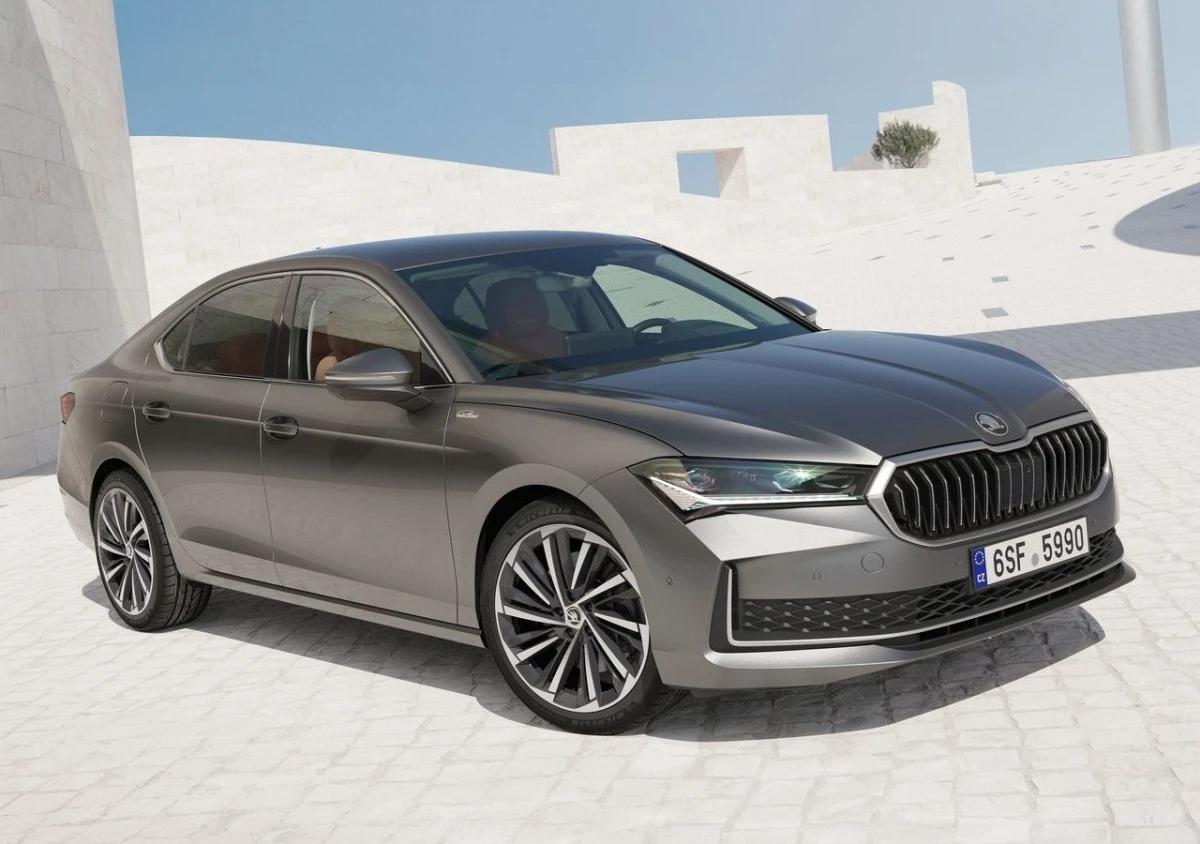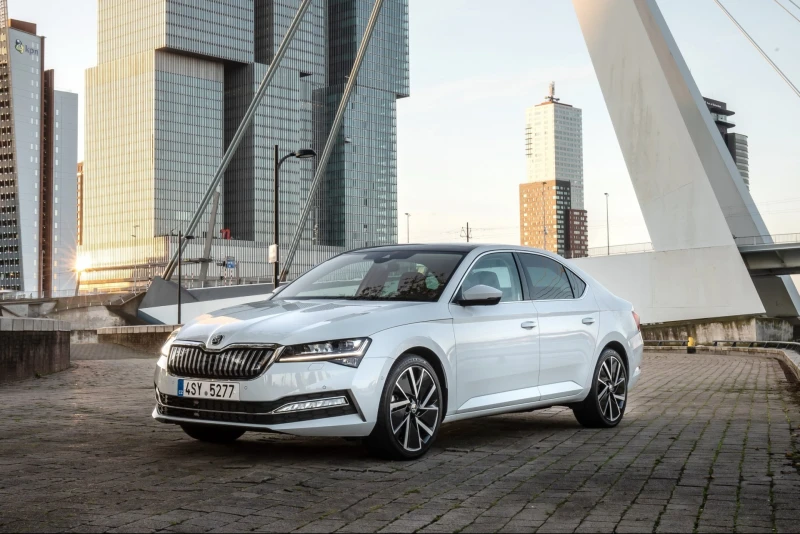
The MQB platform and nearly nine years of production (2015–2023) created an enormous spread in age, mileage, and origin for these vehicles. The same 3V index in used listings can hide either a well-cared-for pre-facelift example imported from Europe with a transparent history, or a recently imported car with a checkered past from an insurance auction or salvage title. It could also be a Superb that spent years in taxi or fleet service abroad before arriving on the US market. That’s precisely why any discussion of the Skoda Superb III’s shortcomings should focus on the specific car rather than the model as a whole.
The Market Sets the Stage
The US used market for the Superb III is composed primarily of European imports — most often diesel 2.0 TDI and gasoline 1.4 TSI / 1.8 TSI models, frequently equipped with long-distance options and showing well over 124,000 miles. There are also examples with US or North American history, though official Skoda presence in the States was limited; these are typically personal imports or vehicles that circled back through various channels. For any car with American title records, scrutinize the Carfax report closely: a “minor damage” flag can in reality indicate major body repairs or even undeclared airbag replacements.
America’s roads and climate add their own variables. The Superb’s factory galvanization holds up well, so rust in typical locations — wheel arches, rockers, or the lower edges of the doors — remains uncommon on 2015–2017 models unless the car has undergone substandard collision repair. That said, US roads accelerate wear on the suspension: knocks develop, struts begin to leak, and the bushings in the rear multi-link setup along with steering tie rods wear out. This is largely a mileage- and road-quality issue rather than an inherent design flaw, yet it almost always warrants close attention during a pre-purchase inspection.
Origin and Mileage
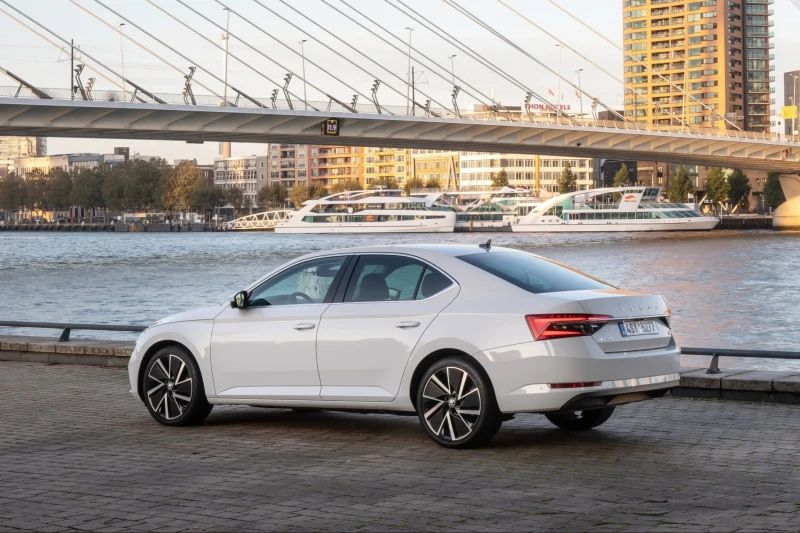
Superb IIIs on the used market frequently originated in European corporate fleets or taxi operations, especially the practical Combi wagons. Consequently, the mileage advertised in many listings can be optimistic, and actual condition is better judged by wear patterns on the steering wheel, pedals, connectivity ports, seats, and the door card plastics. A 62,000–93,000 mile gap between true and indicated mileage on 2015–2018 cars is entirely typical. In these situations, service history matters far more than the odometer reading — a complete absence of records should trigger a more thorough inspection.
Engines and Transmissions: The Critical Divide
The fundamental technical distinction within this generation lies in the powertrains, and that choice heavily influences the day-to-day ownership experience.
The 1.4 TSI (CZDA, later CZEA with cylinder deactivation) is the most widespread. By 93,000–124,000 miles these engines can exhibit oil consumption, timing chain stretch on earlier versions, and problems with the thermostat and cooling fan module. The engine is generally regarded as robust provided it receives regular diagnostics and quality fuel and oil. The 1.8 TSI and 2.0 TSI variants work harder and in mixed US driving conditions (short trips, stop-and-go traffic) often display higher oil usage. The 2.0 TDI (EA288) diesel is viewed as the most predictable for longevity, yet it is highly sensitive to fuel quality, injector health, and the EGR/DPF system. City-heavy use means periodic cleaning costs and eventual exhaust component replacements.
As for transmissions, there is no conventional automatic — only DSG units. The six-speed DQ250 (paired with diesels and higher-output gasoline models) is the tougher of the two but requires disciplined fluid changes — ideally every 30,000–40,000 miles rather than stretching factory intervals. The seven-speed DQ200 with dry clutches, fitted to 1.4 TSI cars, tends to reveal itself in urban driving through jerky shifts, premature clutch wear, and mechatronics faults. It isn’t a deal-breaker, but potential repair expenses should be budgeted before committing to purchase.
2019 Facelift
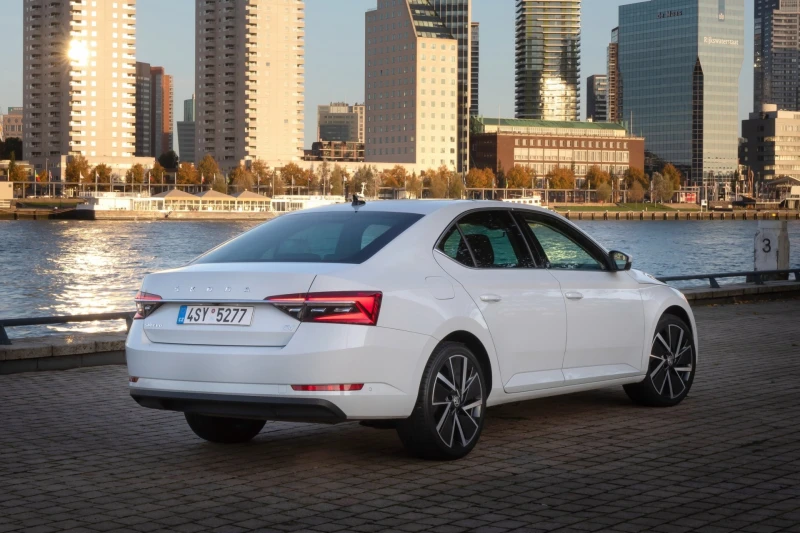
The 2019 refresh delivered more than cosmetic updates. The Superb gained a more contemporary infotainment setup with screens up to 9.2 inches, the Virtual Cockpit digital cluster on top trims, improved driver assistance systems, and late in the run the iV plug-in hybrid. While the facelift refined the electronics, it also increased reliance on digital modules: repairs to these components cost more, and infotainment bugs — random reboots, lost settings — remain a frequent owner grievance across both pre- and post-facelift cars.
Everyday Ownership Realities
When evaluating real-world issues with 2015–2023 Superbs from a daily usability standpoint rather than isolated defects, the situation is quite pragmatic.
Real-world city fuel economy for the 1.4 TSI typically lands between 24 and 28 mpg instead of the optimistic factory claims — an important consideration for ownership budgeting. The 2.0 TDI is thriftier on paper, but short cold-start trips erode that advantage and accelerate DPF clogging. The 2.0 TSI in mixed cycles rarely returns better than 21–23 mpg.
Early infotainment systems (Bolero and first-generation Columbus) don’t always play nicely with modern smartphones: CarPlay can freeze, Bluetooth connections drop intermittently, and cold-weather boot times are noticeably longer. Facelifted cars improved matters, yet complaints about spontaneous reboots and lost preferences persist.
Noise insulation remains a traditional strength in the premium C/D-segment, although wheel-arch sound deadening draws criticism. As mileage accumulates and owners switch to budget tires, road rumble in the rear cabin becomes more apparent. Many therefore add supplementary insulation to the arches and trunk — one of the few modifications that genuinely elevates the car’s refinement on long interstate runs.
Interior materials hold up well for the class, but the softer door plastics and steering wheel rim on high-mileage diesels (around 186,000 miles) often require spot restoration. Power door closers, the electric tailgate, and parking sensors are items that on seven-to-nine-year-old examples should always be verified during a test drive.
Ownership Costs and Typical Repairs
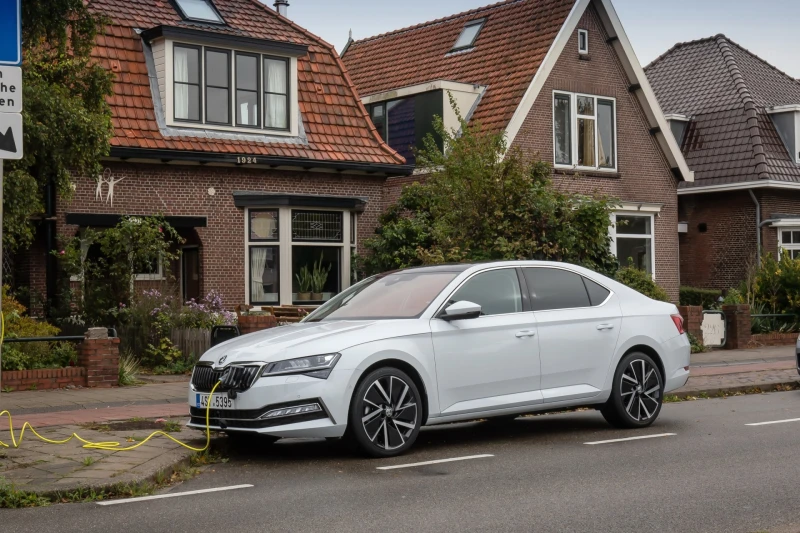
Maintenance deserves separate attention. As a VW Group product the Superb III offers both advantages and drawbacks. Parts are plentiful and the aftermarket is strong, yet certain assemblies — DSG mechatronics, electronic control modules, adaptive lighting units, and adaptive suspension components — carry premium prices whether bought OEM or as quality alternatives.
Some issues belong to the “manageable expense” group: wheel bearing swaps, outer tie rods, stabilizer links, interior trim repairs, or infotainment reflashing. Others are scheduled maintenance items: timing chain service on the 1.4 TSI, DSG clutch and fluid replacement, exhaust work on diesels. Then there are the higher-stakes repairs whose costs can escalate quickly depending on condition: mechatronics overhaul, turbocharger work, injector replacement, or body correction after hidden accident damage. Final repair bills vary significantly by location and chosen specialist — a normal reality for a European import in the American market.
Pre-Purchase Checklist
In real terms, purchasing a used Skoda Superb III comes down to a handful of priorities that outweigh any generic problem list. Chief among them: verifying the vehicle’s origin, title history, and service records (Carfax is essential), assessing the true state of the powertrain through diagnostics, borescope inspection of the combustion chambers, and oil analysis when indicated; evaluating transmission behavior via thorough road testing at varying speeds and loads; checking body geometry and evidence of prior repairs; and confirming DSG and timing chain service history. The 2018–2020 model years generally represent the best balance of updates, equipment, and retained value. Earlier 2015–2016 cars may tempt with lower prices but require significantly more due diligence.
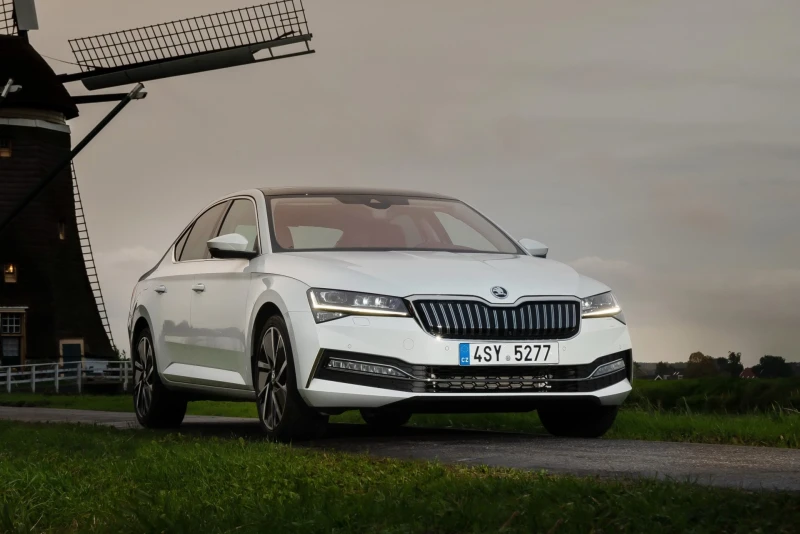
Overall, the Superb III continues to rank among the most sensible choices in its segment: a roomy cabin, generous equipment levels, relaxed highway manners, and brisk enough performance. Its shortcomings tend to be foreseeable and model-typical rather than shocking. On the used market the decisive factors are not the fundamental engineering but the individual car, its mileage, and its maintenance pedigree. Approach the search methodically and with clear eyes, and post-purchase regret is usually avoided.
For a deeper look at the model generation, full technical specifications, and interior details, explore the other articles in this series.