


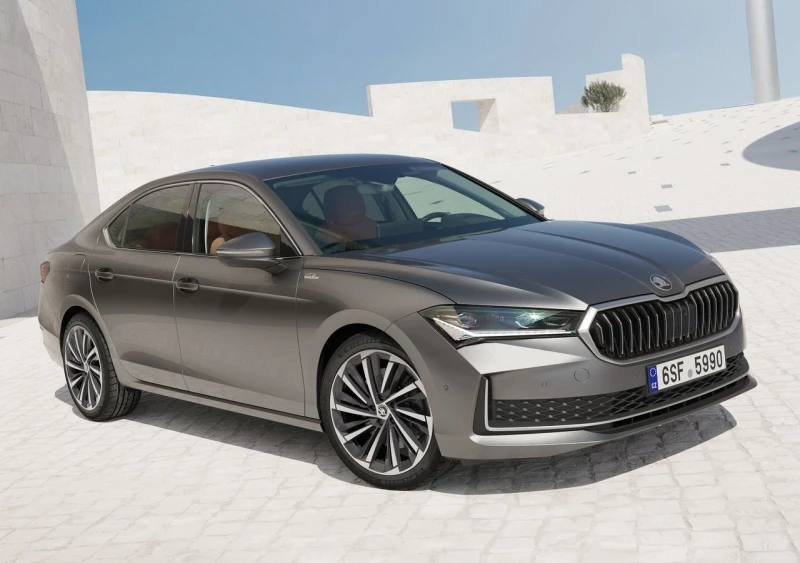
Some buyers hunt for low-mileage 2024–2025 examples through authorized dealers or specialist importers, while others look at European-sourced or privately imported cars. Either way, it’s important to understand the real quirks owners are already experiencing. For a full overview of the generation, technical specifications and interior, check out the other articles in our series — here we focus specifically on the points that show up during everyday driving on US roads and in typical American climate conditions.
Market Realities: What’s Available and What to Watch for When Choosing
Most Superb IV examples available through dealers, platforms like Autotrader and Cars.com, or specialist importers are 2023–2025 models with 20,000–30,000 miles on the odometer. Many have one or two previous owners from Europe with clear service records. That said, some examples have murky histories where the odometer may not reflect reality. This matters because our wide range of climates — from harsh winters with heavy road salt use in northern and midwestern states to hot summers elsewhere — can bring minor body or electronics issues to the surface faster.
Early 2023 and early 2024 cars often needed a service visit shortly after purchase, mostly for software updates. By 2025 the factory had ironed out many of the early issues, so later examples generally feel more sorted. When shopping, prioritize vehicles with full documented service history and any remaining factory warranty coverage.
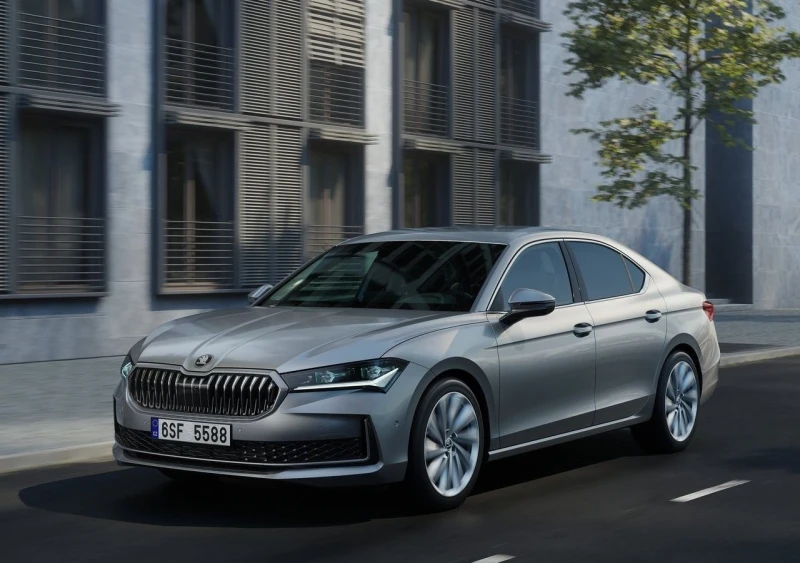
Electronics and Infotainment: Typical Everyday Experiences
One of the first things Superb IV owners notice is how the head unit and its connected systems behave. Reports commonly mention occasional interface freezes, unexpected reboots while driving and user profiles that reset with every ignition cycle. The virtual cockpit’s navigation can act up intermittently, and the smartphone companion app sometimes fails to connect reliably. None of this prevents the car from being driven, but it can get frustrating on longer journeys.
The majority of these issues are fixed with a dealer software update or an over-the-air refresh. In parts of the country with weaker cellular coverage, however, waiting for updates can take time. Adaptive cruise control and lane-keeping systems may also require recalibration after certain service procedures. These teething problems were more common on the earliest cars and have become less frequent since 2024.
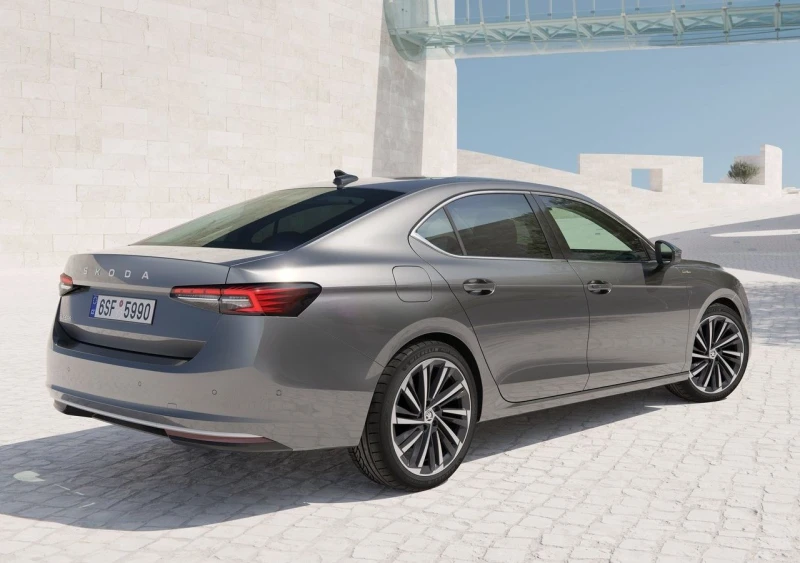
Chassis and How It Behaves on US Roads
The extended MQB Evo platform made the Superb IV noticeably more comfortable than the previous generation, yet on real American roads — smooth interstate highways mixed with patched city streets, expansion joints and winter potholes — certain characteristics become apparent. The adaptive DCC suspension can sometimes produce knocks or muffled thuds when crossing small imperfections. This is most obvious at low speeds and in cold temperatures. It doesn’t compromise safety, but it’s something to listen for on a thorough test drive across different surfaces.
The standard suspension (without DCC) feels more composed in this respect, although it sacrifices some of the plushness on glass-smooth pavement. All-wheel drive adds security in snow and ice, but the extra weight has a small impact on fuel economy. Overall the chassis holds up well to US conditions, but once mileage climbs past 30,000–40,000 miles on poorer roads, bushings and dampers may need attention earlier than expected — a common trait among heavier D-segment vehicles.
Powertrains and Real-World Fuel Economy: Owner Reports
The 2.0 TSI gasoline and 2.0 TDI diesel engines deliver the solid reliability the group is known for, but real-world economy in American driving conditions is typically 3–5 MPG lower than the official figures. In winter city driving the 2.0 TDI often returns 28–32 MPG, while a driven-hard 2.0 TSI can drop into the low-to-mid 20s. These aren’t defects — they’re the natural result of cold-weather operation, varying fuel quality and individual driving styles.
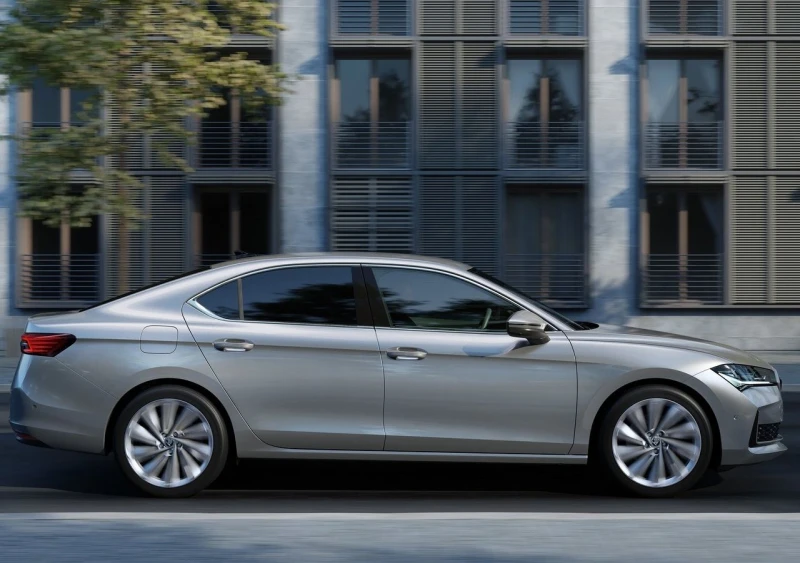
The PHEV iV tells a different story. The plug-in hybrid with its 25.7 kWh battery is officially rated for more than 60 miles of electric-only range, yet in real US winter conditions that figure often falls to 30–45 miles, sometimes less. When regular charging is possible, gasoline consumption stays extremely low. Without access to a charger the car essentially becomes a heavier conventional hybrid — roughly 4,100–4,300 lbs in Combi guise — which hurts both acceleration and highway fuel economy. So far there haven’t been widespread high-voltage battery problems, but the eight-year warranty demands careful adherence to the prescribed operating conditions.
The DSG dual-clutch transmission in this generation shifts more smoothly than early examples of the prior model, yet under aggressive acceleration or in heavy stop-and-go traffic it can still show slight hesitation or abrupt shifts at low speeds. Changing the fluid every 40,000 miles remains the best way to protect its longevity.
Minor Ownership Quirks and Running Costs
Cabin materials are generally high-grade, but some owners mention that the fabric trim on the pillars collects dust quickly and that certain plastic components start to squeak as the car ages. Sound insulation is effective at steady highway speeds, but coarse road surfaces or strong crosswinds let more tire and wind noise into the cabin than expected from a top-tier model.
Dealer service costs more than on the previous generation because of the added electronics and new hardware. Parts for the earliest cars can occasionally have longer lead times, although the broader VW Group support network helps. Items owners can often handle affordably themselves include software updates, thorough underbody rustproofing (especially valuable in salt-belt states), and extra sound-deadening in the wheel arches if desired. Most interior squeaks disappear after simple lubrication or adjustment.
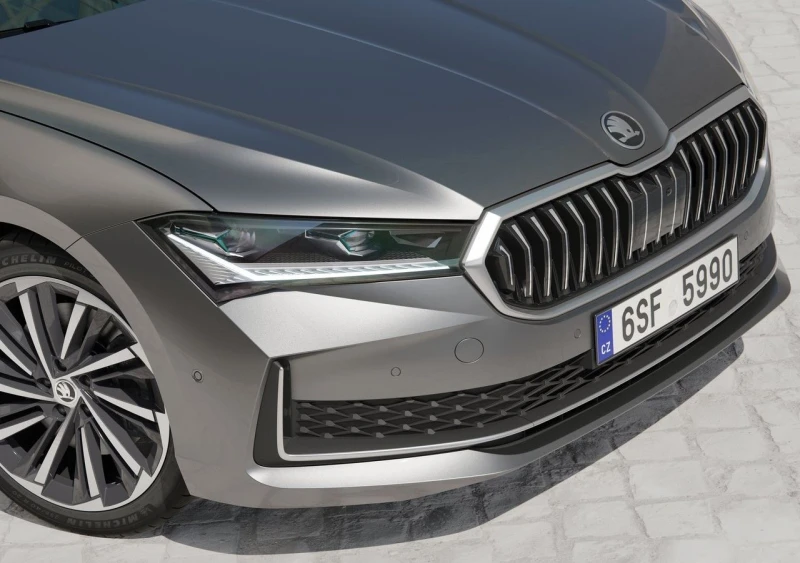
What to Inspect Before Buying and Whether the Superb IV Makes Sense
During any pre-purchase inspection of a Superb IV, insist on a full electronic system scan, verification of all software updates and a test drive that includes highways, city streets and, if possible, rougher surfaces. PHEV buyers should also have the high-voltage battery health checked and confirm real-world electric range. It’s wise to look up any open recalls by VIN. Post-purchase work usually stays within reasonable bounds — from diagnostics to a comprehensive service.
In summary, the Skoda Superb IV generation doesn’t suffer from any fundamental design flaws that would make it a risky proposition. Most of the observations here are simply new-technology characteristics revealing themselves in daily use and are frequently addressed under warranty or during normal maintenance. For drivers who want a roomy, comfortable and well-equipped car and who understand the realities of US roads and weather, the Superb IV remains one of the stronger choices in its segment. The most important thing is to buy with eyes wide open — focus on service history and take the time for a proper evaluation drive.