
In the United States, 2011–2013 examples with approximately 55,000–100,000 miles commonly sell for about $5,500–$10,500, depending on trim level, location, title status and maintenance history. Estimated market price for the United States: $5,500–$10,500. Many shoppers still consider the Soul a practical urban runabout with useful cargo space and a relatively small footprint. Separate articles in this series cover the generation overview, specifications and interior. Before buying, however, it is important to understand how the model holds up under American conditions, including road salt in northern states, long interstate trips, stop-and-go traffic and inconsistent maintenance histories.
Body and paint durability in different climates
The first-generation Soul has relatively thin paint, particularly on the hood, front fenders, rocker panels and lower sections of the doors. Rock chips can become noticeable after only 12,000–25,000 miles of highway driving. In the Northeast and Midwest, where road salt is heavily used during winter, damaged paint may develop into surface rust around the wheel arches, rocker panels and lower door seams. The rear wheel arches and areas beneath the rocker-panel covers deserve especially close inspection once mileage approaches 45,000–60,000 miles. Many owners add rustproofing or paint-protection film, which can help preserve the body but increases the cost of preparing a recently purchased vehicle.
Engines and real-world fuel economy
The 1.6-liter and 2.0-liter gasoline engines are generally durable when maintained correctly, although real-world fuel economy may fall short of EPA estimates in heavy traffic. The 1.6-liter version typically returns about 23–29 mpg in city driving and 29–36 mpg on the highway. The 2.0-liter engine usually delivers approximately 21–26 mpg in mixed driving. Both engines are designed to run on regular 87-AKI unleaded gasoline, preferably from a reputable station. Frequent short trips and neglected maintenance can contribute to deposits in the throttle body, injectors and combustion chambers, gradually affecting throttle response and performance. The conventional automatic transmission generally shifts smoothly, but regular fluid service is important. Cars with old or degraded transmission fluid may hesitate or shift harshly.
Suspension and chassis wear on rough roads
The suspension absorbs potholes reasonably well, but worn pavement and repeated impacts can shorten the life of several components. Stabilizer-bar links, front control-arm bushings and outer tie-rod ends may require replacement after roughly 25,000–45,000 miles, particularly on cars driven frequently over damaged city streets. Above 60,000 miles, some vehicles also need new shocks, struts or wheel bearings. None of these repairs is unusually expensive for the class, but several worn components at once can significantly increase the initial ownership budget.
Interior quality, road noise and infotainment
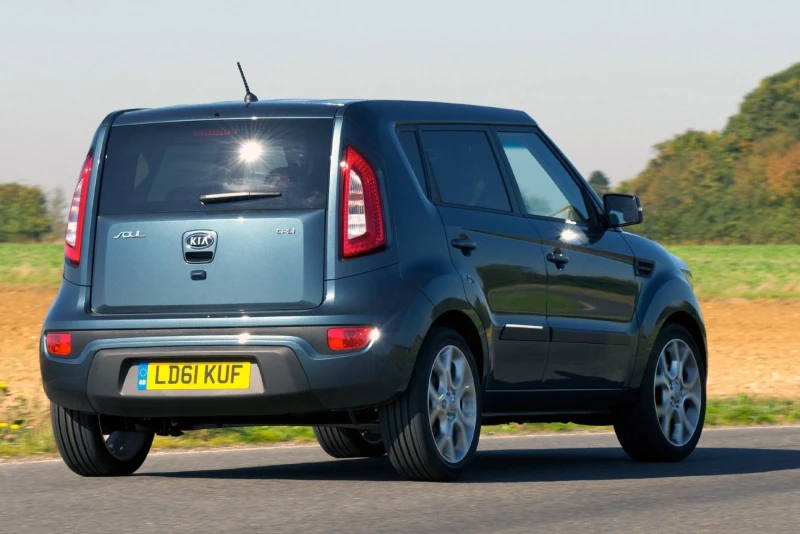
Cabin insulation is average for an economy vehicle of this period. At speeds above 60 mph, noticeable tire and wheel-well noise enters the cabin, especially with aggressive all-season or winter tires. Interior materials are practical, but seat fabric may show wear after 50,000–60,000 miles, while the hard plastic panels can develop minor squeaks during freezing winters or very hot summers. Infotainment systems in earlier 2010–2011 vehicles can respond slowly or experience occasional glitches, while later versions are generally more stable. Rear visibility is restricted by the high beltline and thick rear pillars, making a factory or aftermarket backup camera a worthwhile feature.
What to inspect before buying and which issues can be fixed
When shopping for a used Soul, prioritize vehicles with documented dealer or independent-shop service records. A pre-purchase inspection should include the catalytic converter and emissions system, suspension components, wheel bearings, transmission operation and rust-prone body areas. Buyers should also verify the title through services such as CARFAX or AutoCheck. A well-maintained vehicle from a dry state will often be a safer choice than an auction car, a rebuilt-title example or a vehicle from the Salt Belt with an unclear history.
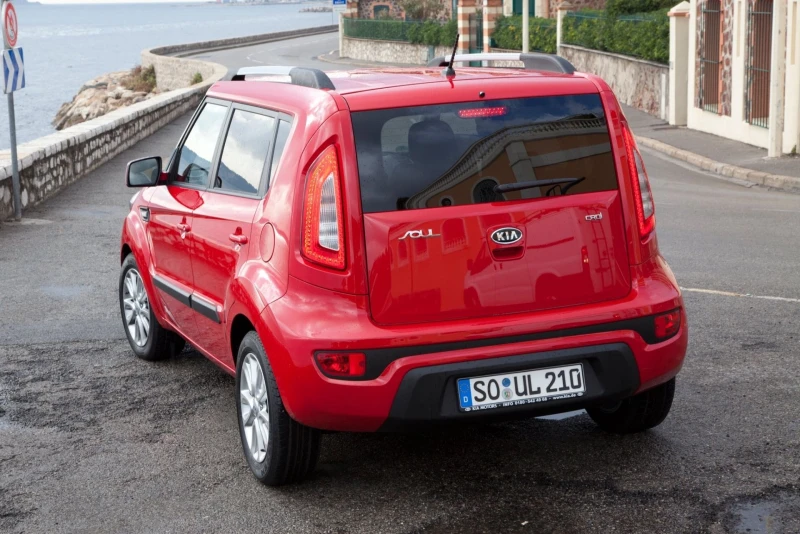
Most of these weaknesses are manageable rather than catastrophic. Rustproofing, replacement suspension parts and preventive engine maintenance are relatively straightforward, although costs depend heavily on the vehicle's condition. Minor oil consumption at higher mileage and occasional interior rattles can be normal for a car of this age. They do not always require immediate repairs, but they can reveal how carefully the previous owner maintained the vehicle.
Overall, the first-generation Kia Soul remains a practical used-car option when purchased carefully. Facelifted 2012–2013 models are generally preferable because they received updates that addressed several early-production shortcomings. The most important step is investing in a thorough pre-purchase inspection instead of choosing solely by price or appearance. A properly maintained example can still provide dependable transportation without creating unexpected repair bills.