


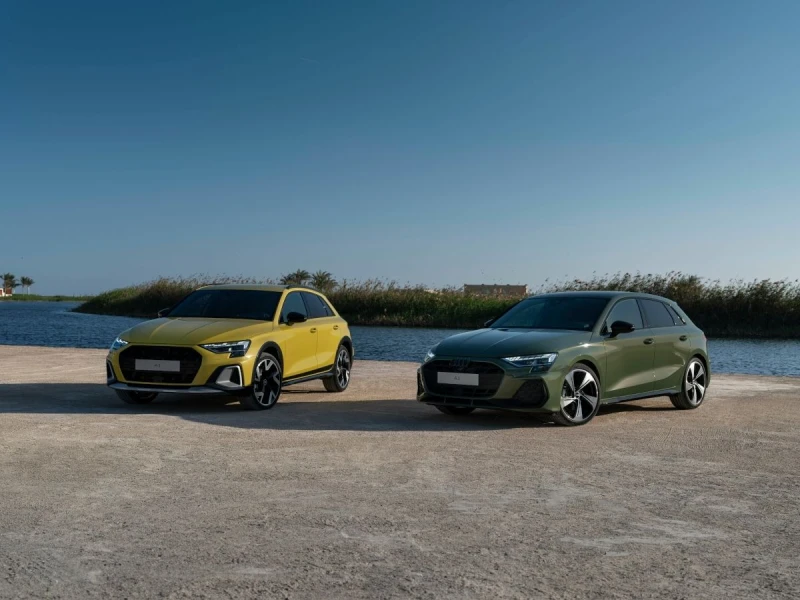
Since 2020, the model built on the MQB Evo platform has generated strong interest on the US used car market, with 2021–2024 examples showing 25,000–55,000 miles forming the majority of current listings. Buyers often see it as a sensible entry point into the Audi brand, yet real-world driving on American roads, across varied climates, and with typical maintenance habits reveals several nuances worth considering upfront. For a full overview of the generation, technical specifications, and interior, check out the other articles in our series.
Early examples and year-by-year evolution
The earliest 2020–2021 models, particularly those with the 48V mild-hybrid system, occasionally exhibited minor electronic teething issues. These included occasional glitches with the MMI infotainment system, unexpected screen restarts, and temporary connectivity drops with Android Auto or Apple CarPlay. By 2022–2023, the manufacturer had released several major software updates that largely resolved these concerns. The 2024 facelift brought further improvements to interface stability, though pre-facelift cars still dominate used inventory.
Mechanically, the generation has avoided widespread major failures. The turbocharged engines paired with the S tronic dual-clutch transmission have proven reliable when maintenance intervals are respected. Still, early-year examples benefit from a close review of service history, as many software remedies were performed under warranty at authorized dealers.
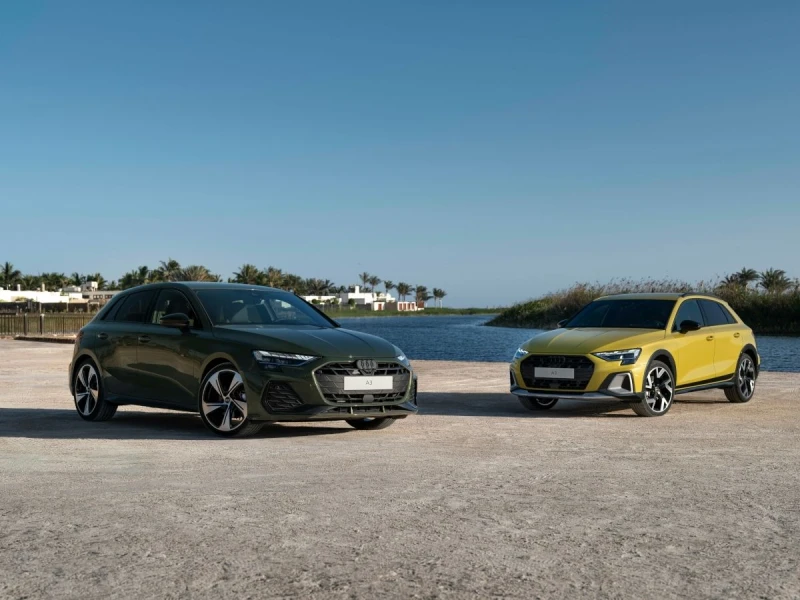
Real-world driving on US roads
One of the defining traits of the A3 IV is its low ground clearance of approximately 5.5 inches. On typical US roads featuring potholes, speed bumps, and occasional rough or gravel shoulders, the suspension transmits more impacts into the cabin. On heavily deteriorated pavement, characteristic knocking from struts or bushings can appear after 40,000–45,000 miles. The quattro all-wheel-drive system delivers noticeably better stability in these conditions, but it does not remove the need for attentive driving on poor surfaces.
Factory sound insulation is average for the class. Above 70–75 mph on the highway, tire roar from the wheel arches and wind noise become noticeable, especially on winter tires or coarse asphalt. Many owners add extra sound deadening to the arches and doors after purchase — this noticeably improves acoustic comfort at modest cost and lets the Bang & Olufsen system, or the standard audio, perform better.
Real-world fuel economy
Manufacturer figures and real-world results often differ. The gasoline turbo models in city driving that includes traffic and cold starts typically return 26–31 mpg. On the highway at a steady 70–80 mph they commonly achieve 36–43 mpg. Diesel variants, where available, are more efficient at 36–47 mpg combined, though cold-weather operation increases consumption and makes engine noise more apparent. Mild-hybrid assist helps in stop-and-go traffic, but real-world gains remain moderate depending on driving style and fuel quality.
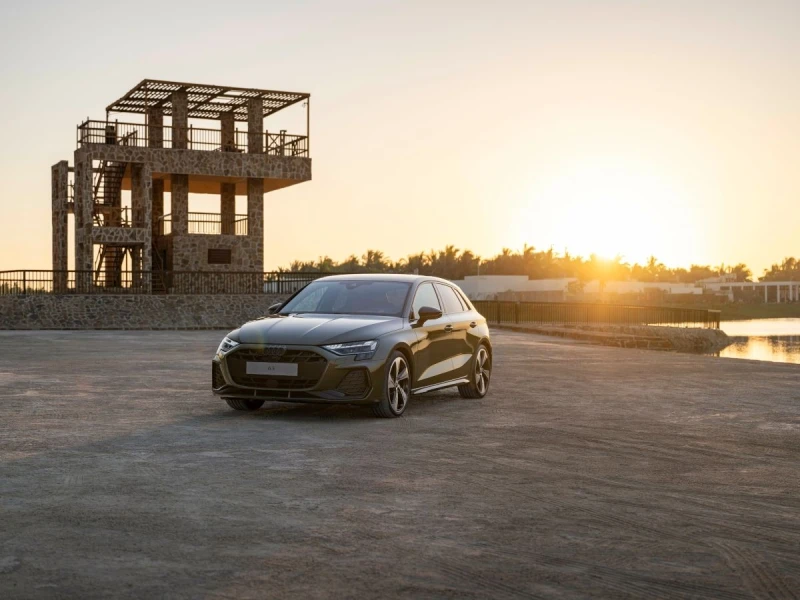
Digital interfaces and cabin materials
The transition to fully touchscreen climate and infotainment controls is a noticeable change. In daily use it is convenient, yet it can distract from the road when adjustments are needed. The Virtual Cockpit digital cluster in some early cars required calibration or a software update, particularly on 2020–2021 examples. Interior materials are high quality overall, but base trims sometimes develop minor squeaks from hard plastic on the climate control panel and door cards over time — not critical, but noticeable.
Maintenance and cost of ownership on the US market
Audi dealership service in the US remains premium-priced: genuine parts and dealer labor rates sit noticeably above those of independent European-car specialists. Past 50,000 miles, brake pads, filters, and fluids are commonly due. The suspension, exposed to US road conditions, typically requires attention every 25,000–30,000 miles — bushings and stabilizer links wear faster than the original design target.
The body is galvanized, so widespread corrosion is not a common problem as seen on some predecessors. Vehicles previously driven in heavy road-salt regions, however, can show localized underbody or wheel-arch corrosion if previous owners skipped undercoating. A thorough pre-purchase inspection with a paint-thickness gauge and borescope is essential, especially for cars with complex ownership histories.
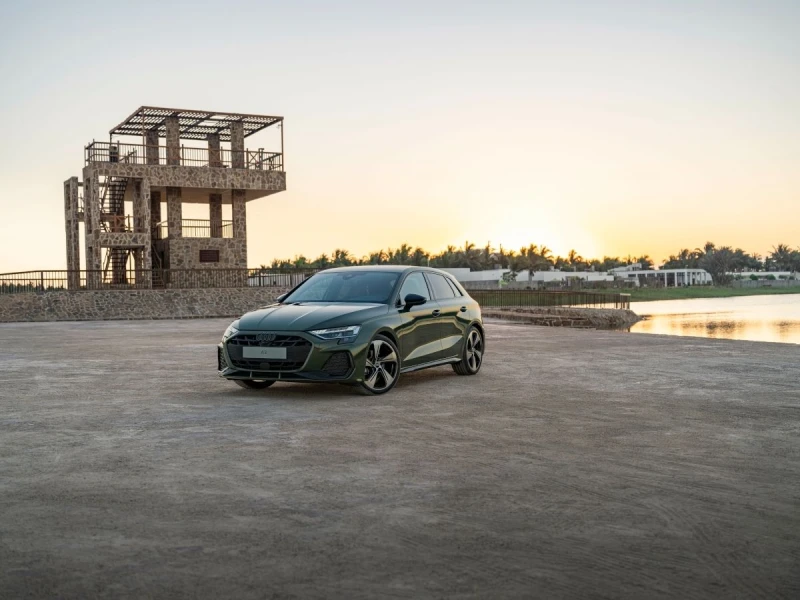
What can be addressed and what is considered normal
Most electronic quirks in early cars are resolved with a software update at a dealer or specialist shop — a relatively affordable fix often completed during pre-sale preparation. Additional sound deadening and curing minor interior squeaks are popular owner modifications that deliver clear comfort gains. Fuel economy and ride behavior over imperfect roads are inherent design characteristics that cannot be fully eliminated, but they can be mitigated with quality tires and timely maintenance.
The cost of post-purchase work depends on the individual car’s condition. On average, bringing a clean 2022–2023 example to excellent condition typically requires an investment in the region of 5–10% of the purchase price — mainly for diagnostics, servicing, and minor refinements.
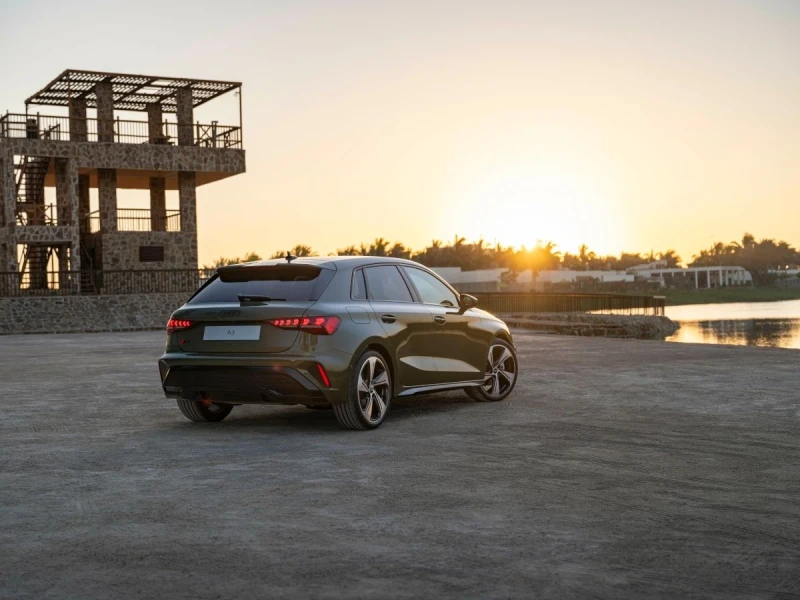
Recommendations when shopping the used market
The Audi A3 IV generation remains a well-balanced choice when approached thoughtfully. Later examples from 2022 onward with documented service records and under 45,000 miles generally represent the strongest values. All-wheel-drive models and torquier powertrains tend to suit harsher winter climates and extended highway use better, while front-wheel-drive versions appeal most to drivers focused on milder conditions or urban commuting.
Always obtain a vehicle history report and insist on a comprehensive pre-purchase inspection that covers electronics and the chassis. Cars with one or two careful previous owners and complete records usually present in better shape than heavily traded examples. With proper due diligence, the model rarely delivers expensive surprises and holds its value well in the premium compact segment.
In the end, the Audi A3 IV (8Y) is a modern compact with genuine premium character. Most ownership realities are predictable and manageable — the key is thorough inspection and an honest assessment of how the car will be driven and maintained.