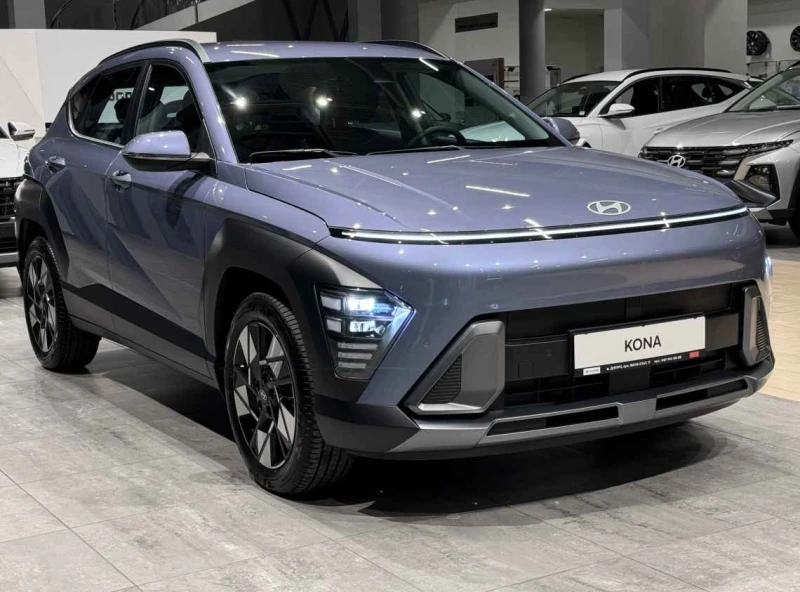
Issues with the 2023–present Hyundai Kona affect areas from ride comfort to electronics. Used examples on the American market — still fairly new — demand careful inspection due to the model's recent redesign and import history in some cases. This article highlights the main concerns based on owner forums, reviews, and service reports. For full specs, interior photos, and driving impressions, check our other Kona coverage.
Main Weak Points & Standout Characteristics
Owners of the Hyundai Kona SX2 frequently mention a handful of traits that impact daily driving. Real-world fuel economy for the 1.6 T-GDi turbo with 7-speed DCT (less common in the US) typically lands in the 25–32 mpg range in city driving according to reports — respectable for the class but can drop noticeably in heavy traffic or with spirited driving. The more popular 1.6 GDi HEV hybrid version achieves roughly 45–50 mpg combined in normal conditions, though cold weather and heavy heater/defroster use can reduce efficiency noticeably.
The dual 12.3-inch screen setup supports wireless Apple CarPlay and Android Auto, but owners report occasional software lag, slow response times, and intermittent wireless connection drops. Factory navigation works well for most US roads, though many still prefer Google Maps or Waze for real-time accuracy.
Cabin noise levels are average for the segment: road and tire noise become noticeable above 65 mph, and the rear wheel wells transmit more hum than some rivals due to limited factory sound deadening. This is especially apparent on rougher pavement or older concrete freeways.
Interior material quality varies by trim. Lower trims use durable hard plastics that resist scratches well, while higher grades add soft-touch surfaces and synthetic leather. Some owners note minor wear on high-touch areas like the center console after 15,000–20,000 miles.
Electronics and hybrid components require dealer-level tools for proper diagnostics. Parts availability for US-spec models is generally good, though some imported units (especially from Korea) may face longer wait times for certain items. Suspension and transmission parts fall in the typical range for subcompact crossovers, with aftermarket options widely available.
Model Years & Versions — What to Scrutinize
As a still-fresh generation, early 2023 builds show the most reports of firmer-than-expected ride quality over potholes and occasional infotainment freezes or delays. Hybrid versions sometimes exhibit higher-than-advertised fuel use in very cold weather, though this isn’t widespread.
Documented complaints include occasional false activations of lane-keeping assist and a generally firm suspension calibration that transmits more impact from expansion joints and broken pavement. These are not universal but appear regularly in forums and early service logs.
2024–2025 updates brought noticeable improvements: smoother infotainment software, slightly better sound insulation in some trims, and a revised suspension tune for improved comfort in certain configurations. In the US market the 1.6 GDi HEV with 6-speed DCT dominates, while some imported 2.0 MPI CVT examples exist and should be checked for fuel compatibility and service support. Electric versions have fewer complaints after early software patches.
Used Market in the United States
Used 2023–present Hyundai Kona SX2 examples remain relatively scarce due to the model’s newness — most available units are low-mileage trade-ins or imports (mainly from Korea) with under 30,000–35,000 miles. Body condition varies: rougher city streets and winter road salt in many states can lead to underbody corrosion or suspension wear if protective measures weren’t applied.
Vehicles without undercoating or regular washing show faster wear on wheel arches and underbody panels in salt-belt regions — underbody inspection is strongly recommended. A clean Carfax or full dealer service history significantly reduces risk compared to vehicles with spotty records.
VIN checks reveal differences in safety features, infotainment languages, or equipment depending on original market. Mileage is usually accurate given the age, but a professional scan and history report are still advised.
Typical asking prices for 2023–2024 hybrid models in good condition range from $22,000 to $28,000 depending on trim, mileage, and location (roughly equivalent to original MSRP depreciation for this age and segment).
What Can Be Fixed & Realistic Costs to Get It Right
Most common Kona SX2 complaints can be addressed without breaking the bank. Adding aftermarket sound deadening to wheel wells and doors noticeably cuts road noise. Infotainment glitches often improve dramatically with dealer software updates or aftermarket interface enhancements.
Worn interior trim pieces are inexpensive to replace via dealer parts or aftermarket sources. Suspension refresh (shocks, bushings) becomes relevant after 25,000–40,000 miles on average American roads. Applying undercoating or rust-proofing helps protect vulnerable areas in corrosion-prone states.
Following the maintenance schedule — especially DCT fluid changes every 30,000–40,000 miles — prevents bigger transmission issues. When buying used, budget 5–10% of purchase price for inspection, minor fixes, alignment, and preventive treatments to bring the vehicle to solid condition.
Final Thoughts & Buying Advice
In 2026 the Hyundai Kona II (SX2) remains a compelling choice in the subcompact crossover segment, particularly for city commuters who value efficiency and modern features. It offers strong value, but its relative newness means thorough inspection is essential.
2024–2025 hybrid models with the 1.6 GDi HEV powertrain tend to have the fewest complaints and best real-world reliability for most US drivers. Gas or full-electric variants suit those prioritizing performance or zero emissions, though they come with their own maintenance considerations.
For new purchases, prioritize trims with upgraded sound packages. For used examples, closely inspect for rust (especially in northern states), verify electronics function properly, test suspension over bumps, check hybrid battery health if applicable, and review full service and ownership history.