The 2017–present Hyundai i30 comes with a handful of commonly mentioned weak points across performance, electronics, and comfort. Used examples available in the United States often require close inspection, especially considering typical road conditions and service history. This guide pulls together the most frequently cited concerns based on owner experiences and service data. For full specs, interior photos, and generation overview see our other articles in the series.
Key Drawbacks and Standout Traits of the Generation
Owners of the Hyundai i30 PD frequently highlight several aspects that impact everyday use. The widely available 1.0 T-GDi mild-hybrid paired with the 7-speed DCT shows combined real-world fuel economy of roughly 32–38 mpg in mixed driving per owner reports — solid for the class, though it can dip into the high 20s in heavy stop-and-go traffic or with enthusiastic driving. The less common 1.6 CRDi diesel variants often return 42–50 mpg highway, but these are harder to find on the current US-adjacent used market.
Infotainment includes an 8–10.25-inch touchscreen with wired Apple CarPlay and Android Auto, but feedback regularly mentions minor software bugs — interface lag, occasional freezes, or delayed map updates. Factory navigation is tuned for European roads; many US owners prefer smartphone-based apps for better accuracy on local highways and streets.
Cabin noise insulation is average for the segment: road and tire roar becomes noticeable above 70 mph, and the lack of extra underbody or wheel-arch damping lets more noise from the rear tires enter the cabin — especially apparent on concrete freeways or rough pavement.
Interior materials differ by trim: entry-level versions use harder plastics prone to scratches, while higher grades feature soft-touch surfaces and synthetic leather. Owners often report visible wear on high-touch areas like the center console, door pulls, and armrests after 60,000–90,000 miles.
Electronics and the mild-hybrid system (post-facelift) can be trickier to diagnose without dealer-level tools. For cars imported from Europe, parts availability may involve longer wait times. Suspension components and DCT-related repairs tend to cost a bit above average for the class, though aftermarket and remanufactured options help keep expenses manageable.
Model Years & Versions — Red Flags to Check
Early builds (2017–2019) show a few more recurring complaints. The 1.4 T-GDi (Kappa family) engine sometimes consumes extra oil after 50,000 miles, a point raised in multiple owner forums. The 7-speed DCT can exhibit hesitation or mild overheating symptoms in prolonged low-speed traffic, though not a widespread failure.
Other occasional issues include temporary blackouts of instrument cluster or center-screen displays and a firmer-than-expected ride over potholes. These are not epidemic problems but appear consistently enough in owner discussions and repair records.
The 2020 facelift brought meaningful improvements: new Smartstream engines (1.5 DPI naturally aspirated and updated 1.0 T-GDi mild-hybrid), refined multimedia software, and slightly better sound deadening. In the US used market the 1.0 T-GDi + 7DCT combo dominates; some imported units may carry the 1.5 DPI with IVT CVT, which needs regular fluid attention. Post-facelift diesels, where available, generally receive fewer complaints.
Used Market Reality in the United States
Hyundai i30 PD models circulate in decent numbers on the American used market — mostly low-mileage European imports or gray-market examples with 50,000–120,000 miles. Body and undercarriage condition varies widely: rough winter roads with road salt can accelerate rust on wheel arches, sills, and floor pans if no undercoating was applied.
Salt damage is a real concern on untreated examples, so a thorough underbody inspection is non-negotiable. Cars with a documented US or dealer service history usually hide fewer surprises compared with direct imports.
VIN checks reveal differences in equipment — some imported cars have driver assists or infotainment configs not originally offered in North America. Mileage tampering still occurs, so a professional scan and history report are strongly advised.
Many advertised examples are ex-fleet or lightly repaired collision cars from Europe. Common price range for clean 2018–2021 1.0 T-GDi DCT models in Style or Premium trim falls between $14,000–$19,000 depending on mileage and condition (2025–2026 market levels).
Fixable Issues & Realistic Ownership Budget
Most of the i30 PD’s annoyances can be addressed without breaking the bank. Adding aftermarket sound-deadening mats to doors and wheel wells noticeably cuts road noise. A software reflash or updated firmware often stabilizes the infotainment.
Worn interior trim pieces are inexpensive to replace via aftermarket suppliers or salvage yards. Suspension refresh — shocks, bushings, control arms — typically becomes necessary after 60,000–80,000 miles on average American roads. Applying a quality underbody coating helps prevent or slow future corrosion.
Sticking to the DCT fluid change interval (every 40,000 miles or so) greatly improves long-term transmission reliability. When budgeting for a purchase, plan an extra 10–15% of the vehicle price for initial inspection, undercoating, fluid services, and any small deferred maintenance items to get the car into solid shape.
Final Thoughts & Buying Advice
In 2026 the Hyundai i30 III (PD) remains a compelling compact hatchback or wagon choice for buyers wanting European handling and generous equipment at a reasonable price. It delivers a strong mix of comfort, tech, and efficiency — provided you buy smart.
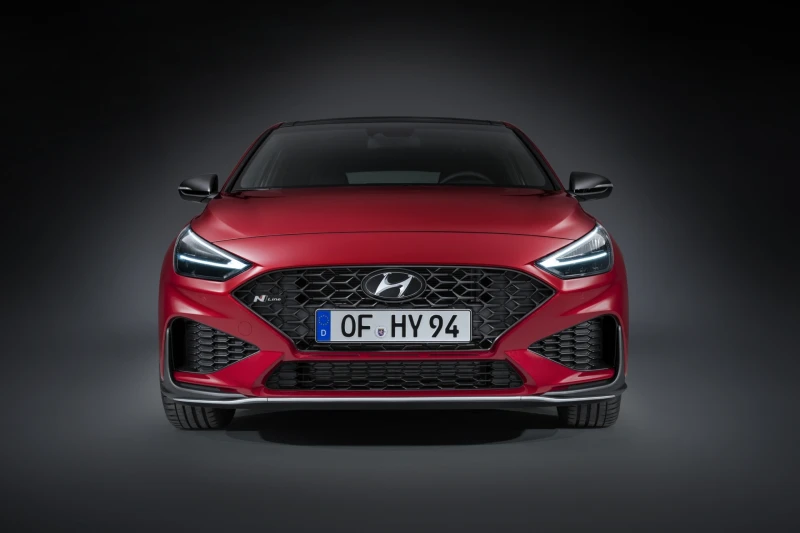
Facelifted 2020+ models with the 1.0 T-GDi mild-hybrid and 7DCT offer the best blend of economy and dependability for typical use. Diesels or N Line variants suit higher-mileage drivers or those wanting more performance, but expect slightly higher upkeep.
For a used example, prioritize a full pre-purchase inspection focusing on rust, oil consumption, suspension wear, electronics function, and a verified service/import history. A thorough test drive will reveal how the car feels on local roads — and whether it suits your driving style.