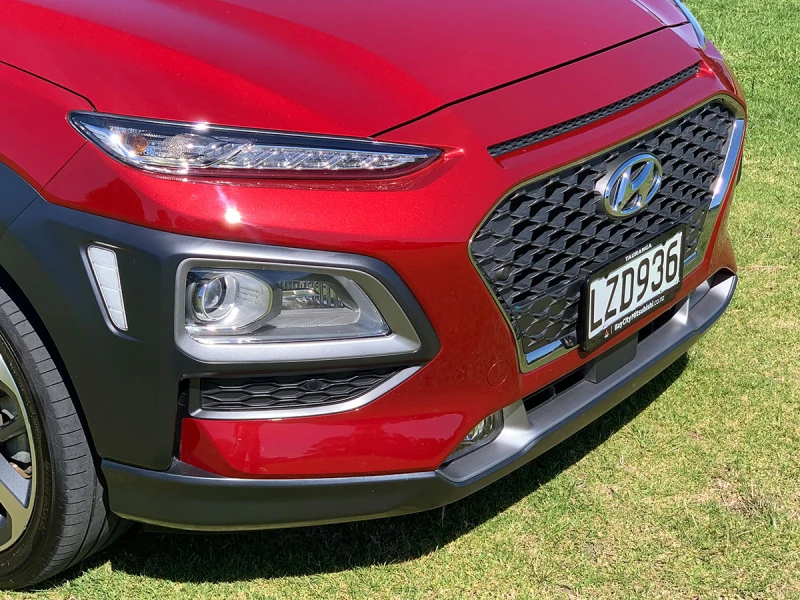
The model strikes a nice balance between affordability and features, but like any used vehicle, it has some quirks worth checking during inspection. This guide covers the main drawbacks of the Hyundai Kona I, real-world ownership experiences, and tips to help you pick a solid example. For full specs, tech details, and interior photos, check our other reviews in the series.
Main Drawbacks & Generation Highlights
U.S. owners on forums, Reddit, and sites like Cars.com frequently mention several recurring issues tied to daily driving. These aren't deal-breakers on every car, but they depend heavily on maintenance history and how the vehicle was driven.
Turbocharged versions (1.0 T-GDI and especially 1.6 T-GDI) often return 2–4 mpg worse than EPA estimates in heavy city traffic or with spirited driving — think real-world averages of 24–28 mpg combined instead of the advertised 28–30+. The naturally aspirated 2.0L MPI engine (more common in base U.S. models) is more consistent but noticeably less peppy.
The infotainment system — 8-inch or 10.25-inch screen after the 2020 facelift — can lag during navigation or when using Apple CarPlay / Android Auto due to outdated software. Dealer updates usually fix it, but many used examples haven't received them.
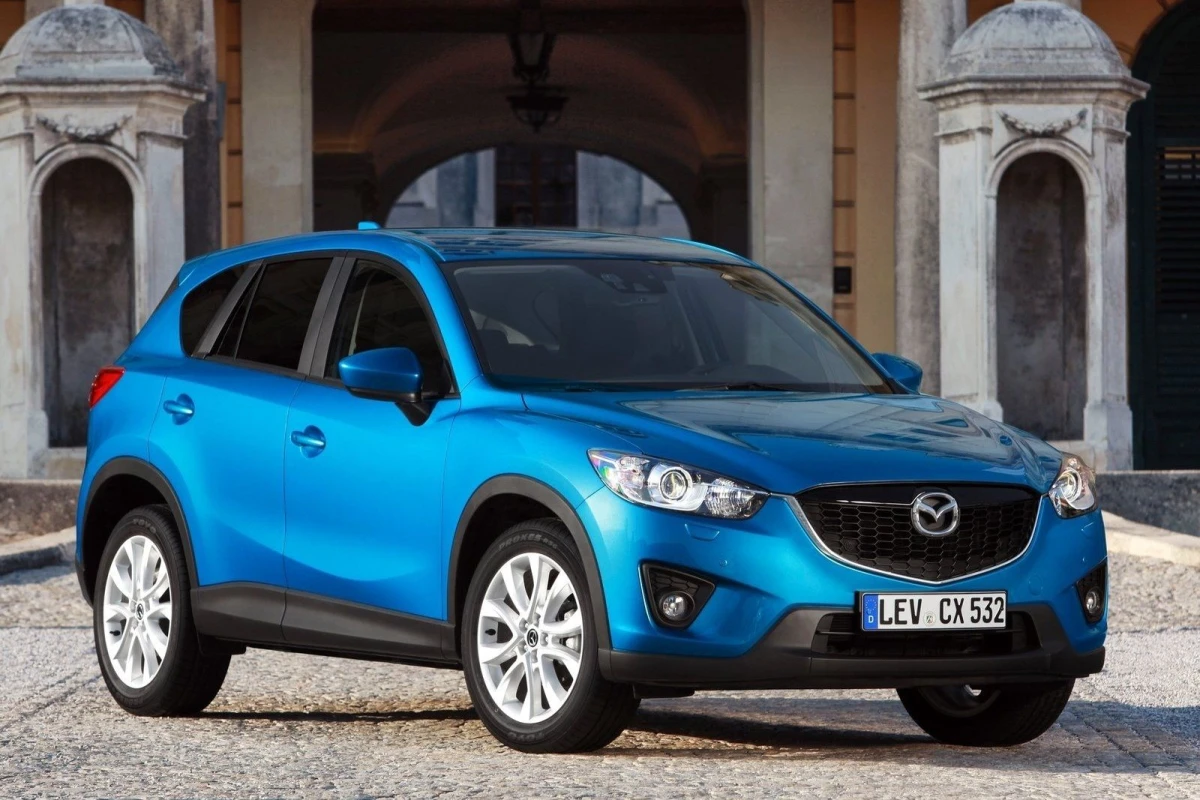
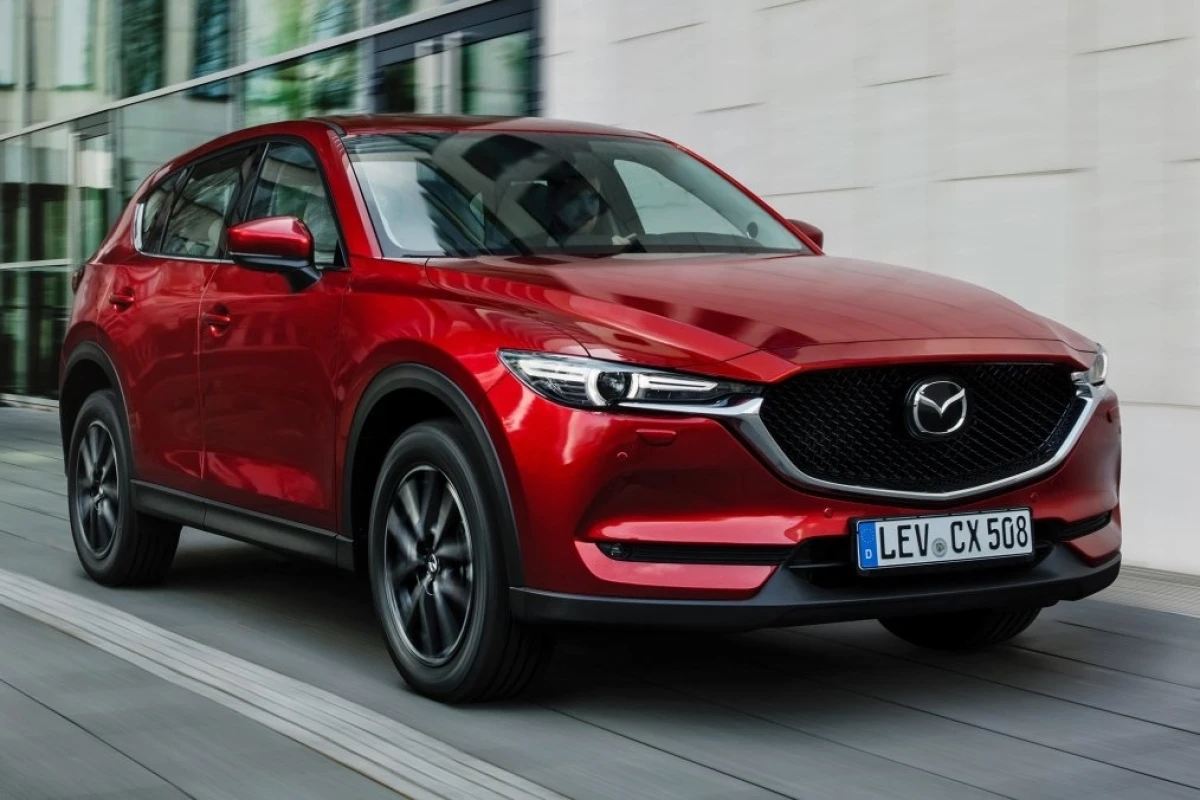
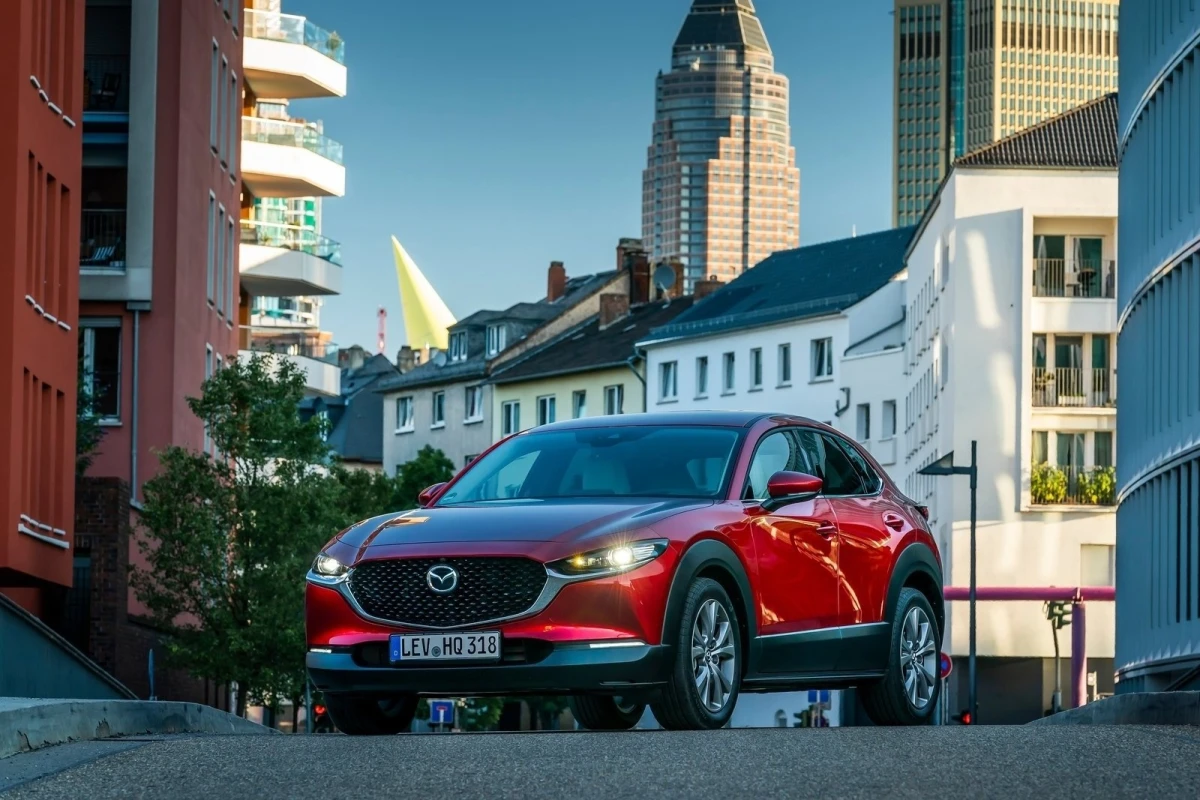
Sound insulation is mediocre: pre-facelift models (2017–2019) let in a lot of tire and road noise above 60–65 mph. The 2020+ refresh added better materials, but it still trails segment leaders like the Volkswagen T-Roc or Mazda CX-30.
Interior plastics in lower and mid trims feel hard and can develop rattles over time, especially around door panels. Higher trims with leather and soft-touch surfaces hold up better but still need regular care to avoid wear.
The 7-speed dual-clutch transmission (DCT) needs fluid changes every 30,000–40,000 miles to stay smooth — skipping this leads to jerky shifts and premature clutch wear. Parts are available, but OEM components cost more than aftermarket.
Repairs like a turbo replacement on T-GDI models or the HTRAC AWD coupling can run 20–30% of the vehicle's current value, depending on condition.
Model Years & Versions — Red Flags to Check
Even though production ended in 2023, early examples (2017–2019) need extra scrutiny. Many were imported or came from high-mileage fleets — watch for DCT wear above 60,000–70,000 miles and early rust on underbody parts.
Common complaints include DCT overheating in hot weather or during towing (relevant in states like Texas or Arizona), and carbon buildup on direct-injection turbo engines after 50,000–60,000 miles if lower-quality fuel was used.
Pre-facelift infotainment glitches were more frequent, but 2020–2021 software updates reduced them significantly. The HTRAC AWD system is generally reliable but its coupling may need inspection past 90,000 miles.
The 2020 facelift brought meaningful improvements: better noise control, refined infotainment, and an updated 1.6 T-GDI (Smartstream) with up to 195 hp and slightly improved efficiency. Post-facelift 2021–2023 models are the safest bet with fewer early issues reported.
Used Market in the United States
As of early 2026, the U.S. used market has thousands of 2017–2023 Hyundai Konas listed on platforms like Autotrader, Cars.com, and CarGurus. Most are 2019–2022 models with 30,000–80,000 miles, mainly 2.0L naturally aspirated or 1.6T versions, many originally from California, Texas, or Florida.
Body condition varies a lot depending on region: in Rust Belt states (Northeast, Midwest) with road salt, check lower door edges, wheel arches, and underbody for corrosion after just 4–6 years. Sunbelt cars usually fare better but watch for clear-coat fade and interior heat damage.
Salt and winter chemicals accelerate rust on suspension bolts and exhaust — especially on cars without undercoating. A clean service history from Hyundai dealers is a big plus, particularly records of DCT fluid changes and turbo maintenance.
VIN checks are essential: mileage tampering happens in 15–25% of cases (especially former rental or high-mile imports); use Carfax, AutoCheck, or a dealer scan. Many cars have aftermarket upgrades (stereo, wheels) that can affect resale.
Typical asking prices for decent examples range from $14,000–$22,000 depending on year, miles, and trim — post-facelift SEL and Limited models usually command the higher end.
What You Can Fix & Budget for a Solid Example
Most Kona issues are fixable, making it a smart pick for buyers who do their homework. Sound-deadening upgrades (extra door and wheel-well insulation) cut cabin noise by 20–30% and take 1–2 days.
Infotainment refresh via software update or aftermarket screen swap smooths out lag. Worn interior trim pieces or seats can be refreshed with OEM-style replacements.
Suspension refresh (bushings, shocks) is common on cars from rough roads; underbody rustproofing helps in snowy regions. Annual walnut blasting for the T-GDI intake valves is recommended preventive maintenance.
Budget tip: set aside 10–15% of purchase price for immediate needs. Expect $500–$900 for full undercoating, $400–$700 for sound deadening, and $1,000–$2,500 for major first service (DCT fluid, diagnostics, etc.) on higher-mileage cars.
Final Thoughts & Buying Tips
In 2026 the first-gen Hyundai Kona remains a strong used buy for city commuting, small families, or as an efficient daily driver — provided you inspect carefully. It delivers good bang-for-buck and modern features, but key systems need attention.
Target 2020–2023 models with the 1.6T or 2.0L and front-wheel drive for the fewest headaches and best refinement. AWD versions suit areas with bad weather but verify the coupling condition.
When shopping, always test-drive for smooth DCT operation (no hesitation or jerks), check body panels and undercarriage for rust, verify mileage via records, and test all infotainment functions. A pre-purchase inspection at a Hyundai dealer or trusted independent shop is non-negotiable to avoid surprises.
With proper care and a good history, a used Hyundai Kona can be a reliable, fun, and economical companion for years to come.