


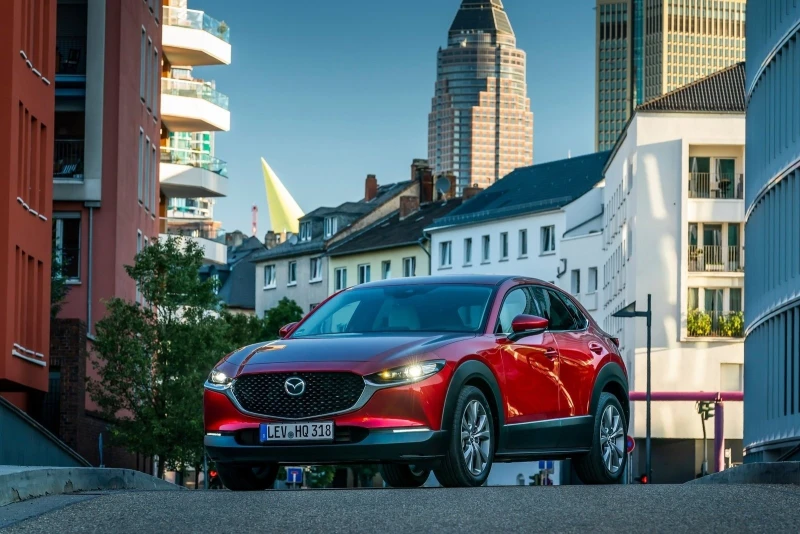
The model combines striking design and solid equipment levels, yet like any vehicle, it has quirks and characteristics highlighted by owners on platforms such as Reddit, Mazda forums, and owner reviews. This article dives into the main real-world drawbacks of the Mazda CX-30 I, focusing on everyday use and buying decisions. For full specs, tech details, and interior reviews, check our other series articles.
Key Drawbacks and Standout Features of the Generation
Owners of the Mazda CX-30 2019–present frequently mention several recurring points in reviews, based on actual driving experience. These depend heavily on driving style, road conditions, fuel quality, and maintenance adherence — not every vehicle is affected equally.
Fuel economy on e-Skyactiv G 2.0–2.5 (non-turbo versions) in city driving often lands in the 24–28 mpg range, which can be 1–4 mpg below EPA estimates, especially with AWD models or heavy stop-and-go traffic. The mild-hybrid (MHEV) system helps on the highway through energy recovery, but the benefit is smaller in urban conditions.
The Mazda Connect infotainment with 8.8-inch screen (sometimes listed as 7–10.25") can show occasional lag in navigation or Apple CarPlay/Android Auto response, particularly on early software versions (2019–2021). Dealer updates usually fix this, though not all used examples have received them. The rotary controller interface remains divisive compared to full touchscreen systems.
Sound insulation is decent for the class, but road and tire noise become noticeable above 70 mph, especially pre-2024 models. The 2024+ facelift brought acoustic glass and extra insulation, improving things noticeably, though suspension thump over rough pavement is still audible.
Interior materials hold up well in mid- and higher trims with soft-touch plastics and available leather, but lower console plastics may develop rattles over time. Fabric seats pick up dirt quickly in urban use, and wood-style trim can scratch from keys or bags.
Maintenance requires premium unleaded fuel (recommended 87 AKI minimum, 91+ for best performance) and oil changes every 7,500 miles or per Mazda schedule. The automatic transmission benefits from fluid service around 60,000 miles. Mazda dealer network is widespread in major US cities, with parts generally available quickly.
Costs for items like shocks or MHEV components (24V battery) fall in the typical range for the segment — roughly $400–$900 for a set, depending on OEM vs aftermarket choice.
Model Years & Versions — What to Watch For
Early builds (2019–2021) show more reports of infotainment glitches (interface lag) and faster wear on stabilizer bushings around 40,000–50,000 miles due to firm suspension tuning. Some owners note slower cabin warm-up in very cold weather (below 15°F), often improved with software updates.
Occasional issues include parking sensors or liftgate malfunctions around 25,000–40,000 miles, plus paint chips on the hood from highway debris. These are not widespread. Rare reports mention belt wear on gasoline engines past 70,000 miles or DPF concerns (more common in Europe, less relevant in the US market).
The 2024+ facelift brought meaningful upgrades: more stable Mazda Connect software, refined suspension tuning (optional adaptive dampers in some trims), and a strengthened MHEV battery. Post-facelift models (2024–present) receive fewer complaints about noise and electronics, per US owner forums.
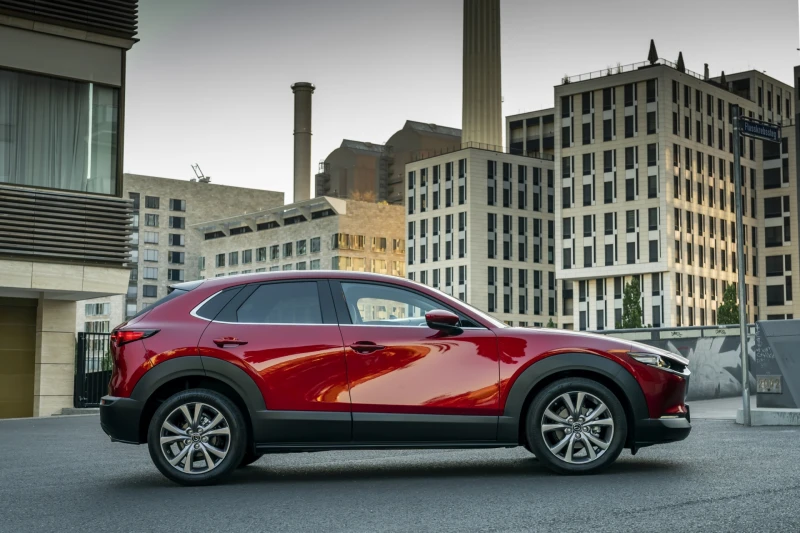
Used Market in the United States
The used Mazda CX-30 market in the US is active: as of February 2026, platforms like Cars.com, Autotrader, and CarGurus list thousands of examples, mostly 2021–2024 models with 20,000–60,000 miles. New vehicles are available at dealers, while recent imports from low-mileage sources remain fresh with remaining warranty.
Body condition varies by region: galvanization protects well for 5–8 years, but road salt in northern states accelerates underbody and wheel-arch corrosion if undercoating is missing. Paint fade from sun exposure and rock chips from highways are common in sunnier areas like California or Texas.
Salt-belt imports may show rust on exhaust or mounts by year 4–5 without protection. Service history is critical — prefer examples with full dealer records showing transmission and hybrid-component maintenance. About 15–25% of listings have aftermarket wheels or accessories, which can affect resale value.
Mileage tampering occurs in roughly 15–25% of cases, especially with certain import channels; always verify via Carfax, AutoCheck, or dealer scan. Post-2024 models are straightforward to purchase. Typical asking prices for well-maintained 2022–2023 AWD Supreme/Preferred examples range $20,000–$26,000, with cleaner low-mile EU-sourced or domestic units commanding the higher end.
What Can Be Fixed and Budget for Good Condition
Most CX-30 quirks are correctable, making the model even more appealing. Adding aftermarket sound deadening (doors, wheel wells) can cut cabin noise by 10–15%, usually completed in a day.
Infotainment refresh via updated firmware or aftermarket modules improves responsiveness. Replacing worn interior trim or upholstery with quality analogs keeps the premium feel.
Suspension refresh (bushings, shocks) addresses pothole wear; underbody rust prevention with spray-on protection is wise in salt states. Regular intake cleaning on e-Skyactiv engines every 7,500–10,000 miles helps long-term reliability.
Budget guideline: plan 10–15% of purchase price for initial improvements depending on condition. Examples: undercoating ≈ $400–$800, sound deadening ≈ $300–$600. For higher-mileage examples (>45,000 miles), expect $800–$1,500 for first major service including transmission fluid.
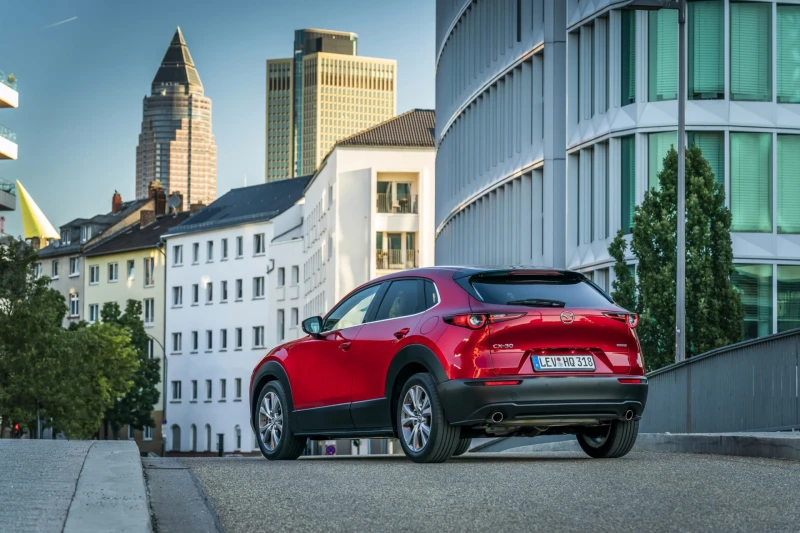
Conclusions and Buying Tips
In 2026, the Mazda CX-30 I remains a compelling compact crossover choice on both new and used markets in the US, especially in the $18,000–$28,000 range, provided maintenance is kept up. It stands out with mild-hybrid efficiency and engaging dynamics, but electronics and body condition deserve close inspection.
Post-2024 facelift versions with 2.5 e-Skyactiv G MHEV and AWD in higher trims (Preferred, Premium, Turbo) offer the best reliability updates and reduced noise. For new buyers — consider higher trims with premium features; for used — aim for 2023–2024 examples under 40,000 miles.
When shopping new or used, always check: transmission smoothness on test drive, underbody/rocker panels for corrosion, infotainment and hybrid functions, true mileage via VIN history, and full service records. A pre-purchase inspection at a Mazda dealer greatly reduces risk, especially regarding the MHEV system.
A used Mazda CX-30 can be a smart, enjoyable choice when purchased thoughtfully — service history and vehicle origin are the biggest factors in long-term satisfaction.