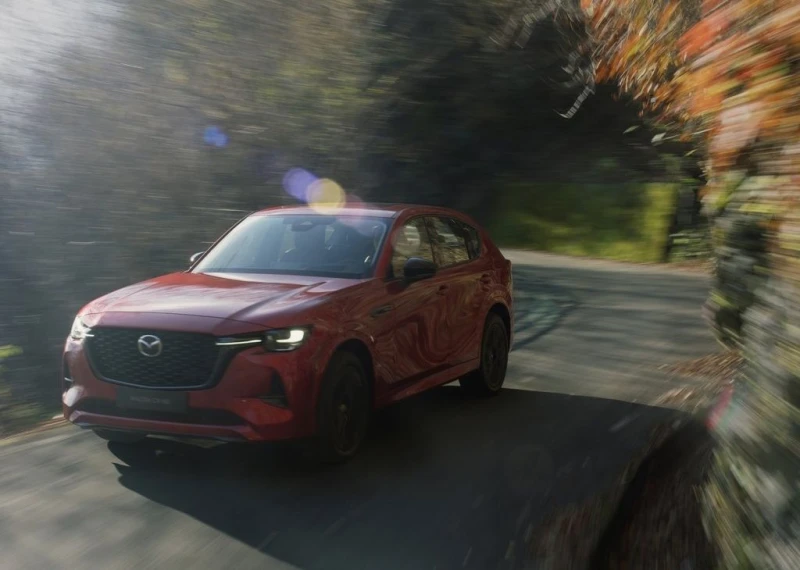
Despite its strong points like sharp modern styling and an advanced platform, owners point out certain characteristics and drawbacks worth considering before purchase. This article dives into the main aspects of Mazda CX-60 I drawbacks, Mazda CX-60 2022–present issues, and nuances of acquiring a used Mazda CX-60 in the American market. For a full overview of the generation, specs, and interior details, check out our other series materials.
Key Drawbacks and Characteristics of the Generation
Mazda CX-60 I owners on forums and review sites mention several points that can affect daily driving. These insights draw from US, European, and international owner feedback, including discussions on major automotive communities.
Real-world fuel consumption often exceeds official figures. For the PHEV variant (e-Skyactiv PHEV 2.5L, 327 hp), without regular charging, gasoline usage can hit 21–26 mpg in mixed driving — especially noticeable in heavy urban traffic. Diesel e-Skyactiv D 3.3L versions (200–254 hp) typically achieve 29–36 mpg, though highway figures with a full load can drop lower. The gasoline e-Skyactiv G 3.3L (254–284 hp) models consume around 19–25 mpg depending on driving style and conditions.
The 12.3-inch Mazda Connect infotainment system draws criticism for occasional sluggish response, particularly in early software versions. Built-in navigation exists, but Android Auto and Apple CarPlay integration (wired in base trims, wireless in later updates) can experience lag. Owners report that dealer software updates help mitigate these delays.
Cabin sound insulation falls short of premium-segment expectations at times. Road and tire noise become noticeable above 60 mph, especially on rough pavement, with some wind noise as well. A few reports mention suspension vibrations filtering into the cabin.
Interior material quality is generally strong, featuring Nappa leather and natural accents in higher trims, though glossy trim on the center console scratches and shows wear relatively easily with regular use. Base cloth upholstery can feel less upscale.
Service complexity stems from the new Skyactiv Multi-Solution Scalable Architecture. Accessing certain components (like the high-voltage battery in PHEV models) demands specialized tools, extending service times. Parts costs run above average for the class: suspension pieces or hybrid-system elements often cost more than comparable rivals, though Mazda's official US dealer network provides good availability.
Model Years and Versions — What to Watch For
As the generation is still current, early 2022–2023 examples show some initial calibration traits. Owners more frequently mention a firm suspension setup that can feel uncomfortable over bumps and create a "bouncy" sensation on wavy roads. Transmission (8-speed Skyactiv-Drive) jerkiness at low speeds appeared in some PHEV units but wasn't widespread.
By 2024–2025, Mazda rolled out refinements: softer springs and dampers, removal of the rear sway bar in select setups, and transmission software tweaks for smoother shifts. These updates noticeably boost ride comfort, especially in 2025–2026 models. Cabin noise and vibration complaints dropped after added insulation around wheel arches.
In the US market the PHEV version (327 hp, all-wheel drive) remains a strong choice, though battery condition deserves close inspection. The e-Skyactiv D 3.3L diesel (254 hp, AWD) shows solid reliability, while gasoline e-Skyactiv G 3.3L (284 hp) suits certain regions.
Used Market in the United States
On the American used market as of 2026, most Mazda CX-60 examples are 2023–2025 models, often imported or distributed through various channels. Listings remain somewhat limited compared to more established nameplates. Body condition varies with road exposure: rough surfaces and winter conditions can lead to paint chips and surface rust on unprotected areas (wheel arches, sills), particularly if the vehicle saw duty in regions using road salt.
A verified service history is critical: vehicles lacking clear dealer records may hide electronic or battery issues (especially PHEV). Part originality can be checked via VIN; while counterfeit components are uncommon, they appear occasionally in non-dealer channels.
Mileage tampering happens, so cross-check with services like Carfax. Import specifics may require attention to multimedia language settings or minor adaptations. Common listings feature PHEV models in Takumi or Homura trims with 12,000–30,000 miles.
Approximate market price range for used examples: $35,000–$55,000 depending on year, mileage, trim, and condition (orientative market price for the United States).
What Can Be Fixed and Budget for Good Condition
Many noted quirks respond well to fixes. Upgrading sound deadening with extra mats in wheel wells and doors can cut road noise by 1–3 dB. Infotainment improvements come via dealer reflashing or aftermarket modules for seamless wireless smartphone integration.
Replacing worn interior trim (glossy pieces) uses OEM or quality aftermarket parts. Suspension refreshes — updated dampers or springs — enhance ride quality. Rust prevention involves underbody and arch coatings. Routine maintenance covers timely oil/filter changes, especially important for hybrid components.
When buying, budget 10–20% of the vehicle price for initial tweaks and first service. For used examples over 20,000 miles, expect $500–$1,500 to address common items depending on scope.
Conclusions and Recommendations
In 2026 the Mazda CX-60 I generation remains a compelling alternative to premium crossovers if you value sharp dynamics and standout design. It suits drivers willing to accept a firmer ride and who have access to proper Mazda service.
Target 2024–2026 models with the updated suspension and software, particularly the PHEV (327 hp, AWD) for city use or the e-Skyactiv D 3.3L diesel (254 hp) for highway miles. Gasoline e-Skyactiv G 3.3L fits select US markets — verify specs.
For new vehicles, confirm the latest updates are included. On used ones, inspect suspension for knocks, test transmission for smoothness, check PHEV battery health, evaluate highway noise, and review full service records. A thorough test drive over imperfect roads reveals any vibrations.
Overall, with sensible modifications, the CX-60 can be a dependable pick — but thorough inspection is essential on the US market.