


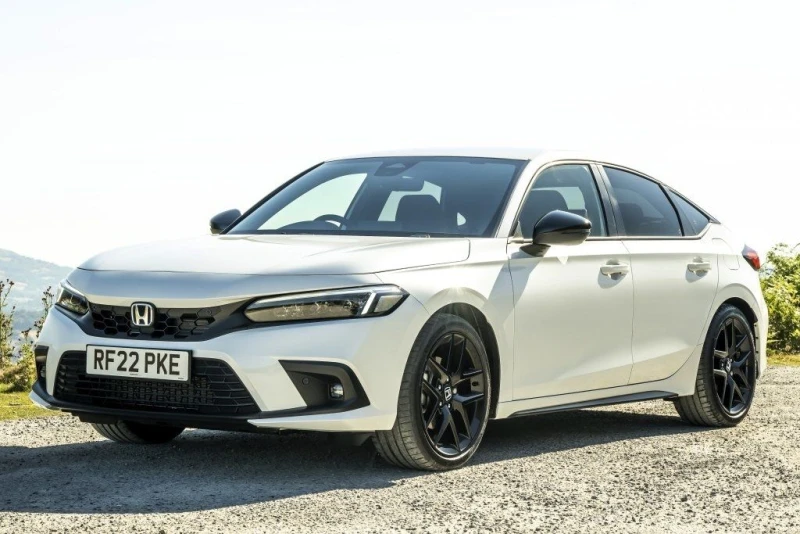
The model enjoys strong popularity in the US and Europe thanks to its sharp handling and advanced tech, yet owners frequently point out certain quirks and compromises worth considering before purchase. This article dives into the main drawbacks of the Honda Civic 11th gen, common complaints from 2022–present models, and practical tips for buying a used example on the American market. Insights are drawn from owner forums, review sites, and service data. For full specs, tech details, and interior photos, check our other articles in the series.
Main Drawbacks & Standout Characteristics
Owners on US forums and international review platforms highlight several recurring points that can influence ownership experience and buying decisions. These are compiled from widespread owner feedback and service records.
Real-world fuel economy often varies from EPA figures. The turbo 1.5L versions (180–200 hp, widely available in the US) typically deliver 28–35 mpg combined, sometimes 2–4 mpg below EPA ratings during spirited driving or heavy city use. The e:HEV hybrid variants (around 200 hp system output) achieve 45–52 mpg combined in real conditions, though lower-quality fuel or aggressive habits can push consumption higher.
The 7–9-inch infotainment touchscreen draws criticism for occasional sluggish response, particularly in pre-2025 models. Built-in navigation exists, but wired Android Auto and Apple CarPlay connections (in earlier units) can lag during initial pairing. Dealer software updates generally resolve most glitches.
Cabin sound insulation falls short of some class expectations: tire roar and wind noise become noticeable above 70 mph, especially on coarse pavement. A few reports mention minor suspension vibrations entering the cabin, though post-2025 updates brought noticeable improvements.
Interior materials in base trims feature hard plastics in lower areas that hold up well to wear but can feel less upscale. Higher trims with leatherette or Alcantara offer better quality, though glossy trim pieces scratch relatively easily.
Service access can be tight due to compact packaging — certain components (especially in CVT-equipped models) require specialized tools. Parts prices sit in the middle of the segment: suspension bits and filters remain affordable, but hybrid-system components on e:HEV models tend to cost more when needed.
Model Years & Variants — What to Watch Closely
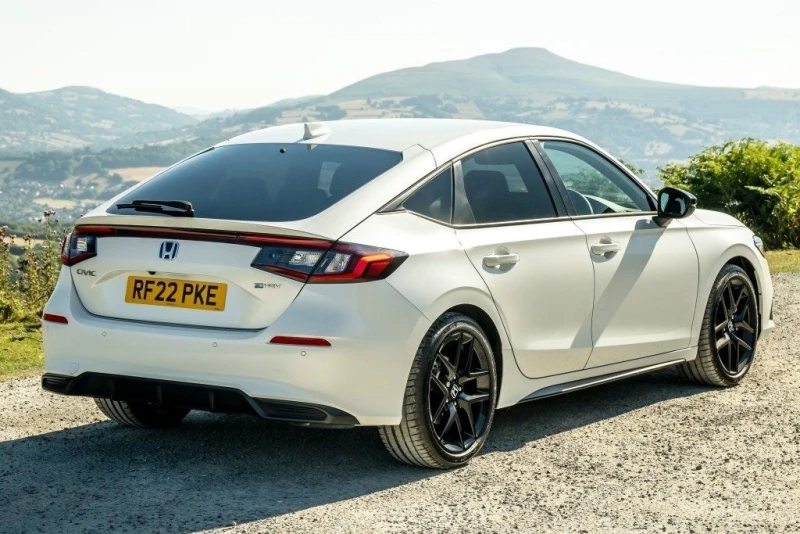
Early 2022–2023 examples sometimes exhibit firmer suspension tuning that transmits more road imperfections into the cabin, plus occasional low-speed CVT hesitation (mostly in 1.5T models). These issues aren't widespread but appear in owner discussions.
Reported concerns include accelerated CVT belt wear in stop-and-go traffic (less of an issue on US freeways), rare false activations of Honda Sensing safety suite, and occasional infotainment reboots requiring software flashes. High-mileage examples may develop minor steering bearing noise or hybrid motor vibrations — again, not common. Post-2025 refresh models show refinements: softer suspension calibration, smoother CVT behavior, and better noise suppression. In 2026, further engine mapping tweaks improved efficiency. The 1.5T (up to 200 hp, FWD) remains popular in the US alongside the dominant hybrid e:HEV offerings.
Used Market in the United States
On the US used market in 2026, most 11th-gen Civics for sale are 2022–2025 models, often imported from initial fleet or lease returns or traded in locally. Listings on platforms like Autotrader, Cars.com, and CarGurus typically range from several hundred to over a thousand examples, covering sedans, hatchbacks, and various trims.
Body condition varies with regional road quality and winter salt exposure in northern states: rock chips, underbody rust on wheel arches, sills, and floors can appear, especially on cars from snowy regions. A lift inspection is strongly advised to check for corrosion.
Service records are critical — vehicles lacking clear dealer history may hide electrical gremlins or CVT concerns. Verify part originality via VIN; aftermarket pieces sometimes appear on higher-mileage cars and can affect long-term dependability.
Mileage tampering remains a risk, so cross-check with Carfax, AutoCheck, or similar services. Typical offerings include 1.5T Sport or Touring models with 25,000–45,000 miles, often in the mid-$20,000 range depending on trim and condition. Approximate market price range for well-maintained used examples in the United States: $20,000–$28,000.
Fixable Issues & Budget for Getting It Right
Many reported quirks respond well to aftermarket or dealer fixes. Adding extra sound-deadening material to wheel wells, doors, and floor can noticeably cut road and tire noise. Infotainment upgrades often involve a dealer flash or aftermarket wireless CarPlay/Android Auto adapters.
Worn interior trim or upholstery can be refreshed with OEM or quality aftermarket pieces. Upgrading to newer-spec shocks or springs improves ride comfort over rough pavement. Applying underbody rust protection helps in salt-belt states. Follow Honda's maintenance schedule closely — especially CVT fluid changes every 25,000–30,000 miles.
When buying used, budget 10–15% of the purchase price for initial maintenance, minor fixes, and peace-of-mind items. For higher-mileage examples (over 30,000 miles), expect $500–$1,500 to address typical wear items depending on scope and local labor rates.
Final Thoughts & Buying Advice
In 2026 the 11th-gen Honda Civic remains a compelling choice for commuters and enthusiasts who value responsive handling, modern tech, and strong efficiency. It stands out as a reliable alternative to many domestic and import compact rivals.
Post-2025 refreshed models with the 1.5T (180–200 hp) + CVT or e:HEV hybrid (around 200 hp system) + e-CVT are the safest bets, especially in EX or Touring trim. The high-performance Type R appeals to driving enthusiasts.
For new cars, confirm the latest software and insulation updates are present. On used examples, inspect suspension for knocks, test CVT for smooth low-speed behavior, scan electronics, check for rust, and review full service history. A thorough test drive over varied roads helps reveal any vibrations or noises.
Overall — with proper inspection and minor upgrades if needed — the Civic 11th gen can be a smart, enjoyable long-term ownership proposition in the US market.