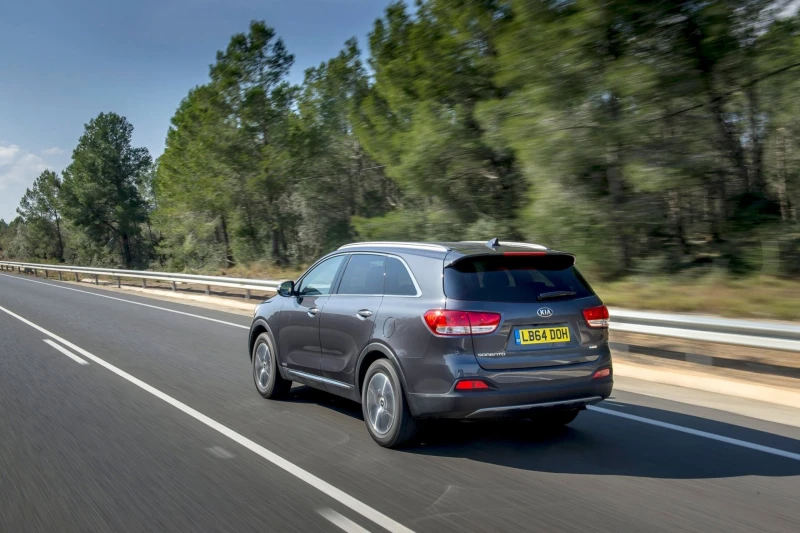
This model offers generous interior room and decent equipment levels, but like any used vehicle with mileage, it comes with specific traits and potential concerns highlighted by owners on forums like Reddit, Kia-Forums, and owner reviews. This guide covers the main Kia Sorento III drawbacks related to long-term ownership and smart buying decisions. For full specs, tech details, and interior photos, check our other articles in the series.
Key Drawbacks and Generation-Specific Traits
Owners of the 2014–2020 Kia Sorento frequently mention several recurring issues in real-world feedback. These depend heavily on driving conditions, fuel quality, and maintenance adherence, and don't affect every vehicle equally.
On diesel 2.2 CRDi variants (around 200 hp), city driving often sees fuel use of 20–25 mpg, which is 2–4 mpg below EPA estimates, especially when fully loaded or using AWD. The gasoline 2.4 GDI (188 hp) is more consistent at 19–24 mpg combined in mixed driving but performs best on premium unleaded to prevent knock. Hybrid versions (uncommon in this generation) achieve better efficiency around 28–32 mpg but may experience battery capacity fade after 60,000–70,000 miles.
The infotainment system with a 7–8-inch screen (depending on model year) can show lag in navigation and Bluetooth connectivity, particularly in pre-2017 examples; software updates are rare on used cars, leading to occasional glitches. The basic audio setup with CD/MP3 support has limited modern device compatibility until the 2017 facelift introduced Apple CarPlay.
Cabin sound insulation is acceptable for the class, but road and wind noise become noticeable above 75 mph, especially in pre-facelift models. Post-2017 updates with extra insulation cut noise by roughly 5–10%, though suspension thump over rough pavement remains evident.
Interior material quality in mid-trim levels features durable combo leatherette, but lower dash plastics can develop creaks over time. Fabric seats pick up dirt easily, and wood-style trim scratches from keys or bags.
Maintenance complexity involves the timing chain on gasoline engines (stretch possible after 90,000–100,000 miles) and turbo care on diesels, requiring oil changes every 6,000 miles; the automatic calls for ATF renewal every 35,000–40,000 miles. Parts availability in the US is generally good through dealers and aftermarket channels.
Costs for key components like the AWD coupling or DPF filter are noticeable — roughly $400–$800 for quality replacements, typical for vehicles of this age.
Model Years and Versions — Areas to Watch Closely
Early 2014–2016 models tend to have more reported concerns with the initial 6-speed automatic (jerks at 60,000–90,000 miles) and EGR issues on the 2.2 CRDi from lower-quality fuel. The AWD system in early units showed less precise coupling behavior, leading to faster wear.
Pre-facelift examples feature basic sound deadening, fewer driver aids (limited ESP in base trims), more hard plastics, and a smaller 7-inch screen. 2017–2020 models benefit from refined engines (updated GDI/T-GDI on gas, better intake on diesel), smoother 8-speed automatic in later years, and expanded safety features (including trailer stability assist).
Later technical updates strengthened the timing chain on gasoline variants (reduced stretch risk past 120,000 miles) and improved DPF handling on diesels. Transmission control modules became more robust after 2017, lowering overheating incidents. On the used market, post-facelift 2017+ versions are generally recommended to minimize potential headaches.
Used Market in the United States
The pre-owned Kia Sorento III market in the US remains active: as of early 2026, platforms like Cars.com, Edmunds, and CarGurus show thousands of listings, mostly 2016–2019 examples with 75,000–140,000 miles. Most are gasoline-powered imports or domestic units; diesels are rarer, hybrids even more so.
Body condition varies with road exposure: galvanization holds up 7–9 years, but road salt in winter accelerates rust on rockers, wheel arches, and underbody, especially without prior undercoating. Humid coastal or northern regions (e.g., Northeast or Midwest) can speed up suspension bolt corrosion.
Salt damage is common on imported or northern vehicles, affecting exhaust components by 6–8 years. A clean service record is crucial: look for documented ATF changes and DPF maintenance. Verify originality via VIN — some aftermarket infotainment swaps lower value by 10–15%.
Odometer rollback occurs in a minority of cases, particularly on auction imports; always run a Carfax or similar report plus professional inspection. Typical asking prices for well-maintained 2017–2018 Prestige/EX 2.2 CRDi AWD equivalents fall in the $12,000–$18,000 range (approximate market value for US conditions), with cleaner examples from trusted sources commanding the higher end.
Fixable Issues and Budget for Solid Condition
Most Kia Sorento III shortcomings can be addressed, keeping the model appealing for practical buyers. Upgrading sound deadening is popular: adding mats to doors and wheel wells drops road noise by 15–20%, with labor taking 1–2 days.
Modernizing infotainment via an aftermarket 9–10-inch unit with CarPlay resolves laggy navigation. Refreshing worn interior trim or seat upholstery with quality analogs maintains a factory look.
Suspension work often includes control arms and shocks worn by rough roads; rust prevention via underbody coating on rockers and floorpan is worthwhile. Routine services like GDI intake cleaning and timing chain inspection are advised every 50,000–60,000 miles.
Budget guideline: plan for 15–25% of purchase price in initial upgrades depending on condition. Undercoating runs around $500–$900 market average, sound deadening $400–$700. For higher-mileage examples over 90,000 miles, budget $1,200–$2,500 for comprehensive first service covering transmission and turbo diagnostics.
Conclusions and Buying Tips
In 2026, the Kia Sorento III continues as a sensible used choice on the American market with careful inspection and verified history — ideal for families seeking value up to around $20,000–$25,000. It stands out for spaciousness and parts availability, though transmission and body condition deserve close attention.
2014–2016 models need extra scrutiny due to earlier automatic and component versions; 2017–2020 facelifted examples are preferable thanks to refinements. The best-balanced setups are typically the 2.2 CRDi diesel (around 200 hp) with 8-speed automatic and AWD in mid-to-high trims like EX — offering strong efficiency, capable performance, and good features without hybrid complexity.
During inspection and test drive, check: smooth automatic shifting (no jerks), timing chain noise on cold start, body rust (rockers, arches), AWD coupling function via diagnostics, and infotainment responsiveness. A dealer or specialist scan and inspection is a must to reduce risks.
With proper care and attention to service history, a used Kia Sorento can prove a dependable family hauler for years to come.