


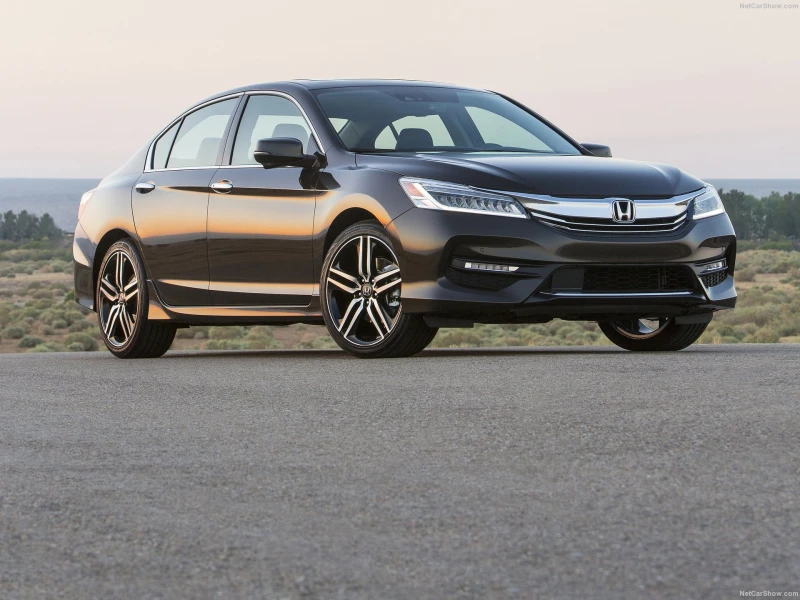
This model remains highly popular on the used market thanks to its blend of comfort, refinement, and engaging driving dynamics. However, as these cars now carry some age, owners frequently mention certain recurring quirks and weak points. This guide breaks down the key drawbacks of the 9th-gen Honda Accord, common reliability concerns for 2013–2017 models, and practical advice for anyone shopping for a used Accord in the United States. Data is drawn from owner forums, review sites, and service records across the country. For full specs, interior photos, and tech details, check our other guides in the series.
Key Drawbacks and Generation-Specific Quirks
Across US owner forums, Reddit threads, and sites like CarComplaints, several recurring issues stand out for the 2013–2017 Accord. These are the most commonly reported pain points based on thousands of real-world experiences.
Real-world fuel economy often falls short of EPA estimates. For the 2.4L Earth Dreams four-cylinder, owners typically see 28–32 mpg combined, with city driving frequently dipping to 24–27 mpg — about 2–4 mpg below EPA figures, especially with the CVT and in stop-and-go traffic around cities like Los Angeles. Hybrids (available in limited numbers) can achieve 42–48 mpg real-world, though poor-quality fuel can bump consumption higher.
The 8-inch touchscreen infotainment feels dated and sluggish, particularly in pre-2015 models. Built-in navigation maps are outdated, and smartphone integration is limited — no native Android Auto or Apple CarPlay until later refreshes or aftermarket upgrades. Post-2015 units improved responsiveness somewhat, but still lag behind modern standards.
Sound insulation is decent but not class-leading: tire roar and wind noise become noticeable above 75 mph, especially on rough concrete interstate surfaces. Some owners report mild vibrations from the suspension filtering into the cabin, though the 2015+ facelift added extra insulation mats and noticeably quieted things down.
Interior materials hold up reasonably well — hard plastics in lower areas resist wear, but feel a bit basic compared to premium rivals. Higher trims with leather or eco-leather fare better, though glossy trim pieces scratch easily over time.
Service access can be tight in spots (CVT service or hybrid components require special tools). Parts prices are average for the class: suspension bits and filters are affordable and widely available, but hybrid high-voltage parts (if equipped) remain pricier even today.
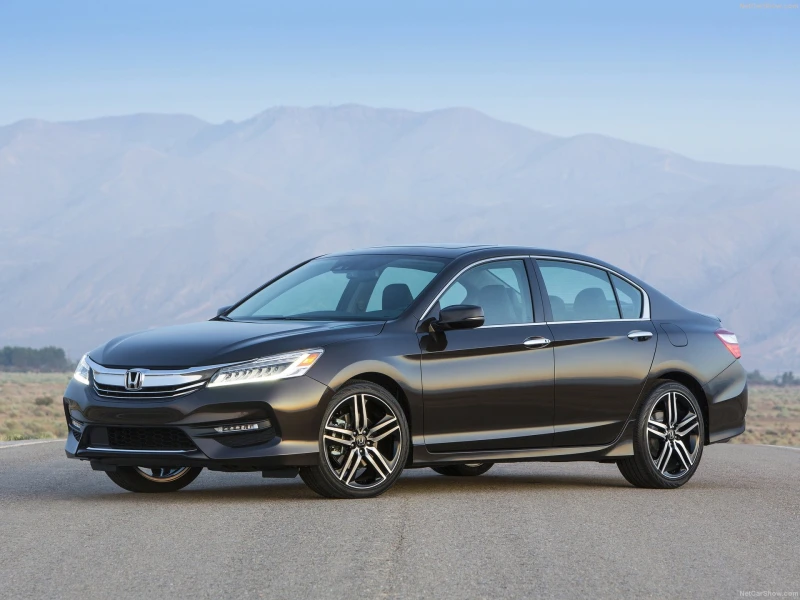
Model Years and Versions — Red Flags to Watch
Early 2013–2014 models tend to have more reports of electronics glitches and CVT hesitation, particularly if run on subpar fuel. These years also came with thinner sound deadening and a suspension more prone to noises over potholes. Some V6 units (with conventional automatic) showed cold-shift clunkiness.
Pre-facelift (2013–2014) cars generally feel less refined than 2015–2017 units, which received upgraded insulation, revised suspension tuning for fewer knocks, smoother CVT calibration, cleaner emissions, and better multimedia integration.
Key running changes: hybrid variant (2.0L Atkinson + electric motor, e-CVT) arrived mid-cycle in select markets; 2015 facelift brought stronger underbody corrosion protection, refined CVT programming for smoother feel, and more stable electronics (LaneWatch, etc.).
Used Market in the United States
As of 2026, the majority of used 9th-gen Accords for sale in the US are 2013–2017 models with mileage typically between 120,000–200,000+ miles. Listings on sites like Autotrader, Cars.com, and CarGurus show hundreds of sedans (coupes less common), mostly naturally aspirated 2.4L or V6 versions.
Body condition varies heavily depending on region: in Rust Belt states or areas using road salt, check rockers, wheel arches, and underbody for corrosion carefully — lift inspection recommended. Sunbelt cars (California, Florida, Texas) usually show far less rust but may have sun damage to interior plastics or paint fade.
Service records are critical: vehicles missing full history often hide deferred CVT fluid changes or electrical gremlins. Verify parts originality via VIN — many gray-market or salvage-titled cars use aftermarket components that can affect long-term reliability.
Mileage tampering remains a concern — always run a CARFAX or AutoCheck report. Typical asking prices for decent examples range from $9,000–$15,000 depending on year, trim (EX-L/Touring often higher), and condition, with lower-mileage or cleaner cars pushing toward $14,000–$17,000.
Fixable Issues and Budget for Bringing One to Good Shape
Most common complaints can be addressed. Adding aftermarket sound deadening (doors, floor, wheel wells) drops cabin noise significantly. Upgrading infotainment to a modern head unit with Android Auto/Apple CarPlay is a popular and relatively affordable mod.
Worn seats, scratched trim, or faded plastics respond well to reupholstering or detailing. Suspension refresh (shocks, bushings, control arms) dramatically improves ride quality over broken pavement. Underbody rust prevention (fluid film, undercoating) helps in harsher climates. Stick to the schedule: CVT fluid every ~30,000–40,000 miles, regular oil/filter changes, and hybrid battery health checks if applicable.
When budgeting, plan 10–20% of purchase price for initial sorting and maintenance on higher-mileage examples. Typical first-year costs to address common items often range from $500–$2,000 depending on what needs attention.
Final Thoughts & Buying Advice
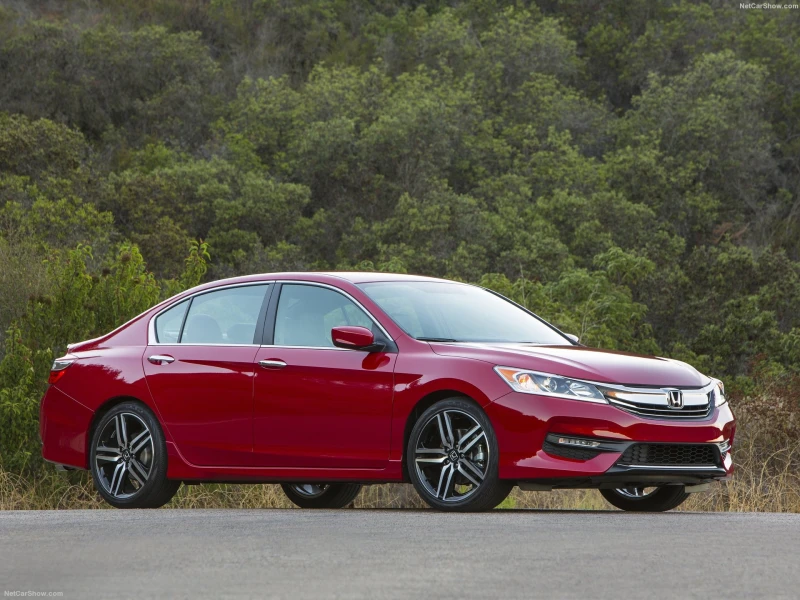
In 2026 the 9th-generation Honda Accord remains one of the smarter picks in the used midsize sedan segment — provided you find a well-maintained, low-rust example with documented history. It delivers strong reliability, spacious cabin, and enjoyable road manners at a very accessible price point.
Pay extra attention to 2013–2014 cars for potential early CVT wear and rust concerns. 2015–2017 facelift models are generally the safer bet thanks to the accumulated improvements.
Sweet-spot configurations: 2.4L with CVT for the best balance of efficiency and responsiveness, V6 for more power if desired, or the rare hybrid for excellent fuel economy (if you can find one locally).
During inspection and test drive, focus on: suspension noise over bumps, CVT smoothness during acceleration, engine operation (no misfires or leaks), body/underbody corrosion, and full function of electronics and infotainment.
With proper due diligence and a bit of post-purchase care, a 2013–2017 Accord can still be a reliable, practical daily driver or family hauler on the American used market.