


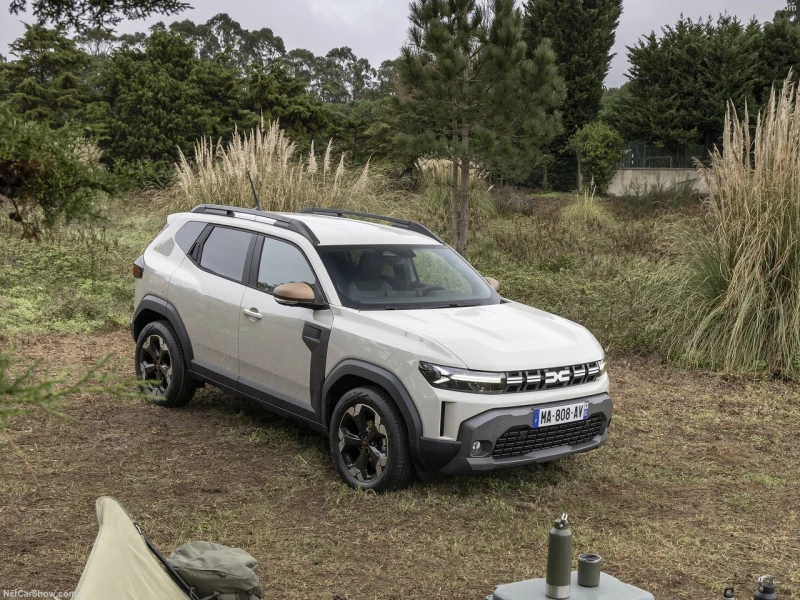
The model continues to deliver strong appeal in the affordable crossover space, though owners have highlighted certain characteristics and limitations during everyday use. This article dives into the main pain points of the Dacia Duster III, common 2024–present issues, and practical considerations for purchasing a used example on the American market. Insights are drawn from owner forums, review sites, and service data. For full specs, tech details, and interior photos, check our other articles in the series.
Main Drawbacks and Standout Characteristics
Owners on US, European, and international forums frequently mention several aspects that can affect daily driving. These observations come from aggregated user experiences, discussion boards, and workshop reports.
Real-world fuel economy often runs higher than the official figures. For the 1.2 TCe Mild-Hybrid (130 hp) versions, owners typically see 28–38 mpg combined, roughly 1–2 mpg lower than EPA estimates in city driving or with AWD engaged. The 1.6 E-Tech full-hybrid (140 hp) variants deliver around 40–50 mpg, though lower-grade fuel can push consumption higher.
The 8–10.1-inch infotainment touchscreen draws criticism for sluggish response times, particularly in entry-level trims. Built-in navigation exists, but smartphone integration was limited in early 2024 builds. Later units offer improved connectivity, though wireless Apple CarPlay and Android Auto are not always standard.
Cabin insulation falls short of expectations in the segment: tire roar and wind noise become noticeable above 70 mph, especially on coarse pavement. Some report mild vibrations from the suspension entering the cabin, though 2025 models benefit from extra sound-deadening material.
Interior plastics in base models are hard-wearing but feel basic in lower sections. Higher trims use improved textures, yet glossy trim pieces can show scratches over time.
Service access can be tight due to the compact layout—certain components (such as in the hybrid MultMode system) demand specialized tools. Parts remain reasonably priced for the class: suspension bits and filters are affordable, though hybrid battery-related items carry a higher cost.
Model Years and Versions – What to Inspect Closely
Early 2024 builds of this generation sometimes exhibit calibration quirks in the 1.6 E-Tech hybrid MultMode system, resulting in occasional low-speed jerkiness. These cases are not widespread but appear in owner feedback.
Reported concerns include occasional infotainment lag and rare false activations of ADAS features. Other infrequent issues involve accelerated tire wear on AWD models in poor conditions or AdBlue-related faults on 1.5 Blue dCi diesels (115 hp)—though diesel variants are less common in many markets.
Updates in 2025 brought softer suspension tuning, refined MultMode software for smoother transitions, and better noise suppression. These refinements make the model more consistent, especially the hybrid versions.
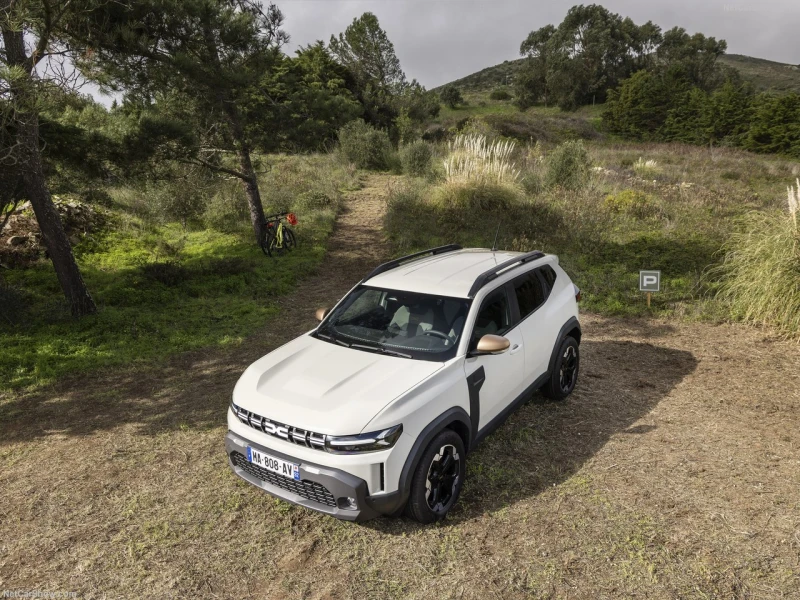
Used Market in the United States
On the US used market in 2026, most available Dacia Duster III examples are 2024–2025 imports or gray-market units from Europe. Listings are limited compared to mainstream brands, but interest is growing in the budget off-road crossover niche.
Body condition varies depending on prior use: rough roads and winter salt in some regions can lead to paint chips and surface rust on wheel arches, sills, and underbody—always inspect on a lift.
A verified service history is critical; vehicles without clear records may hide electrical or MultMode issues. Check VIN for matching parts—non-OEM components sometimes appear in parallel imports and can affect suspension or AWD longevity.
Mileage discrepancies occur, so cross-reference with services like Carfax. Imported units may need infotainment language updates. Typical offerings include 1.5 Blue dCi or 1.2 TCe models in Journey trim with 15,000–35,000 miles and AWD.
Fixable Issues and Typical Budget for Sorting Them Out
Many reported quirks can be addressed. Extra sound-deadening mats in wheel wells, doors, and floor can noticeably cut road noise. Infotainment lag may improve with dealer software updates or aftermarket upgrades.
Worn interior trim (seats, plastics) can be refreshed with OEM or quality aftermarket parts. Suspension refresh—shocks, control arms, bushings—enhances ride quality over bumps. Underbody rust prevention with protective coatings helps in harsh climates. Follow maintenance schedule: oil, filters, and MultMode fluids every 35,000–40,000 miles, plus AdBlue checks on diesels.
When buying used, budget 10–20% of purchase price for initial fixes and service. For higher-mileage examples (>30,000 miles), expect several hundred to a couple thousand dollars to address common wear items, depending on condition.
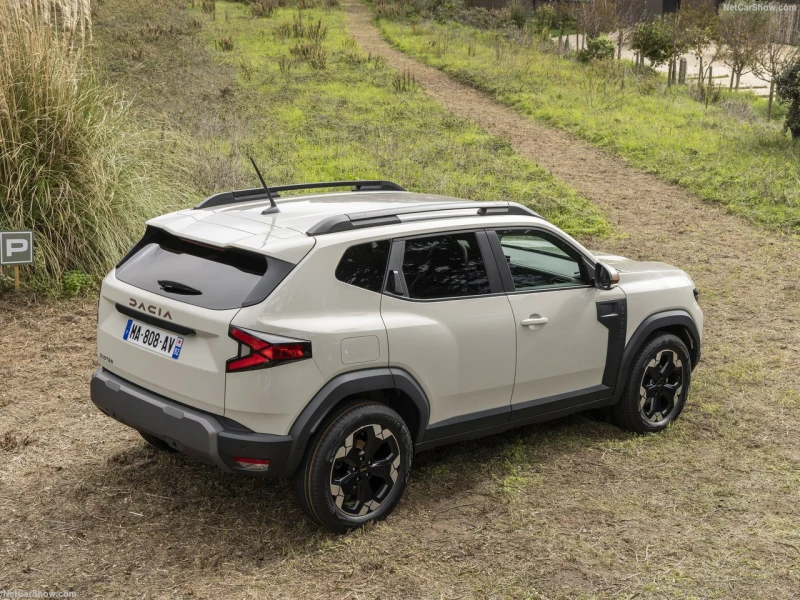
Final Thoughts and Buying Tips
The Dacia Duster III remains a compelling choice for value-focused buyers who prioritize affordability, ruggedness, and versatility. It stands out as a practical alternative to pricier mainstream crossovers.
Look for 2025+ models with the 1.2 TCe Mild-Hybrid (130 hp) + 6MT + AWD or the 1.6 E-Tech hybrid, ideally in well-equipped Journey trim.
For new or recent units, confirm the latest software and sound-deadening updates. On used examples, check suspension for knocks, test MultMode for smoothness, inspect for rust/AdBlue issues, and verify full service records. A thorough highway test drive reveals any quirks.
With sensible prep and inspection, the Dacia Duster III can be a reliable, budget-friendly daily driver on the American market.