


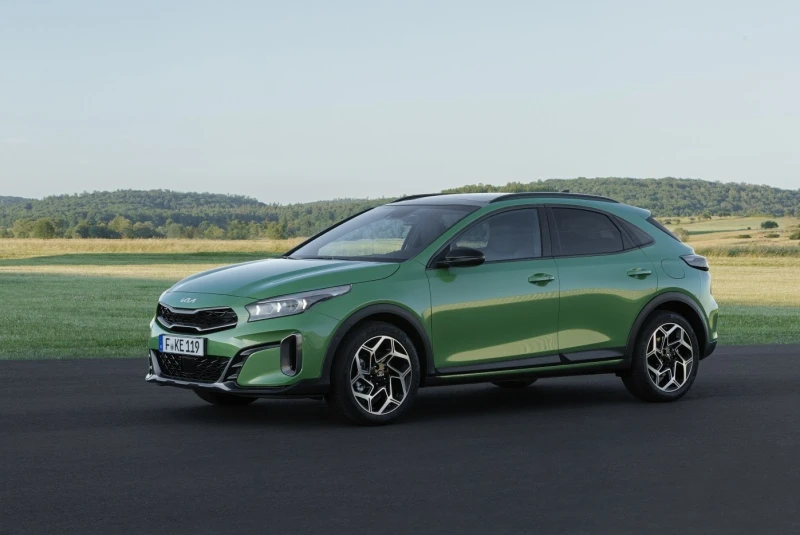
The model enjoys solid popularity in Europe and has a growing presence in the U.S. thanks to its strong value proposition and generous equipment levels. However, owners frequently highlight certain characteristics and limitations tied to everyday driving. This article dives into the main pain points of the Kia Ceed III, including common issues with the 2018–present models and important factors to consider when shopping for a used example on the American market. Insights are drawn from owner feedback and specialized sources. For full specs, tech details, and interior reviews, check our related series articles.
Key Drawbacks and Standout Characteristics of the Generation
U.S. and European owners on forums, review sites, and service records commonly mention several aspects that can sway purchase decisions and affect long-term ownership. These points are compiled from real-world user experiences.
Real-world fuel economy often deviates from EPA estimates. For the 1.5 T-GDI gasoline engines (150–160 hp), owners typically report 26–34 mpg combined, which can drop 3–5 mpg lower during spirited driving or heavy city traffic. Diesel variants (1.6 CRDi, 115–136 hp) are less common in the U.S. but deliver stronger highway efficiency when available.
The infotainment system, featuring an 8–10.25-inch touchscreen, draws occasional criticism for sluggish response, particularly in pre-2021 facelift models. Built-in navigation exists, but wired Android Auto and Apple CarPlay connections (standard in early units) can experience lag. Dealer software updates generally resolve most glitches.
Cabin noise insulation falls short of some segment expectations: tire roar and wind noise become noticeable above 70 mph, especially on coarse pavement. A few reports mention suspension vibrations filtering into the cabin, though the post-facelift models show noticeable improvement.
Interior material quality varies by trim. Lower-spec versions use durable hard plastics in lower areas that hold up well but feel basic. Higher trims with leather and Alcantara offer a nicer touch, though glossy trim pieces scratch relatively easily.
Service access can be tight due to the compact engine bay layout: reaching certain components (especially in the DCT transmission) often requires specialized tools. Parts pricing remains reasonable for the class—suspension bits and filters are affordable, while plug-in hybrid (PHEV) system components (market-dependent) tend to cost more.
Model Years and Versions — What to Watch Closely
As the generation is still current, early 2018–2020 examples carry some initial teething issues. Owners more frequently report a firmer ride that feels harsh over bumps, plus occasional low-speed jerkiness from the 7-speed DCT (especially in 1.4 T-GDI 140 hp variants). These are not widespread but appear in owner discussions.
Documented concerns include catalytic converter wear in turbo engines when exposed to lower-quality fuel, relevant in some U.S. regions. Infotainment and electronic systems occasionally need reflashing. Rare high-mileage items: occasional safety assist glitches or steering bearing noise.
The 2021 facelift brought meaningful upgrades: softer suspension tuning, refined DCT calibration for smoother shifts, and better sound deadening. Mild-hybrid (MHEV) assistance was added to the 1.5 T-GDI in 2024–2025, boosting efficiency. Diesel 1.6 CRDi remains rare in the U.S. due to emissions regulations and market preferences.
Used Market in the United States
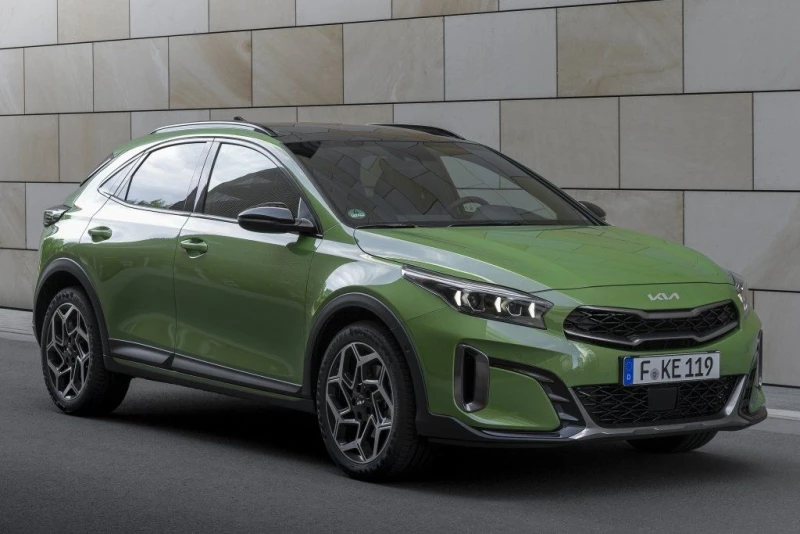
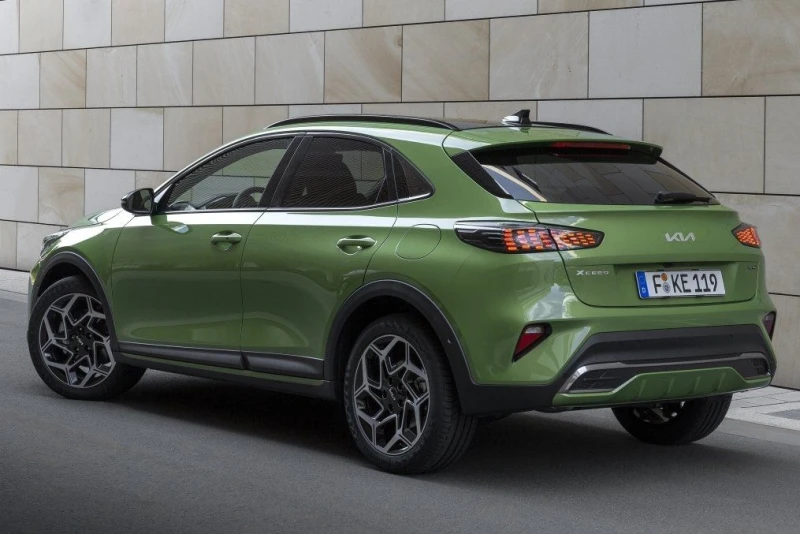
On the U.S. used market as of 2026, most available Kia Ceed III examples are 2019–2023 imports or limited domestic stock, primarily hatchbacks, wagons, and XCeed crossovers. Listings on major platforms typically range from a few dozen to a couple hundred, depending on region.
Body condition varies with road exposure: rough pavement, winter salt in northern states, and road debris can lead to paint chips and surface rust on wheel arches, sills, and underbody—especially on vehicles from high-salt areas. A thorough lift inspection is strongly recommended.
Service history is critical: vehicles lacking clear dealer records may hide electrical gremlins or DCT wear. Verify part originality via VIN; gray-market imports sometimes use aftermarket pieces that affect long-term dependability.
Mileage tampering occurs, so cross-check with Carfax, AutoCheck, or service logs. Imported examples may need tweaks (language settings, unit conversions). Common listings feature the 1.6 MPI (128 hp) or 1.5 T-GDI in mid-to-high trims with 30,000–60,000 miles. Approximate market range for decent examples: $15,000–$22,000 depending on year, mileage, and condition (realistic U.S. used values).
What Can Be Fixed and Typical Budget for Solid Condition
Most reported quirks can be addressed without breaking the bank. Extra sound-deadening mats in wheel wells, doors, and floor can noticeably cut road noise. Infotainment improvements include dealer reflashes or aftermarket wireless adapters.
Worn interior trim or upholstery can be refreshed with OEM or quality aftermarket parts. Upgrading to revised suspension components (shocks, springs) enhances ride comfort over imperfections. Underbody rust prevention involves applying protective coatings to vulnerable areas. Follow the maintenance schedule closely—oil, filters, and DCT fluid changes every 37,500 miles or as specified.
When buying used, budget 10–15% of the purchase price for initial fixes and first service. For higher-mileage examples (>30,000 miles), expect $500–$1,500 to address typical wear items, depending on scope and local labor rates (U.S. market estimates).
Final Thoughts and Buying Tips
In 2026 the Kia Ceed III remains a compelling option for city commuting and highway trips if you value efficiency, features, and strong warranty coverage. It serves as an attractive alternative to mainstream European and Japanese compact rivals at a more approachable price point.
Post-2021 facelift models with the 1.5 T-GDI (150–160 hp) + 7-DCT or 1.6 MPI (128 hp) + 6-speed automatic are the safest bets, especially in higher Prestige or GT-Line trims. The 1.6 CRDi diesel suits very high-mileage drivers where available.
For new purchases, confirm the latest software and insulation updates are installed. On used examples, inspect suspension for knocks, test DCT for smooth low-speed behavior, check the catalytic converter, look for rust, and demand full service records. A thorough test drive over varied roads will reveal any vibrations or excessive noise.
Overall—with sensible checks and minor upgrades—the Kia Ceed III can deliver practical, enjoyable ownership on American roads.