The model continues to be popular on the used market thanks to its practicality and nimble handling, though owners frequently mention certain age-related quirks and weak points. This guide covers the main drawbacks of the Honda HR-V II, common issues reported for 2013–2021 models, and essential tips for anyone shopping for a used HR-V in the United States. Insights are drawn from owner forums, review sites, and service data across North America. For full specs, interior photos, and driving impressions, check our other articles in the series.
Key Drawbacks and Generation-Specific Traits
Owners on US forums and review platforms highlight several recurring points that can affect day-to-day ownership. These observations come from aggregated feedback across owner communities and repair records.
Real-world fuel consumption often runs higher than EPA estimates. For the 1.8L gasoline engines (typically paired with CVT), many drivers report 25–30 mpg combined, which can drop 2–4 mpg lower in heavy city traffic or with aggressive driving. Note that the 1.6L diesel was not offered in the US market.
The 5–7 inch touchscreen infotainment feels dated by today’s standards, especially in base trims. Built-in navigation (where equipped) uses outdated maps, and smartphone integration is limited in pre-2019 models. Post-2018 facelift versions improved connectivity somewhat, but still lack native Android Auto or Apple CarPlay in many units.
Cabin sound insulation falls short of expectations in the segment: tire and wind noise become noticeable above 60–65 mph, particularly on coarse pavement. Some owners mention mild vibrations from the suspension filtering into the cabin, though the 2019+ facelift addressed this with better damping materials.
Interior plastics in entry-level trims are hard-wearing but feel basic, while higher trims with faux leather offer nicer surfaces. Glossy trim pieces scratch relatively easily over time.
Service access can be tight due to the compact layout—reaching certain CVT components or engine bay items often requires special tools. Parts prices are reasonable for the class: suspension pieces and filters are affordable, though AWD-specific components (when present) tend to cost more.
Model Years and Versions — Red Flags to Check
Early 2013–2016 examples tend to show more electronic gremlins and CVT sensitivity, particularly if run on lower-quality fuel or neglected maintenance. These years also came with thinner sound deadening and a suspension more prone to knocks over potholes, plus occasional manual-transmission synchro wear in rare stick-shift units.
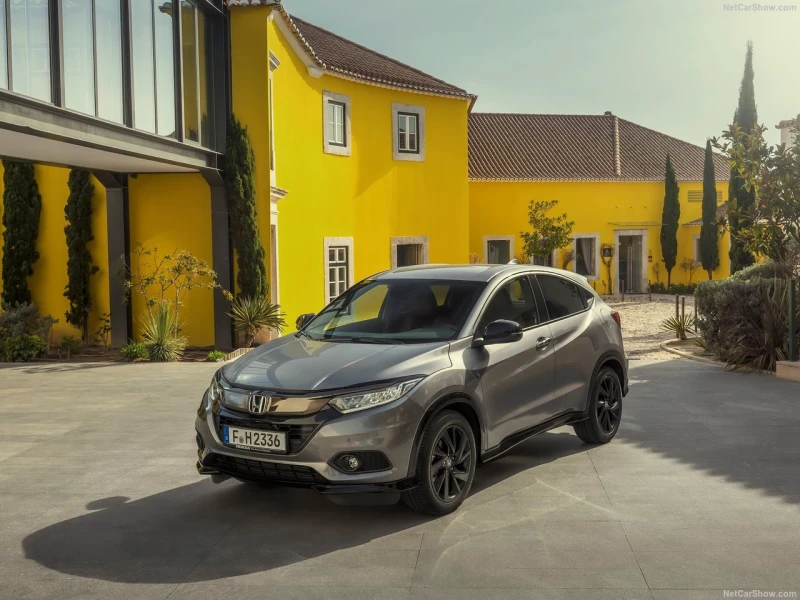
Pre-facelift models generally have less refined CVT behavior and plainer cabin materials compared with the 2019–2021 facelifted versions. Later cars benefit from thicker insulation (extra mats in doors and floor), revised suspension tuning for fewer noises, updated infotainment compatibility, and improved emissions calibration.
Notable running changes: Real Time AWD became available on more trims around 2016–2017 in some regions, while the 2019 facelift brought stronger rust protection, smoother CVT calibration, and more stable electronics (including Honda Sensing suite in higher trims).
Used Market in the United States
As of 2026, the US used market for second-generation Honda HR-V (2015–2020 models) features plenty of examples, many imported from various states or originally sold domestically. Listings on platforms like Cars.com, Autotrader, and CarGurus typically range from 40–100+ vehicles at any time, depending on region.
Body condition varies widely with road exposure: in regions that use road salt, check wheel arches, rocker panels, and underbody for rust bubbles or flaking paint. A lift inspection is strongly recommended, especially in Snow Belt states.
Service records are critical—vehicles missing documented maintenance often hide CVT fluid neglect or electrical issues. Verify part originality via VIN; aftermarket or mismatched components can affect long-term suspension or AWD reliability.
Mileage discrepancies are not uncommon, so cross-check with Carfax, AutoCheck, or similar services. Typical asking prices for clean 2016–2020 examples with 80,000–150,000 miles fall in the $12,000–$18,000 range, depending on trim, condition, and location (higher in coastal or low-mileage markets). Popular configurations include the 1.8L with CVT in EX or higher trims.
Fixable Issues and Budget for Bringing One to Good Shape
Most reported quirks can be addressed. Adding aftermarket sound deadening (doors, wheel wells, floor) noticeably cuts road and tire noise. Upgrading infotainment to a modern head unit with Android Auto/Apple CarPlay is a common and worthwhile mod.
Worn seat bolsters, scratched trim, or faded plastics respond well to replacement parts (OEM or quality aftermarket). Suspension refresh—shocks, control arms, bushings—greatly improves ride quality over broken pavement. Underbody rust prevention (fluid film or professional coating) helps in salt-heavy areas. Follow Honda’s CVT fluid change interval (roughly every 30,000 miles) and keep up with oil, filters, and other fluids.
When budgeting for a purchase, plan an extra 15–25% of the vehicle price for initial service, typical wear items, and any immediate upgrades. For higher-mileage examples (over 120,000 miles), set aside $800–$2,000 for addressing common deferred maintenance.
Final Thoughts and Buying Tips
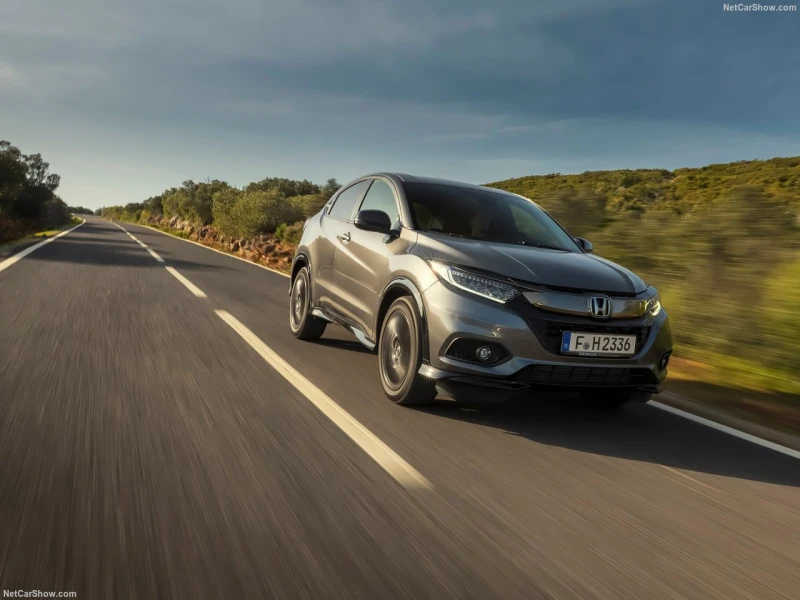
In 2026 the second-generation Honda HR-V remains a sensible used buy if you find a well-maintained, lower-mileage example with transparent history—ideal for urban drivers who value maneuverability and clever cargo space.
Pay extra attention to 2013–2016 units for potential rust and early CVT wear; pre-facelift models for noise and ride quality. The 2019–2021 facelifted versions are generally the safer bet thanks to refinements.
Best-balanced choices: 1.8L CVT models for everyday city use, or AWD versions if you need light all-weather capability (more common in northern states).
During inspection and test drive, focus on: suspension (listen for clunks over bumps), CVT (smooth acceleration without judder), engine (even idle, no leaks), body (check arches and underbody for corrosion), and electronics (Honda Sensing functions where equipped, infotainment response).
With the right example and a bit of care, the HR-V II can deliver reliable, practical transportation on the American used market.