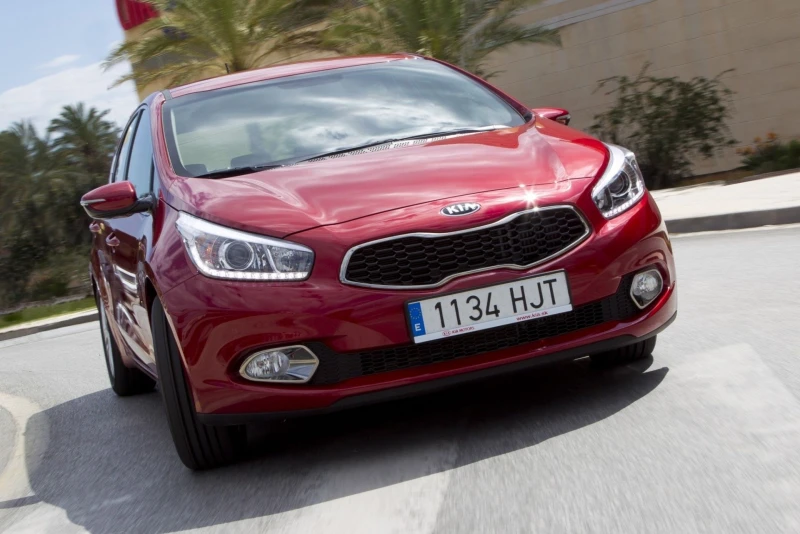
The model blends practicality with enjoyable handling, yet like any used vehicle, it comes with certain quirks highlighted by owners on forums and review sites. This guide covers the main pain points and considerations for the Kia Ceed II when evaluating a used example. For separate coverage of the generation's specs, tech features, and interior, check our other series articles.
Key Drawbacks and Generation-Specific Traits
Owners of the 2012–2018 Kia Ceed frequently mention several recurring items in real-world feedback. These depend heavily on driving conditions, fuel quality, and maintenance history — not every car will show all of them.
On 1.6 CRDi diesels (128–136 hp), city fuel economy often lands around 35–40 mpg, roughly 1–2 mpg below EPA estimates, especially with lots of stop-and-go or heavy loads. The 1.6 GDI gasoline engines (around 135 hp) are more consistent at 28–34 mpg combined but demand premium unleaded to avoid knock. The turbo 1.6 T-GDI (204 hp GT versions) typically see 24–30 mpg, climbing toward 20–22 mpg in aggressive urban driving.
The 7-inch infotainment screen (post-facelift) can lag during navigation or Bluetooth pairing, particularly on early 2012–2014 units; software updates are uncommon on used examples, leading to occasional glitches. The basic audio setup with CD/MP3 works fine but struggled with modern phones until USB support improved around 2015.
Cabin sound insulation is decent for the class, but road and wind noise become noticeable above 75 mph, especially on pre-facelift models. Post-2015 updates added extra damping, cutting noise by roughly 5–8%, though coarse pavement still transmits suspension thump.
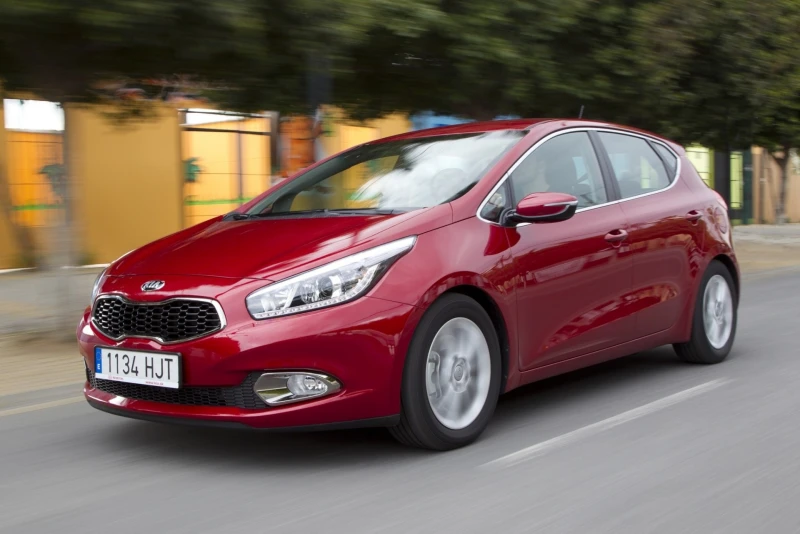
Interior materials hold up reasonably in mid-trim levels with partial leather, though lower dash plastics can develop creaks over time. Fabric seats pick up city grime easily, and faux-wood or piano-black trim scratches from keys or bags.
Maintenance complexity stems from the timing chain on gasoline engines (stretch possible after ~90,000–100,000 miles) and the diesel particulate filter (DPF) needing periodic cleaning or regen every 60,000 miles or so; automatic and DCT transmissions benefit from fluid changes every 40,000 miles. Parts availability is good nationwide, though some regions may face short waits for less common items.
Costs for bigger repairs — like a DCT clutch pack or T-GDI turbo — run noticeable but typical for the age: roughly $800–$1,500 depending on OEM vs. aftermarket.
Model Years and Versions — Red Flags to Check
Early 2012–2014 examples tend to show more issues with initial automatic transmission calibrations and electronics: occasional harsh shifts in the 6-speed auto around 60,000–90,000 miles, plus EGR soot buildup on 1.6 CRDi diesels tied to fuel quality. All-wheel drive was never offered, and early stability control calibration could lead to slightly faster tire wear.
Pre-facelift cars have heavier use of hard plastics, smaller 5-inch screens, and fewer driver aids (no lane departure warning in base trims). 2015–2018 facelift models received refined engines (1.6 CRDi up to 136 hp, better intake), smoother shifting, and expanded safety features like blind-spot monitoring.
Later technical tweaks strengthened the timing chain (less stretch past 120,000 miles) and optimized DPF behavior. Post-2015 automatic transmission control units proved more robust, reducing overheating complaints. On the used market, facelifted 2015+ versions generally offer lower risk thanks to these updates.
Used Market in the United States
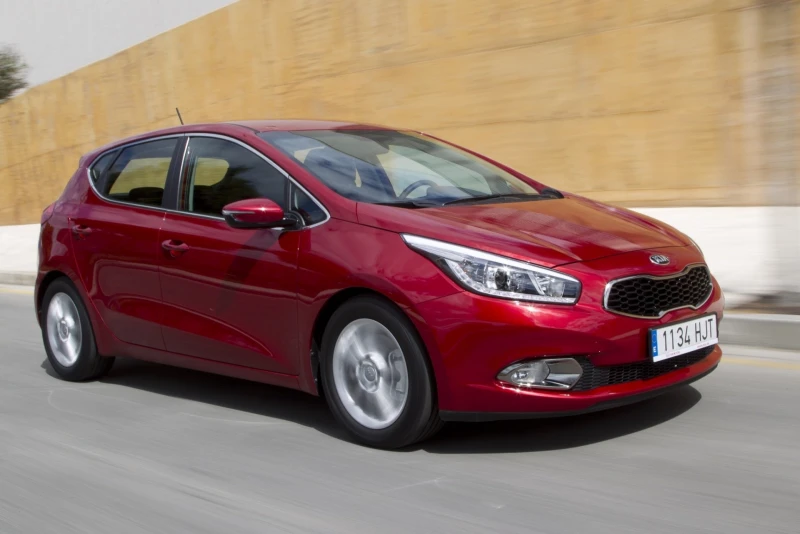
The second-hand market for the Kia Ceed II (often sold as Forte in some contexts, though primarily Ceed in global form) sees steady interest: as of early 2026, hundreds of 2015–2018 examples appear online with mileages typically 60,000–120,000 miles. Most are gasoline-powered imports or domestic equivalents, with diesels less common stateside; GT models remain somewhat rare.
Body condition varies with road exposure: galvanization holds up 10–12 years, but road salt in northern states accelerates rust on rockers, wheel arches, and underbody bolts — especially without prior undercoating. Humid coastal areas can worsen exhaust and suspension fastener corrosion.
Salt exposure hits imported units noticeably by 8–10 years. Service records are critical: look for documented transmission fluid changes and DPF maintenance. Check VIN for matching components; aftermarket infotainment swaps sometimes drop value 10–15%.
Mileage tampering occurs in 25–35% of imports; always run a vehicle history report and professional inspection. Typical asking prices for clean 2016–2017 1.6 CRDi or GDI examples fall in the $8,000–$12,000 range, with well-kept low-mile examples commanding more.
Fixable Issues and Budget for Solid Ownership
Most quirks of the Kia Ceed II respond well to targeted upgrades, keeping it appealing for budget-conscious buyers. Sound deadening is a popular mod: adding mats to doors and wheel wells can drop cabin noise 15–20%, usually a 1–2 day job.
Infotainment upgrades via aftermarket 8–9" screens with Apple CarPlay/Android Auto fix laggy navigation and connectivity. Worn interior trim or seats can be refreshed with quality replacements while retaining the OEM look.
Suspension refresh (bushings, shocks) addresses wear from rough roads; underbody rust protection via spray-on treatments helps longevity. Intake cleaning on GDI engines every 50,000 miles prevents carbon issues.
Budget guideline: plan 10–20% of purchase price for initial fixes depending on condition. Undercoating runs $300–$600, soundproofing $200–$500. For higher-mileage cars over 90,000 miles, budget $800–$1,500 for first major service including transmission inspection.
Final Thoughts and Buying Tips
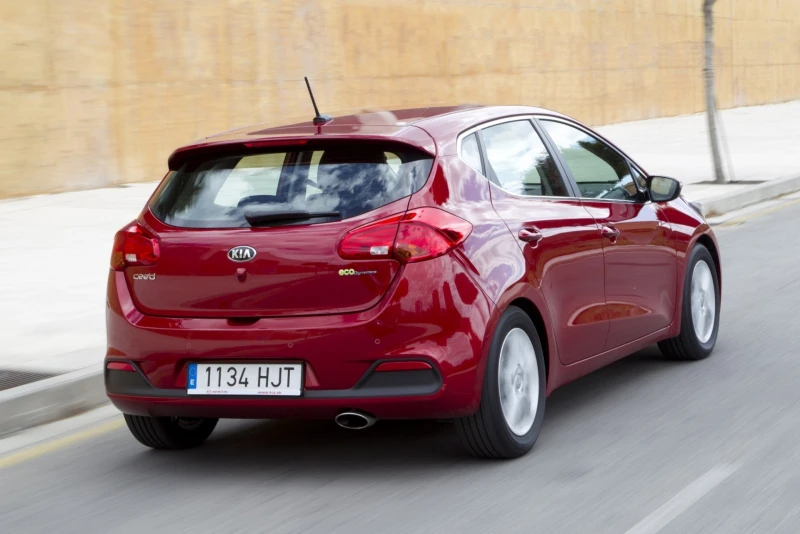
In 2026, the Kia Ceed II stands as a sensible used buy on the American market if you prioritize thorough inspection and verified history — ideal for city commuting on a budget under $12,000. Its compact size and modest running costs remain strong points, though transmission and body condition deserve close attention.
2012–2014 models need extra scrutiny due to earlier transmission software; 2015–2018 facelifts are the safer choice thanks to refinements. The sweet spot often lies with 1.6 CRDi diesels (where available) or efficient GDI gasoline versions paired with manual or well-maintained automatic in mid-to-high trims — delivering good economy, decent performance, and solid equipment without GT complexity.
During inspection and test drive, focus on: smooth automatic shifting (no jerks), cold-start engine noises (timing chain), body rust (sills, arches), suspension play (bushings, struts), and infotainment operation. A dealer or independent specialist diagnostic scan is essential to catch hidden issues.
With careful selection and preventive care, a used Kia Ceed can prove a dependable, low-drama daily driver.