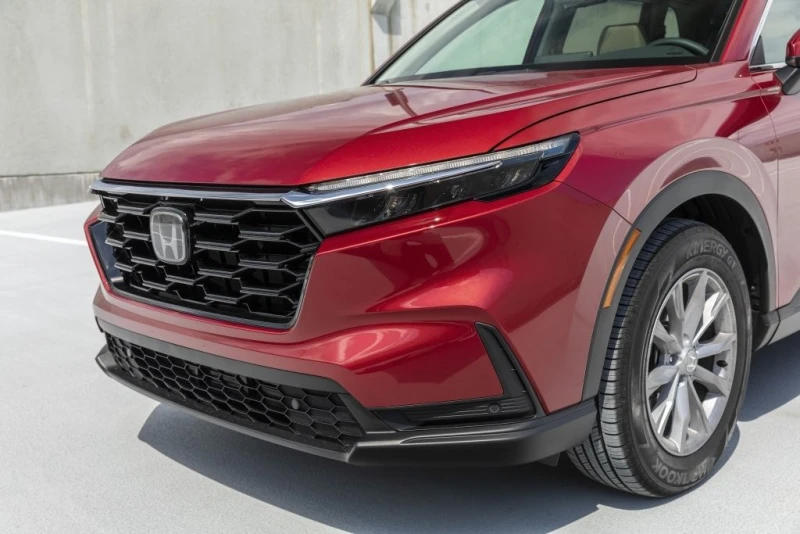
Despite its many strengths—like cutting-edge hybrid tech and a spacious cabin—owners point out certain quirks and drawbacks worth considering before purchase. This article dives into the main pain points of the Honda CR-V VI, including real issues reported for 2023–present models and key considerations when shopping for a used example on the US market. For full specs, powertrain details, and interior reviews, check our other articles in the series.
Key Drawbacks and Standout Features of the Generation
Owners of the Honda CR-V VI share feedback across US forums, review sites, and owner communities, highlighting several aspects that can affect daily driving. These observations draw from American, European, and global owner reports.
Real-world fuel economy often exceeds EPA estimates. For the e:HEV hybrid (204 hp), owners typically see 32–38 mpg combined, though aggressive driving or heavy city traffic can drop it by 3–5 mpg. The PHEV variant (204 hp) delivers excellent efficiency with regular charging, but without plugging in, it approaches figures similar to gas-only counterparts.
The infotainment system—featuring a 9–10.2-inch touchscreen—draws criticism for its occasionally confusing menu structure, especially in early software versions. Built-in navigation works well, but wired Android Auto and Apple CarPlay connections (standard in base trims) can experience lag. Dealer software updates generally resolve most complaints.
Cabin sound insulation falls short of premium-segment expectations. Road and tire noise become noticeable above 65 mph, particularly on rough pavement, and wind noise intrudes at highway speeds. Some owners report mild suspension vibrations entering the cabin, though post-2025 refresh updates improved the situation.
Interior materials in lower trims feature durable hard plastics in lower areas, which hold up well but feel less upscale. Higher trims with leather and accents offer better quality, though glossy trim pieces scratch relatively easily.
Service complexity stems from the hybrid components: accessing the battery pack and electric motors requires specialized tools and training. Parts pricing sits in the middle of the segment—suspension bits and filters remain affordable, but high-voltage PHEV components carry a higher cost.
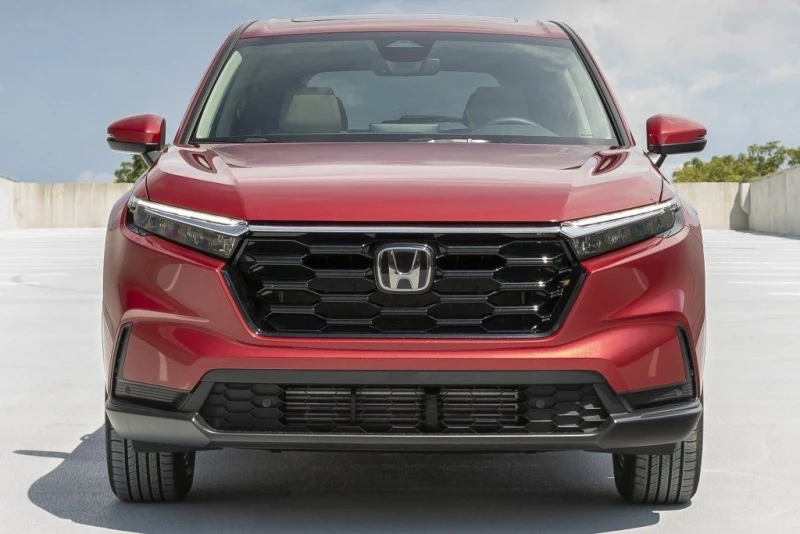
Model Years and Versions — What to Watch Closely
As the generation is still current, early 2023–2024 examples may show traits tied to initial calibrations. Owners of these early units more frequently mention firmer suspension tuning that transmits discomfort over bumps, plus occasional infotainment hesitations. Isolated reports of steering pull or noises appeared, but these remain uncommon.
Documented concerns include slight highway instability in crosswinds or at higher speeds (linked to suspension tuning) and infrequent false activations of Honda Sensing safety features. Non-widespread issues: accelerated tire wear due to Real Time AWD system characteristics and occasional injector concerns in the 1.5L turbo gas engine (less common in the US).
The 2025 refresh brought meaningful upgrades: softened suspension tuning (especially on TrailSport), smoother infotainment software, and better noise suppression. By 2026, hybrid calibrations further improved efficiency. In the US market, the e:HEV AWD hybrid remains a strong favorite over the PHEV, unlike some other regions.
Used Market in the United States
On the American used market in 2026, most Honda CR-V examples from 2023–2025 fall in the $30,000–$38,000 range depending on trim, mileage, and condition, with hybrids typically commanding a premium. Listings number in the thousands across major platforms, including both certified pre-owned and private sales.
Body condition varies with regional road quality and winter salt exposure: rock chips, underbody rust on wheel arches, sills, and floors can appear, especially in Rust Belt states. Thorough lift inspections are strongly advised.
A verified service history is critical—vehicles lacking clear dealer records may hide battery degradation in PHEV models or electronic gremlins. Part originality should be confirmed via VIN; aftermarket pieces appear in some gray-market imports and can affect long-term dependability.
Mileage tampering remains a risk, so cross-check with services like Carfax. Typical US-market examples include hybrids in mid-to-high trims with 15,000–40,000 miles. Cars from California or southern states often show less corrosion but may need infotainment language adjustments if originally from elsewhere.
What Can Be Fixed and Realistic Budget
Many reported quirks respond well to aftermarket or dealer fixes. Adding extra sound-deadening material to wheel wells, doors, and floor can noticeably reduce road noise. A dealer software flash often eliminates infotainment lag.
Worn interior trim or upholstery can be refreshed with OEM or quality aftermarket parts. Upgrading to post-refresh suspension components improves ride comfort over imperfections. Applying underbody rust protection helps in salt-heavy regions. Routine maintenance follows the standard schedule: oil/filter changes, plus hybrid battery health checks every 15,000–25,000 miles.
When buying used, budget 10–20% of the purchase price for initial fixes, detailing, and first service. For examples over 20,000 miles, expect $500–$2,000 to address typical wear items depending on scope.
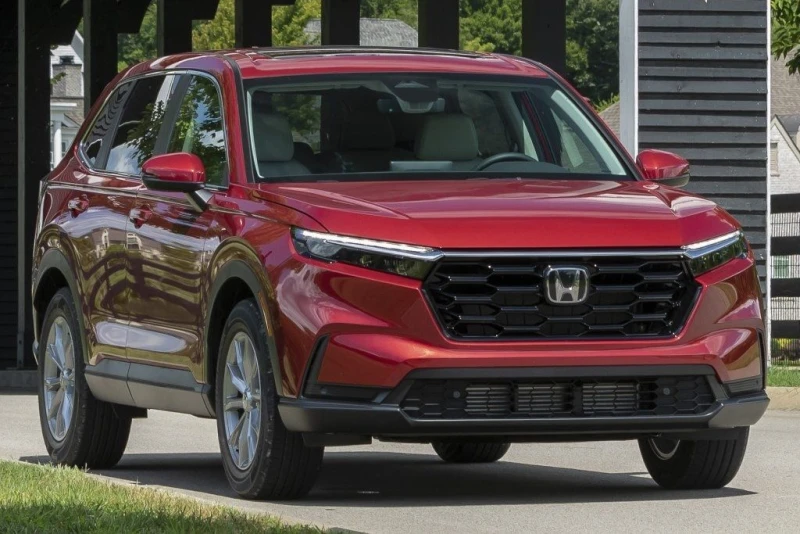
Conclusions and Buying Advice
In 2026 the Honda CR-V VI remains a compelling family crossover choice if you value efficiency, reliability, and modern tech. It stands out as a dependable alternative to mainstream competitors.
Post-2025 refresh models—especially e:HEV AWD (204 hp) with e-CVT or higher trims like Sport Touring—are the safest bets. The PHEV suits those with reliable home charging access.
For new purchases, confirm the latest software and noise package. On the used side, inspect suspension for unusual vibrations, test steering for any binding, check hybrid battery health, look for corrosion, and verify full service records. A thorough highway test drive reveals any stability quirks.
With sensible preparation and minor upgrades, the CR-V VI can be a smart, long-term ownership choice on the US market.