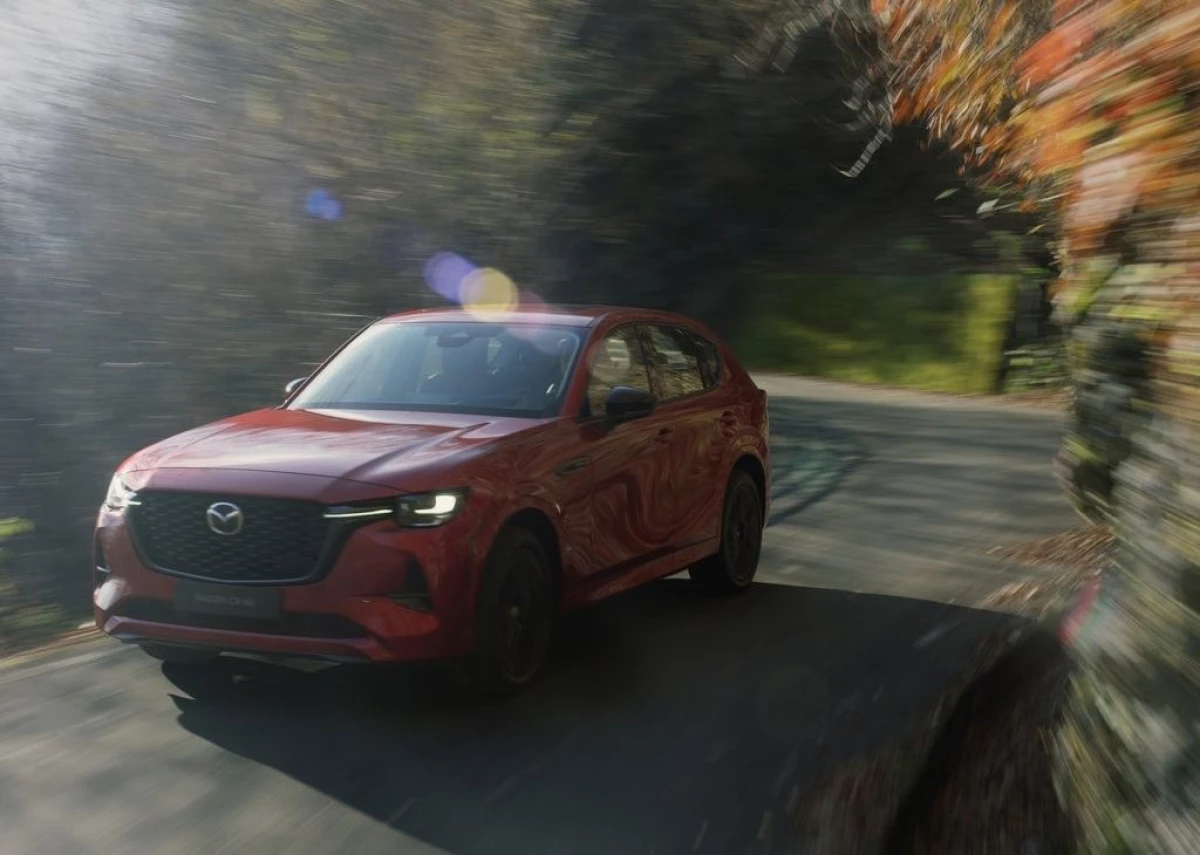




The model blends engaging driving dynamics with solid equipment levels, yet like any vehicle, it comes with owner-reported quirks gathered from U.S. forums, Reddit, and review sites like Edmunds. This article focuses on the main operational drawbacks and buying considerations for the Mazda CX-50 I.
Major Drawbacks and Standout Characteristics
Owners of 2022–present Mazda CX-50 models frequently mention a handful of recurring points in real-world reviews. These depend heavily on driving style, fuel quality, and maintenance habits—and don’t affect every vehicle equally.
Real-world fuel consumption on turbocharged Skyactiv-G 2.5 variants (227–256 hp) often hits 20–25 mpg in city driving, sometimes 1–3 mpg below EPA estimates, especially with spirited driving or constant AWD use. The naturally aspirated 2.5 (187 hp) is more consistent at around 24–28 mpg combined, while the mild-hybrid option (introduced around 2025) can add roughly 1–2 mpg on the highway.
The Mazda Connect infotainment with its 8.8–10.25-inch screen can show occasional lag when connecting Apple CarPlay or loading navigation, particularly in early builds (2022–2023). Dealer software updates usually resolve this, though not all imported or early units received them promptly. The rotary controller interface is precise but less intuitive for drivers used to full touchscreen systems.
Cabin noise insulation is decent for the segment, yet tire roar and wind noise become noticeable above 75 mph, especially pre-2025 models. The 2025 refresh brought acoustic glass and extra insulation for improvement, though off-road use still highlights suspension noise.
Interior materials hold up well in mid- and higher trims with soft-touch plastics and leather, but lower console plastics may develop creaks over time. Cloth seats show dirt easily, and wood-style trim can scratch from keys or phones, as noted in owner feedback on Reddit and Edmunds.
Maintenance specifics include Mazda’s recommendation for premium unleaded (91+ AKI) on turbo models and oil changes every 5,000 miles; the automatic transmission fluid should be serviced around 37,500 miles. U.S. dealer networks are widespread, keeping parts availability generally quick compared with import-heavy markets.
Replacement costs for components like the turbo or mild-hybrid 24V battery can run higher than average for the class—roughly $1,500–$3,000 depending on OEM vs. aftermarket—due to the platform’s engineering.
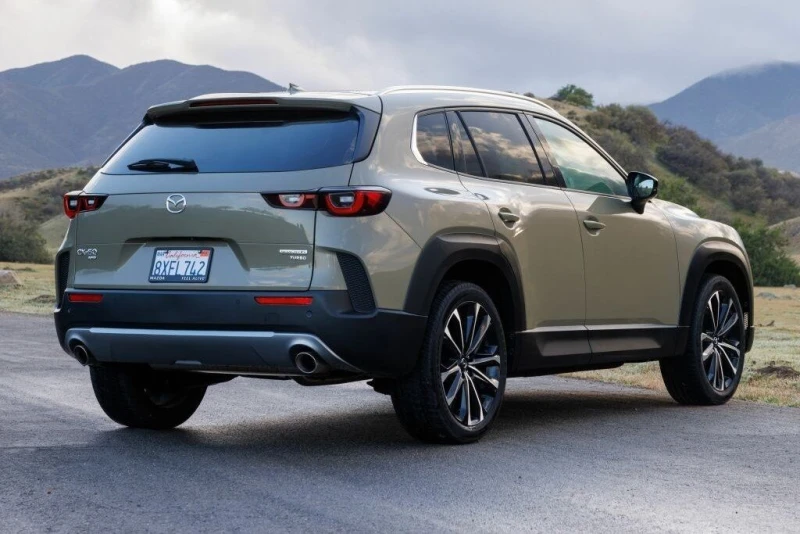
Model Years and Versions – What to Watch Closely
Early production years (2022–2023) show more reports of interior rattles (dash panels) and infotainment glitches (CarPlay delays) around 12,000–25,000 miles. Some mention exhaust heat soak or minor assembly issues like loose fasteners in forums dedicated to the CX-50.
Documented concerns include occasional false triggers of Forward Collision Warning and faster shock absorber wear around 30,000–45,000 miles due to the firm suspension tuning. Non-widespread issues involve turbo overheating in extreme heat (+95°F) during hard driving and paint chips on the hood from road debris.
The 2025 refresh addressed many early complaints: improved electronics stability, slightly softer suspension tuning (with optional adaptive dampers), and smoother shifts thanks to mild-hybrid assist. Post-refresh models (2025–present) show fewer noise and build-quality gripes according to Edmunds data and YouTube reviews.
Used Market in the United States
The used Mazda CX-50 market in the U.S. continues to grow. As of early 2026, listings on major sites show hundreds of 2023–2025 examples with 12,000–40,000 miles. New vehicles remain readily available through dealerships, with fresh stock often carrying full warranties.
Body condition varies with road exposure: galvanization lasts well for 3–5 years, but winter salt in northern states can start surface rust on rockers and wheel arches, especially without undercoating. Temperature swings (from below 0°F to over 100°F in some regions) and gravel highways contribute to paint fade and stone chips.
Salt exposure shows up faster on imports or neglected examples: underbody and exhaust rust by year 3–4 without protection. Service records are critical—prefer vehicles with documented U.S. dealer maintenance on transmission and turbo. Check VIN for original parts; 20–30% on the market may have aftermarket wheels or styling mods that affect resale value.
Odometer discrepancies appear in roughly 20–25% of cases, especially on higher-mileage units; always verify with Carfax or a full scan. Post-2025 models benefit from streamlined certification processes. Typical asking prices for clean 2024 Preferred Turbo AWD examples range $26,000–$32,000, with well-maintained units from southern or western states often commanding a premium.
Fixable Issues and Budget for Solid Ownership
Most CX-50 quirks are addressable, boosting long-term appeal. Upgrading sound deadening—adding mats to doors and wheel wells—can cut cabin noise by 10–15% over a weekend project.
Infotainment refresh via dealer flash or aftermarket module improves CarPlay response on the 10.25-inch screen. Worn interior trim pieces or upholstery are replaceable with compatible parts while keeping the factory look.
Suspension refresh (shocks, bushings) helps on rough-road examples; underbody rust prevention with aftermarket coatings is wise in salt-belt states. Follow Mazda’s 5,000-mile oil intervals and periodic turbo system cleaning.
Budget guideline: plan 10–20% of purchase price for initial upgrades and maintenance. Undercoating runs $400–$800 market average; sound deadening $300–$600. For vehicles over 25,000 miles, expect $800–$1,500 for first major service including transmission fluid.
Final Thoughts and Buying Tips
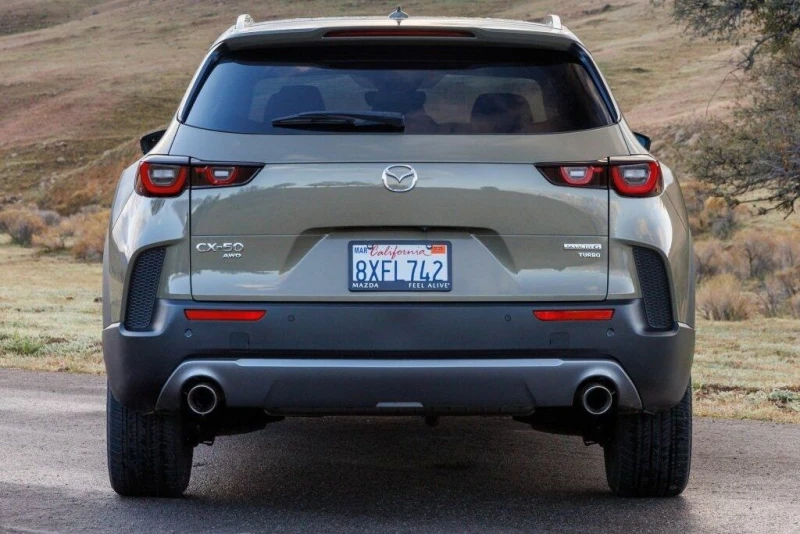
In 2026 the Mazda CX-50 I remains a compelling niche pick for enthusiasts wanting genuine off-road ability and engaging road manners, especially in the $25,000–$35,000 range for clean used examples with solid history. The turbo + AWD combination keeps it relevant, though thorough inspection is key.
Post-2025 refreshed versions with 2.5 Turbo and AWD in Preferred or higher trims offer the best balance of updates and fewer early-model complaints. New Signature trims shine with the panoramic roof; for used, target low-mileage 2024–2025 examples under 20,000 miles.
Before purchase—new or used—check for transmission smoothness on test drive, inspect rockers for corrosion, verify electronics (infotainment, driver aids), confirm mileage via VIN/Carfax, and review service records. A pre-purchase inspection by a Mazda specialist greatly reduces risk, particularly on turbo models.
A used Mazda CX-50 can be a smart, enjoyable choice with careful selection—proven durability hinges on maintenance and origin history.