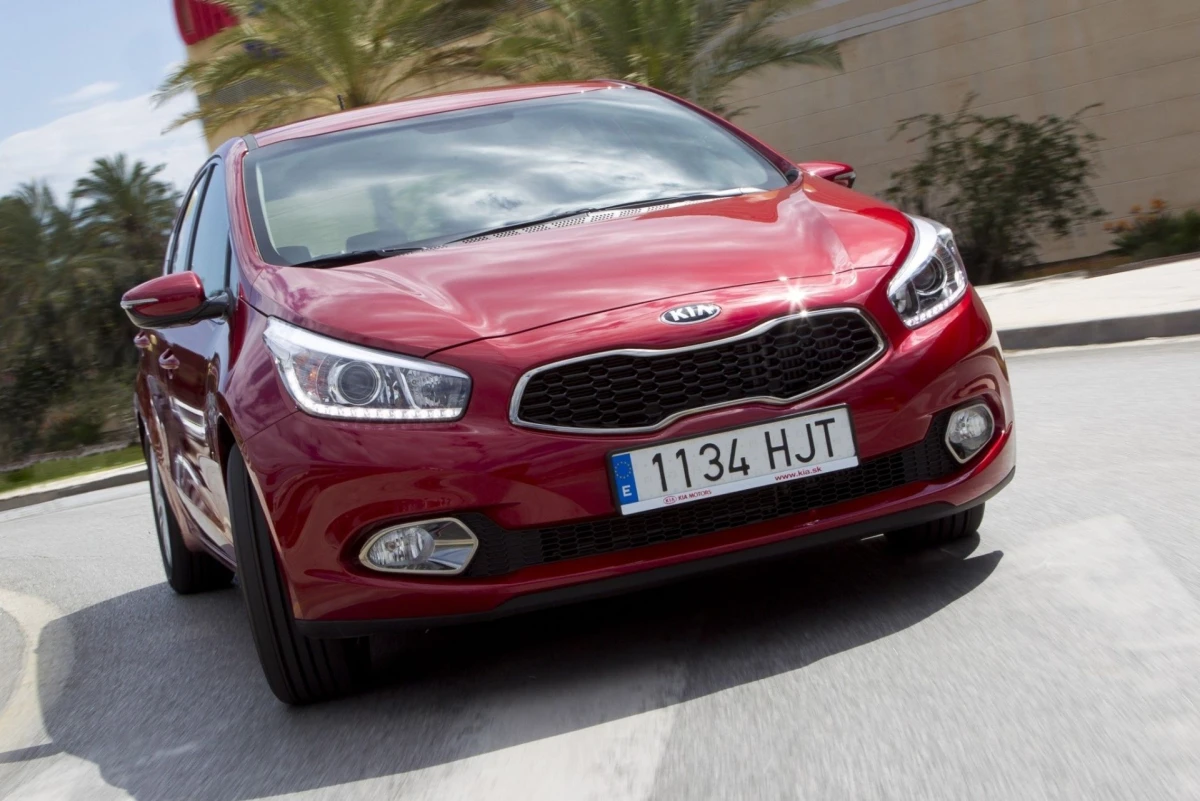




The model offers hybrid powertrains and generous equipment levels, yet like any vehicle, it comes with quirks reported by owners on forums and review sites. This article dives into the main pain points and considerations for the Kia Sorento IV when choosing and owning one.
Key Drawbacks and Generation-Specific Features
Owners of 2020–present Kia Sorento models frequently mention several recurring items in real-world reviews. These depend heavily on driving style, fuel quality, and maintenance habits, and don’t affect every vehicle equally.
On the 2.2 CRDi MHEV diesel (202 hp) versions, city fuel economy can hit 23–28 MPG, roughly 1–4 MPG below EPA estimates, especially when fully loaded or using AWD. The 1.6 T-GDI MHEV gasoline hybrids (227–230 hp) are more consistent at around 28–34 MPG combined in mixed driving but perform best on premium unleaded to keep the turbo happy. PHEV variants (261 hp) shine in electric-only mode (up to ~30 miles of range), with blended consumption often landing in the 25–35 MPG range when gasoline is used regularly.
The Kia Connect infotainment with its 10.25-inch screen can show occasional lag in navigation and Apple CarPlay/Android Auto connections, particularly on early 2020–2021 software builds; dealer updates typically resolve this, though not every used owner has kept them current. The touchscreen layout is user-friendly overall, but the jog dial for deeper menus can feel less intuitive compared to fully touch-based systems many drivers prefer.
Cabin sound insulation is solid for the class, but above 75 mph tire and wind roar become noticeable, especially on pre-2023 models. The 2023 refresh brought acoustic glass and extra damping materials that help, yet road imperfections still transmit some suspension noise on rough pavement.
Interior materials hold up reasonably in mid- and higher trims with soft-touch plastics and leather, but lower console plastics may develop creaks over time. Fabric seats collect urban dust more readily, and wood-style trim pieces can show scratches from daily use.
Maintenance complexity rises with the mild-hybrid setup, which calls for hybrid battery health checks around every 50,000 miles, plus turbo sensitivity to oil quality on gasoline engines; the DCT/automatic needs fluid changes every 35,000–40,000 miles. The US dealer network is widespread, though certain hybrid-specific parts may have 1–2 week wait times.
Replacement costs for items like the MHEV battery pack or AWD coupling can add up — roughly $1,200–$2,500 depending on OEM vs aftermarket — which aligns with typical hybrid crossover pricing.
Model Years and Versions – What to Watch Closely
Early builds (2020–2022) show more complaints about initial electronics glitches (screen freezes) and faster wear on stabilizer bushings around 35,000–50,000 miles due to firmer tuning. Some owners note slower hybrid system warm-up in very cold weather (below 15°F), usually fixed via software flash.
Documented issues include occasional parking sensor or power liftgate failures at 30,000–45,000 miles, plus rock chips on the hood paint. Less widespread are timing belt wear on gasoline engines past 60,000 miles and rare AdBlue system clogs (more Europe-specific).
The 2023 refresh addressed several concerns: electronics stabilized (smoother Kia Connect), suspension softened (with optional adaptive dampers), and the MHEV battery strengthened. Post-2023 models generally see fewer noise and infotainment gripes.
Used Market in the United States
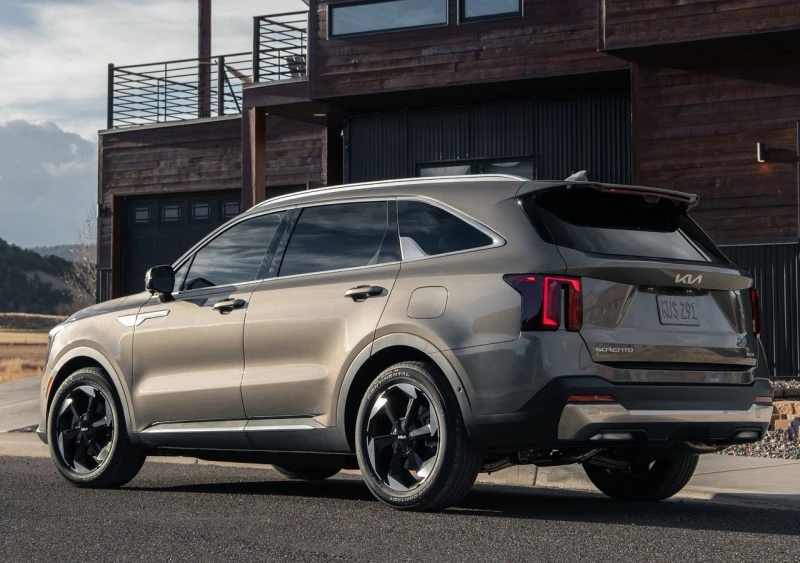
The pre-owned Kia Sorento IV market in the US is active: as of early 2026, thousands of 2021–2024 examples are listed nationwide (many on platforms like CarGurus, Autotrader, Cars.com), mostly with 25,000–60,000 miles. New units remain available at dealerships, and recent imports from other markets are less common.
Body condition varies with road exposure: galvanization lasts well 4–6 years, but road salt in northern states can start surface rust on rockers and wheel arches, especially without undercoating. Extreme temperature swings and highway gravel accelerate clear-coat fade and stone chips.
Salt corrosion shows earlier on out-of-state or high-mileage imports: exhaust and underbody hardware may rust by year 3–4 without protection. A clean service record is essential — look for documented DCT fluid changes and hybrid battery checks. Verify originality via VIN: 15–25% of used examples may have non-factory accessories or screens that affect resale.
Mileage tampering occurs in roughly 20% of cases, particularly with vehicles from certain import channels; always run a Carfax or similar report plus dealer scan. Post-2023 refreshed models often carry cleaner titles and fewer “gray market” risks. Typical asking prices for well-kept 2022–2023 Prestige/SX 2.2 MHEV AWD examples run in the $24,000–$32,000 range, with strong preference for clean US-spec or certified units.
What Can Be Fixed and Budget for Good Condition
Most quirks of the Kia Sorento IV respond well to targeted upgrades, boosting long-term satisfaction. Extra door and wheel arch sound deadening cuts high-speed roar by 10–15% and usually takes 1–2 days.
Infotainment refresh via dealer flash or upgrade to larger 12.3-inch screen with full wireless CarPlay compatibility eliminates most lag issues. Worn interior trim pieces and upholstery can be refreshed with quality aftermarket parts while keeping the look factory-fresh.
Suspension refresh (shocks, bushings) tackles wear from potholes; underbody rust protection via spray-on coating is highly recommended in salt-belt areas. Annual hybrid system diagnostics are advised.
Budget guideline when buying: set aside 8–15% of purchase price for immediate or near-term improvements depending on condition. Examples: undercoating ~$500–$900, sound deadening ~$400–$700. For vehicles over 50,000 miles, plan ~$1,000–$2,000 for first major service including DCT inspection and fluid services.
Conclusions and Buying Tips
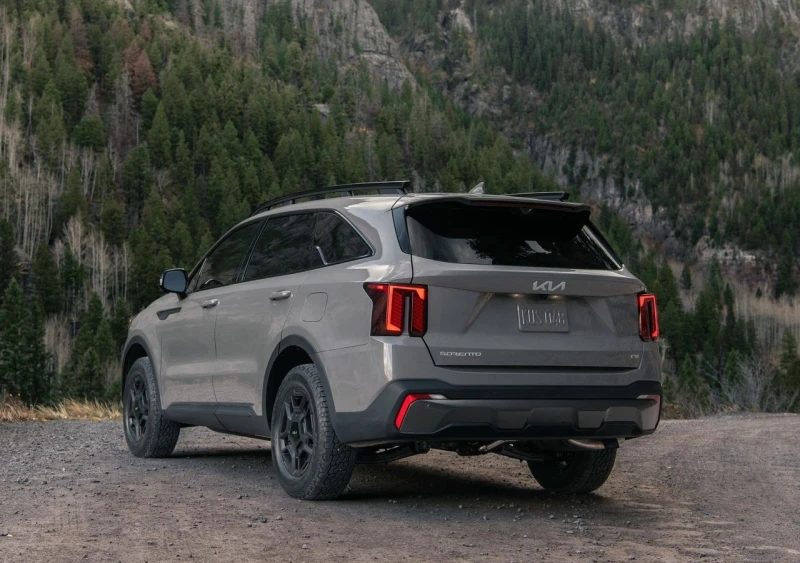
In 2026 the Kia Sorento IV remains a compelling family crossover choice on both new and used US markets, especially in the $25,000–$40,000 range with hybrid efficiency and strong feature content. The MHEV setup and equipment keep it competitive, though electronics warrant attention.
Post-2023 refreshed versions with 2.2 CRDi MHEV AWD in higher trims (SX, Prestige equivalent) offer the best balance of updates, quieter cabin, and fewer early complaints. For new purchases the top trims with panoramic roof stand out; on the used side prioritize low-mile 2024 examples.
When shopping new or used, always verify: DCT for any jerkiness (during test drive), body for rust (especially rockers), electronics (Kia Connect + hybrid functions), true mileage via VIN/Carfax, and proper operation of driver aids. A thorough dealer inspection greatly reduces risk, particularly on PHEV models.
With proper care and service history, a used Kia Sorento IV delivers solid reliability and family-friendly versatility.