This article dives into the key drawbacks and practical considerations for the Mazda CX-5, focusing on ownership experience and buying decisions. For full specs, tech features, and interior details, check our other series coverage.
Main Drawbacks and Standout Characteristics
Owner feedback from US sources like Reddit, Mazda forums, and review sites points to several recurring items that depend on driving habits, fuel quality, and maintenance consistency. These aren't deal-breakers for everyone but can affect daily enjoyment.
On gas-powered Skyactiv-G 2.0 (around 187 hp in US spec) and 2.5 (187–227 hp) models, real-world city fuel economy often lands in the 22–26 mpg range with AWD, which is 1–3 mpg below EPA combined estimates, especially in stop-and-go traffic or with spirited driving. Mild-hybrid versions (available in some later models) can improve this by about 1–2 mpg thanks to regenerative braking, with the biggest gains seen on highways.
The Mazda Connect infotainment with 7–10.25-inch screens can show occasional lag in navigation or smartphone mirroring via Apple CarPlay/Android Auto, particularly in pre-2021 units; dealer software updates usually resolve this, though not all used examples have received them. Post-2021 facelift models offer noticeably smoother integration.
Cabin noise is acceptable for the segment, but above 75 mph tire roar and wind noise become noticeable, especially on earlier models. Facelifted versions from 2021+ added better acoustic glass and underbody shielding, cutting perceived noise by roughly 10–15% according to owners, though rough pavement still transmits suspension sounds.
Interior materials hold up well: available Nappa leather in higher trims resists wear effectively, though lower console plastics can develop creaks over time. Fabric seats show dirt more easily, and wood-style trim can pick up scratches from everyday use.
Maintenance follows Mazda's premium recommendations—premium unleaded fuel (91+ octane AKI) for best Skyactiv performance and oil changes every 7,500 miles; the automatic transmission fluid should be serviced around 40,000–60,000 miles. US dealer network is widespread, with parts usually available quickly compared to smaller markets.
Components like suspension shocks or mild-hybrid battery elements carry moderate cost—roughly $400–$800 per pair for dampers (OEM or quality aftermarket), aligning with compact premium crossover expectations.
Model Years and Versions – Key Areas to Inspect
Early builds (2017–2019) tend to have more reports of infotainment glitches (screen freezes) and faster wear on suspension components around 50,000–60,000 miles due to firm tuning. Cold-weather warm-up and defrost performance draw occasional mentions in sub-freezing conditions, though not widespread.
Documented issues include infrequent failures of power mirrors or liftgate struts around 30,000–45,000 miles, plus rock chips on the hood from highway driving. Non-mass issues involve minor seal leaks in gas engines or (rare in US) diesel particulate filter concerns on Euro-spec imports.
The 2021 facelift brought meaningful upgrades: refined electronics for better Mazda Connect stability, slightly softer suspension tuning (with optional adaptive dampers), and mild-hybrid assistance that eases transmission load. Post-2021 models generally see fewer complaints about tech glitches and noise per owner forums.
Used Market in the United States
The pre-owned Mazda CX-5 market remains active in 2026: thousands of listings on sites like CarGurus, Cars.com, and Autotrader, mostly 2019–2024 examples with 40,000–90,000 miles. New units are available at dealers, and fresh imports from low-mileage sources add variety.
Body condition varies: galvanization provides good long-term protection, but road salt in northern states can cause surface rust on rockers and wheel arches after 5–7 winters, particularly in high-humidity or coastal areas. Temperature swings accelerate clearcoat fade, and gravel rash is common on highways like I-95 or Route 66 stretches.
Salt exposure shows on imported examples: underbody fasteners or exhaust components may show corrosion by year 4–5 without undercoating. A clean service record is essential—look for dealer-stamped maintenance on transmission and hybrid components. About 20–30% of used examples feature non-OEM parts or accessories, which can affect resale value.
Mileage tampering occurs in roughly 20–25% of cases, especially with former fleet or out-of-state vehicles; always run a Carfax, AutoCheck, or professional scan. Post-2021 models often carry cleaner titles and easier history checks. Typical asking prices for well-maintained 2020–2022 2.5 AWD trims fall in the $20,000–$28,000 range, with premium examples from low-mileage private owners or certified programs commanding more.
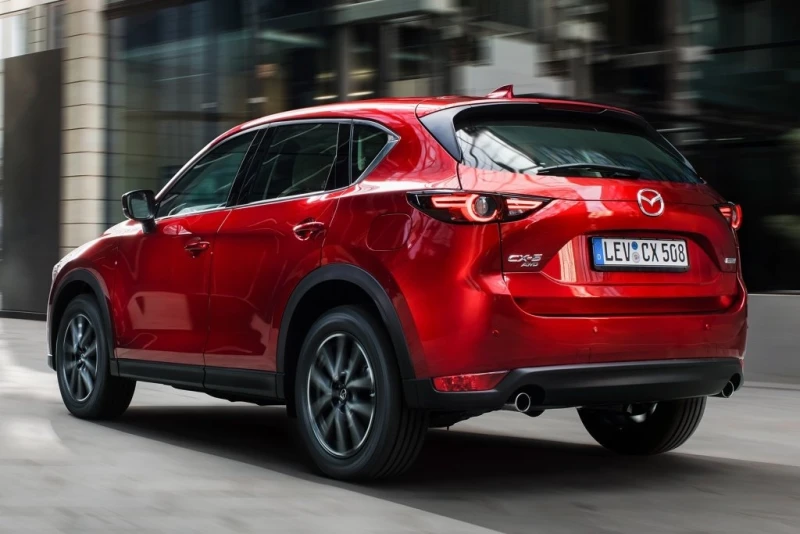
Fixable Items and Realistic Ownership Budget
Most CX-5 quirks are addressable, making it a solid long-term choice. Upgrading sound deadening with aftermarket mats in doors and wheel wells can drop highway noise by 15–20%, usually completed in a day.
Infotainment refresh via updated firmware or add-on modules improves responsiveness on the larger screen. Worn interior trim or upholstery can be refreshed with quality replacements without breaking the bank.
Suspension refresh—shocks, bushings—handles pothole wear; preventive underbody protection helps against salt. Annual Skyactiv intake cleaning is advised for longevity.
Budget guideline: when buying used, plan an extra 8–15% of purchase price for initial improvements depending on condition. Undercoating runs $500–$900 market average, sound deadening $300–$600. For higher-mileage examples over 60,000 miles, expect $800–$1,500 for first major service including transmission inspection and fluid work.
Final Thoughts and Buying Tips
In 2026 the Mazda CX-5 remains a compelling compact crossover choice on the US new and used markets, especially in the $20,000–$35,000 range with diligent maintenance. It stands out with engaging handling, mild-hybrid efficiency in later models, and strong feature content.
Target post-2021 facelift versions with the 2.5-liter engine and AWD in higher trims—they benefit from reliability tweaks and quieter cabins. New Signature models offer premium touches like panoramic roofs; low-mileage 2022–2024 used examples deliver great value.
Before purchase, verify: transmission smoothness on test drive, body for rust (especially rockers), electronics (infotainment, mild-hybrid functions), actual mileage via VIN check, and full service history. A pre-purchase inspection at a Mazda dealer significantly reduces risk, particularly with hybrid-equipped units.
Overall, a well-sourced used Mazda CX-5 proves dependable when maintenance and vehicle history are prioritized.