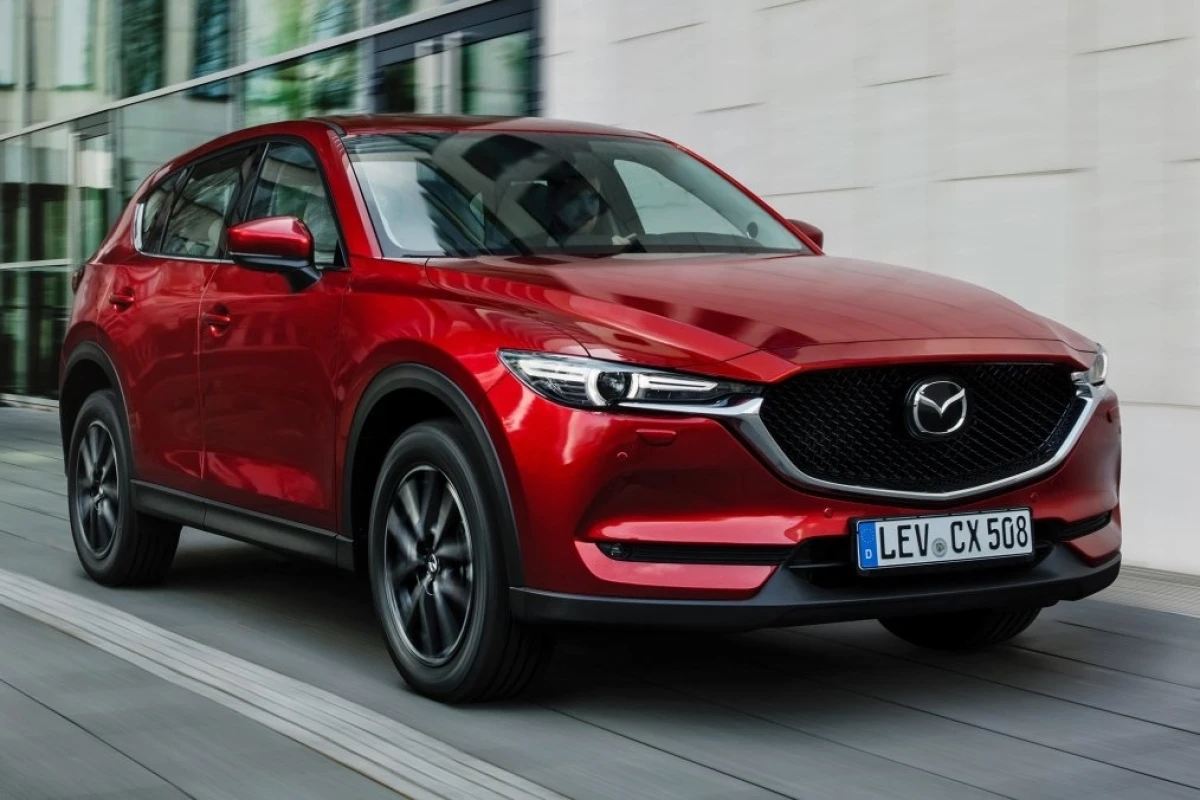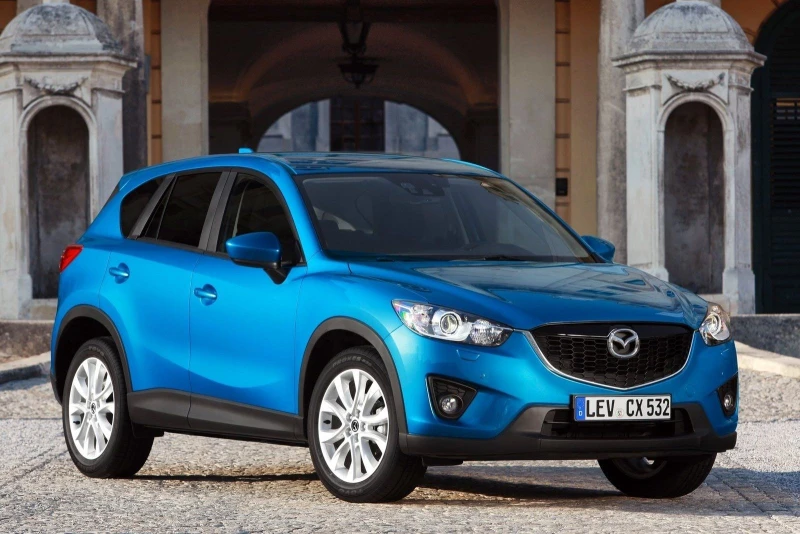
Like any used model with mileage, however, it comes with certain characteristics reported by owners on platforms like Cars.com, Autotrader, and forums. This article dives into the main Mazda CX-5 I drawbacks related to ownership and buying decisions. For a full overview of the generation, specs, and interior, check our other series articles.
Key Drawbacks and Generation Features
Owners of the 2012–2017 Mazda CX-5 frequently mention several recurring points in real-world reviews. These depend heavily on driving conditions, fuel quality, and maintenance regularity — not every vehicle will show all of them.
Fuel economy on Skyactiv-G 2.0 gasoline versions (155–184 hp) in city driving often hits 20–22 mpg, which is 2–4 mpg below EPA estimates, especially with frequent stops or AWD models. Skyactiv-D 2.2 diesels are thriftier at around 28–32 mpg combined, but they demand high-quality fuel to prevent diesel particulate filter (DPF) clogging.
The infotainment system with a 5.8–7-inch screen can feel sluggish in navigation response and has limited smartphone compatibility by 2026 standards; software updates were dealer-only and often skipped on used examples. Native Apple CarPlay or Android Auto support is absent, making the system dated today.
Cabin sound insulation is decent for the class, but above 75 mph you’ll notice tire roar and wind noise, particularly on pre-2015 models. Post-2015 improvements with added materials helped, though wheel-arch noise remains noticeable on rough pavement.
Interior material quality is strong overall: leather in mid-trims holds up well, but hard plastics on the lower dash can develop creaks over time. Cloth seats show dirt easily, and door handles wear from frequent use.
Maintenance complexity stems from the high-compression Skyactiv engines, which require premium unleaded fuel and strict service intervals; the automatic transmission needs fluid changes every 40,000 miles or so. Dealer access for Mazda parts exists nationwide, but wait times can vary in remote areas.
Costs for items like ignition coils on gas engines or DPF replacements on diesels stand out — roughly $300–$600 for a set, depending on OEM vs. aftermarket — higher than average for the segment.
Model Years and Versions — What to Watch Closely
Early years (2012–2014) tend to have more issues due to initial engine and electronics tuning. These models more often report ignition coil failures on the Skyactiv-G 2.0 after 50,000–60,000 miles and DPF problems on 2.2 diesels from lower-quality fuel. The i-Activ AWD system in early versions had less precise torque-vectoring electronics, leading to faster clutch pack wear.
Pre-facelift models feature fewer driver aids (no adaptive cruise in base trims) and heavier use of hard plastics with the smaller 5.8" screen. 2015–2017 models got refined engines (Skyactiv-G up to 184 hp, diesel up to 175 hp with twin-turbo in some markets), smoother-shifting automatic, and expanded i-Activsense suite (blind-spot monitoring, lane-keep assist).
Later technical updates included stronger timing chains on gas engines (less stretch past 100,000 miles) and optimized exhaust aftertreatment on diesels. Transmission control modules became more robust after 2015, reducing overheating risks. On the used market, post-facelift 2015–2017 versions are preferred to minimize potential issues.
Used Market in the United States
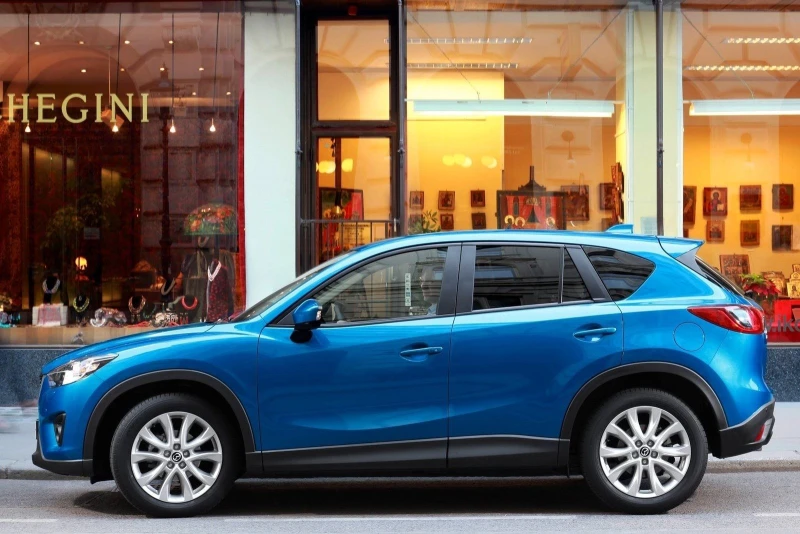
The used Mazda CX-5 market in the US is very active: as of early 2026, thousands of listings appear on sites like Cars.com, Autotrader, and CarGurus, mostly 2014–2017 models with 75,000–125,000 miles. Most are gasoline-powered imports from various states or Canada; diesels are rarer but sought after for highway use.
Body condition varies with road exposure: galvanized protection lasts 7–10 years, but road salt in northern states accelerates rust on rockers, wheel arches, and underbody. Wet climates in coastal or western regions can worsen this if no extra undercoating was applied.
Salt damage shows on imported or northern examples: suspension bolts and exhaust components often show corrosion by 5–7 years. Service history is critical — look for dealer records showing regular transmission fluid changes and DPF maintenance. Check VIN for originality: aftermarket body kits or infotainment swaps can drop value by 10–15%.
Mileage tampering occurs (often 20,000–30,000 miles shaved), especially on out-of-state cars; always verify via Carfax or professional scan. Post-facelift 2015+ models usually face fewer import quirks. Typical asking prices for well-kept Supreme/Grand Touring 2.0 gas AWD examples range from $10,000–$16,000, depending on condition and region.
What Can Be Fixed and Budget for Solid Condition
Most CX-5 I quirks are fixable, making it appealing for buyers willing to invest a bit. Sound deadening upgrades (extra mats in doors, arches, and floor) cut noise by 15–20% and take 1–2 days.
Infotainment refresh via aftermarket 8–9" screens with CarPlay/Android Auto modules solves compatibility woes. Worn interior trim or upholstery can be refreshed with quality replacements while keeping the look factory-fresh.
Suspension refresh includes struts, bushings worn from potholes; rust prevention with underbody coating. Routine service like intake cleaning on diesels or timing chain on gas models is advised every 40,000–50,000 miles.
Budget guideline: plan 10–20% of purchase price for initial fixes. Examples: underbody rustproofing runs $400–$800, sound deadening $300–$600. For higher-mileage cars over 100,000 miles, budget $800–$1,500 for first major service including transmission and driveline checks.
Conclusions and Recommendations
In 2026, the Mazda CX-5 I remains a smart used buy on the American market with careful inspection and verified history — ideal for drivers wanting a fun-to-drive compact crossover in the $10,000–$16,000 range. Its Skyactiv reliability and sharp handling keep it relevant, though fuel system and body attention are key.
2012–2014 models need extra scrutiny due to early-engine tuning; 2015–2017 post-facelift versions are the safer choice thanks to refinements. The sweet spot is often the gasoline 2.0 (up to 184 hp) with 6-speed automatic and AWD in higher trims — blending efficiency, performance, and features without diesel complexities.
During inspection and test drive, check: automatic transmission smoothness (no harsh shifts), timing chain noise on cold start, body for rust (rockers, arches), AWD clutch operation, and electronics (infotainment, driver aids). A Mazda-certified dealer diagnostic is worth it to catch hidden issues early.
With the right approach — prioritizing maintenance records and prevention — a used Mazda CX-5 can prove to be a dependable, enjoyable choice.