


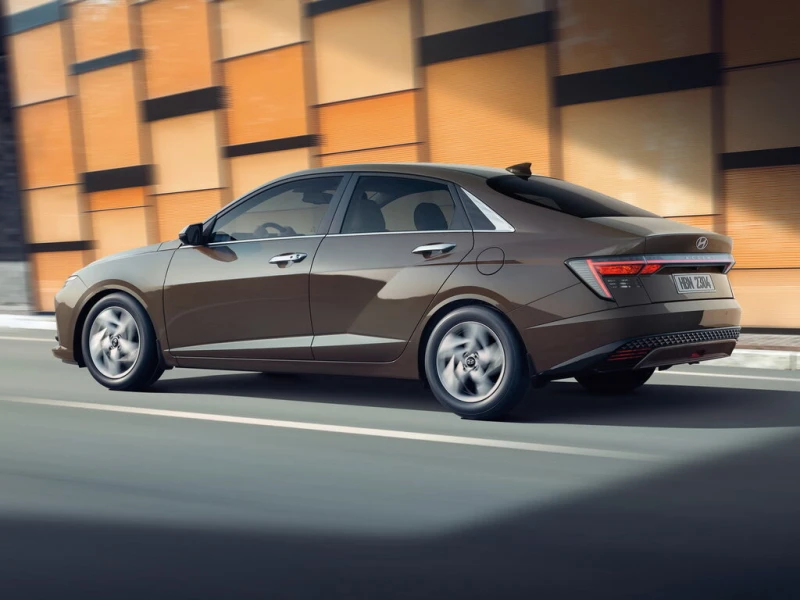
The 2023–present Hyundai Accent faces various system-related complaints, from performance feel to electronics. Used examples on the American market need careful inspection given the model's relative newness and import considerations in some cases. This article highlights key points drawn from owner reviews and service data. For full specs, tech details, and interior photos, check our other series coverage.
Main Drawbacks and Generation Highlights
Owners of the Hyundai Accent BN7 point out several traits that affect daily driving. Real-world fuel economy for the common 1.5 MPI CVT version typically runs 25–32 mpg combined according to US owner reports, which aligns with expectations for a subcompact sedan but can drop in heavy traffic or aggressive driving. Turbo 1.5 T-GDi variants (less common in the US) tend to see 22–28 mpg combined.
Infotainment and navigation features include an 8–10.25-inch touchscreen with wired Apple CarPlay and Android Auto support, though some reviews mention occasional software glitches like interface lag or spotty wireless connectivity. Factory navigation works adequately but many US drivers prefer smartphone apps for better accuracy on local roads.
Cabin noise insulation rates as average: road and tire noise become noticeable above 60–65 mph, and minimal extra soundproofing in the trunk area amplifies rear wheel hum. This stands out more on rough pavement or highways.
Interior material quality varies by trim: base models use harder plastics prone to scratches, while higher trims add soft-touch surfaces and synthetic leather. Some owners report wear on console plastics or trim pieces after 12,000–25,000 miles.
Electronics and diagnostics can be trickier: full scans often require dealer-level tools. Parts availability for certain imported variants may vary, though most common items remain reasonably priced with aftermarket options widely available across the US.
Model Years and Versions — What to Inspect Closely
As a newer generation, early 2023 builds show some specific traits. Reports mention firmer-than-expected suspension tuning leading to a busier ride over bumps, plus occasional infotainment delays. A few owners note slightly higher fuel use in very cold weather with the 1.5 MPI, though not widespread.
Documented issues include occasional false activations of lane-keeping assist or firm suspension feel on potholes. These aren't universal but appear in forums and service logs.
2024–2025 updates brought better software stability for the infotainment, added sound-deadening in select areas, and slightly softer suspension tuning in some trims. The US market primarily sees the 1.5 MPI with IVT/CVT (improved over traditional CVT feel), while some imported units may carry 1.0 turbo variants needing fuel compatibility checks. Diesel options aren't offered in the US.
Used Market in the United States
Used 2023+ Hyundai Accent BN7 examples remain somewhat limited due to the model's age — most are low-mileage trade-ins or regional sales rather than heavy imports. Condition varies with road exposure: rough surfaces can stress suspension components and chip paint, while winter salt in northern states accelerates underbody corrosion without added protection.
Salt and road chemicals impact untreated underbodies, so undercarriage checks are essential. Service records matter greatly: dealer-maintained examples tend to have fewer surprises compared to higher-mileage or out-of-network units.
Verify trim and equipment via VIN: some features or calibrations may differ slightly by original market. Mileage is usually accurate given the age, but a professional scan and history report are recommended.
Typical offerings include 1.5 MPI CVT models in SE, SEL, or Limited trims. Approximate market range for 2023–2024 low-mileage used examples falls around $14,000–$18,000 depending on condition, mileage, and location (Orientative used market price for the United States).
What Can Be Fixed and Realistic Budget
Many Accent BN7 quirks respond well to moderate upgrades. Adding aftermarket sound-deadening to wheel wells and doors noticeably cuts road noise. Infotainment stability often improves via software updates or minor module additions.
Replacing worn interior trim pieces or upholstery is straightforward through aftermarket or salvage sources. Suspension refresh — shocks, bushings — becomes relevant after 20,000–30,000 miles on average US roads. Underbody rust prevention with protective coatings helps in corrosion-prone regions.
Following the CVT fluid change interval (around 30,000–40,000 miles in severe conditions) helps long-term reliability. When buying used, budget an extra 5–10% of the purchase price for inspection, fluid services, minor fixes, and any desired improvements to reach solid condition.
Final Thoughts and Buying Tips
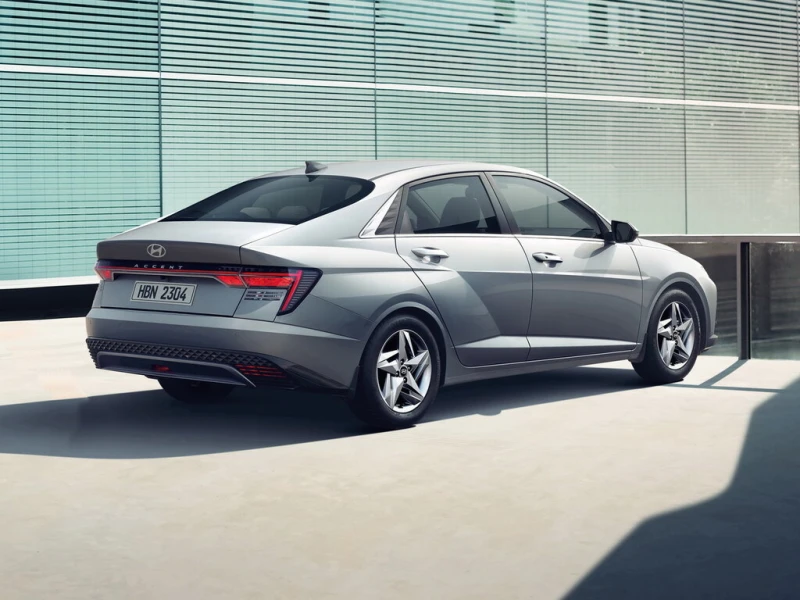
In 2026, the Hyundai Accent VI (BN7) remains a solid pick in the budget-friendly subcompact class for urban commuting with up-to-date features. It delivers good value and everyday usability, though buyers should verify condition carefully.
Look for 2024–2025 examples with the 1.5 MPI CVT for the most straightforward ownership. Turbo options add pep but may need closer attention to maintenance.
For new purchases, opt for trims with enhanced sound packages if quietness matters. On the used side, inspect for underbody corrosion, test electronics and driver aids thoroughly, evaluate suspension on a test drive, and review full service and ownership history.