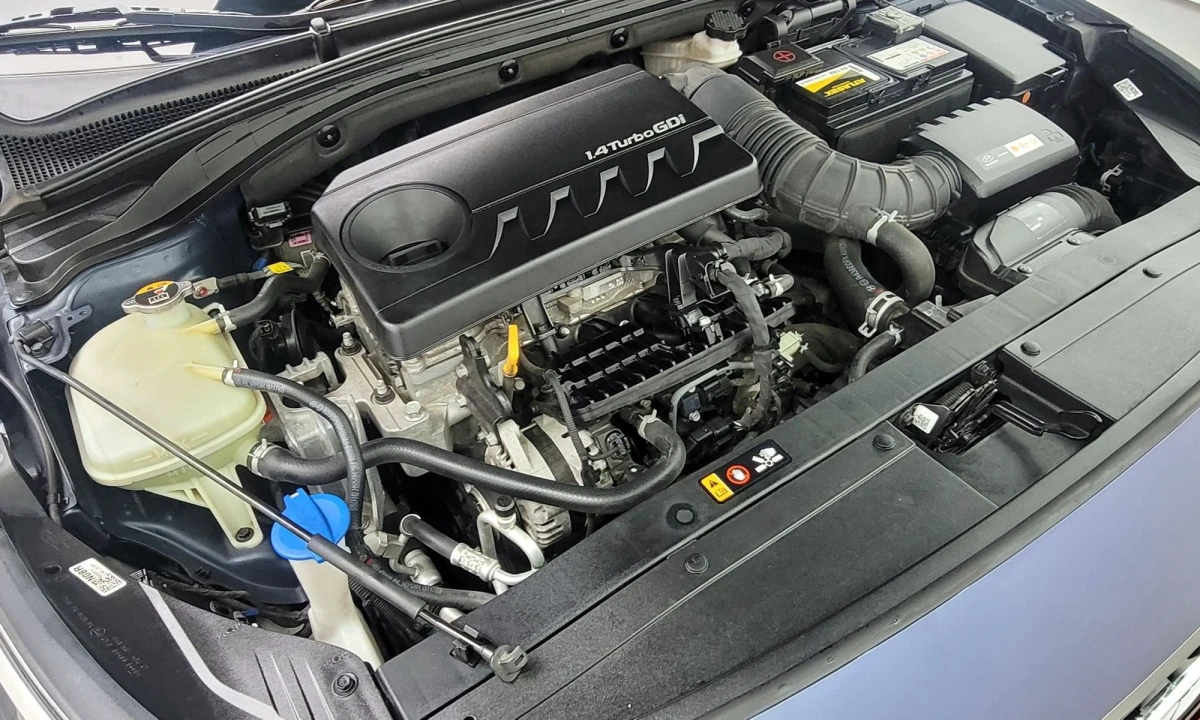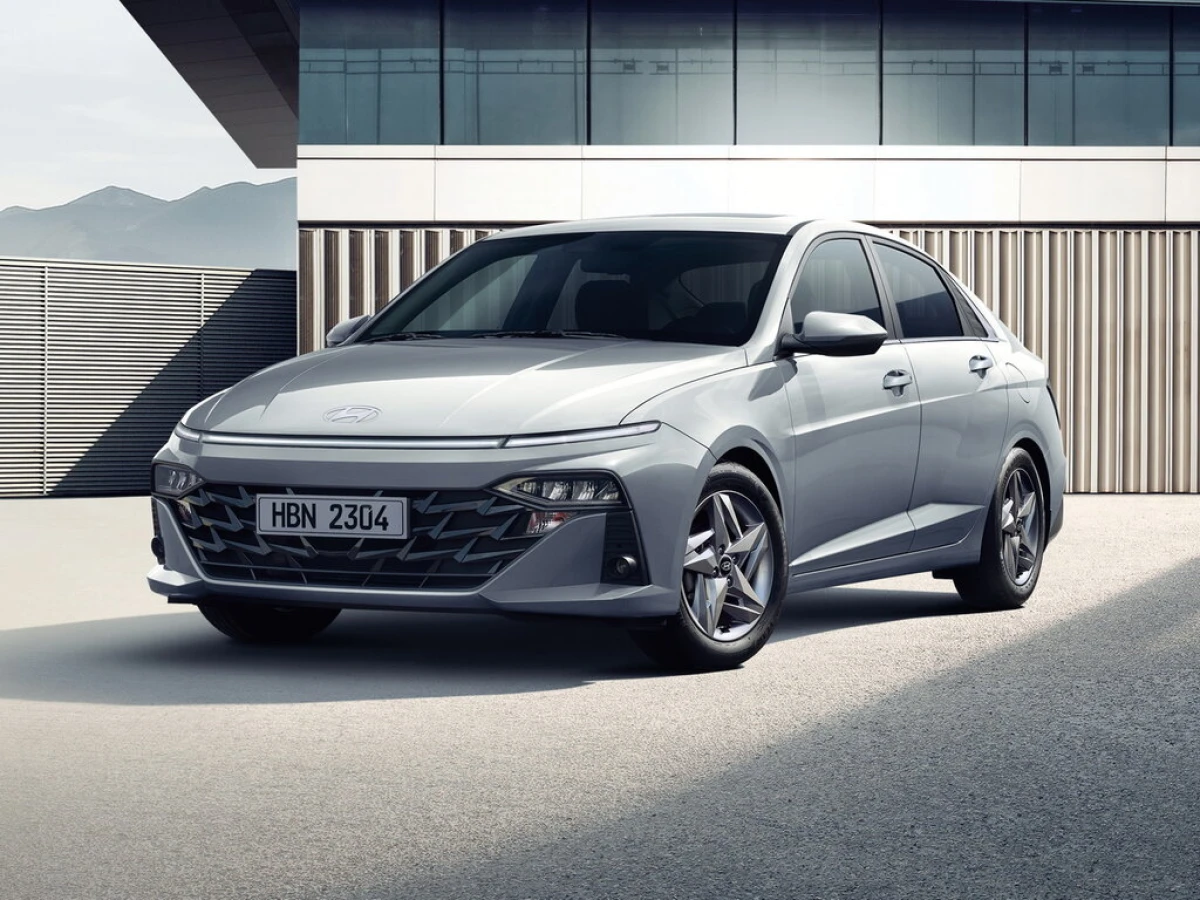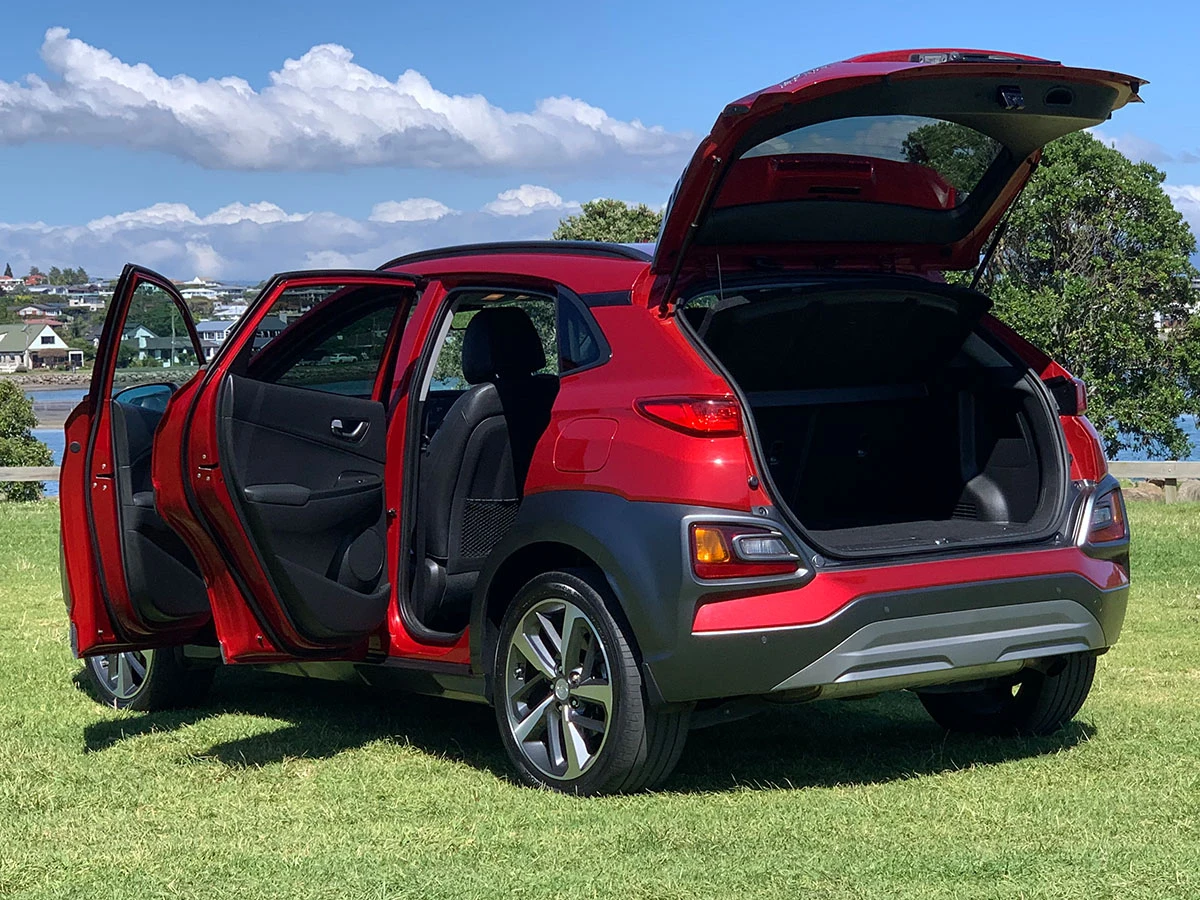



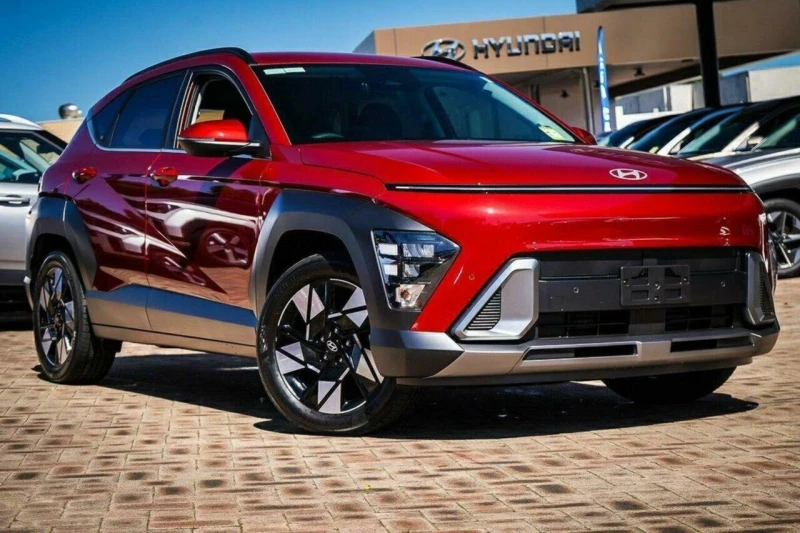
Engines and powertrains in the Hyundai Kona 2023–present vary significantly by market. In the United States, the focus is on gasoline engines — a naturally aspirated 2.0L and a turbocharged 1.6L — plus the Kona Electric with strong range and performance. North American models commonly feature available HTRAC all-wheel drive and meet strict US emissions and safety standards. Styling, interior, trim packages, and known issues are covered in separate articles in this series.
Engines and Transmissions
The US-market second-generation Kona (SX2) offers three main powertrain families: gasoline (with and without turbo), hybrid, and fully electric. Diesel engines are not offered. All-wheel drive (AWD) is widely available on most gasoline and hybrid trims, making it far more common than in many other markets.
Here are the primary powertrains available in the US from 2023 onward:
| Engine Type | Displacement | Horsepower | Engine Code | Transmission | Drivetrain | Notes / Availability |
| Gasoline (Naturally Aspirated) | 2.0 L | 147 hp | Smartstream G2.0 MPI | CVT | FWD / AWD | Base engine; widely available across trims |
| Gasoline Turbo | 1.6 L | 190 hp | Smartstream G1.6 T-GDi | 7-speed DCT | FWD / AWD | N Line & higher trims; strong performance |
| Hybrid | 1.6 L | 139 hp (system) | Smartstream G1.6 GDi HEV | 6-speed DCT | FWD / AWD | Excellent fuel economy; electric motor ~32–44 kW |
| Electric | — | 201–201 hp (RWD) / up to 320 hp (AWD in some configs) | Electric motor(s) | Single-speed reduction gear | RWD / AWD | 64.8 kWh battery standard; strong US availability |
The most popular combinations in the US include the 2.0L + CVT (especially in base and mid trims), the 1.6T + 7DCT in sportier models, and the Hybrid for best fuel efficiency. The Kona Electric continues to gain traction with its competitive range and fast charging.
Dimensions & Weight
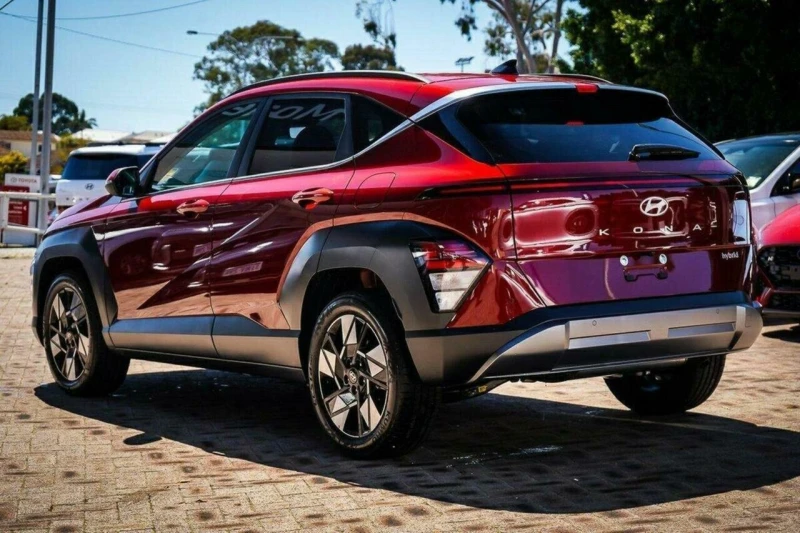
Dimensions of the Hyundai Kona SX2 are largely consistent across versions, with minor differences for N Line styling and electric models. Ground clearance typically ranges from 6.7–8.3 inches depending on tires and suspension setup — suitable for light off-road use and poor road conditions common in many US regions.
| Specification | Value | Notes |
| Length | 171.3–172.6 in | Longer on N Line models |
| Width | 71.9 in | Excluding mirrors |
| Height | 62.4–62.6 in | Varies slightly by wheels & trim |
| Wheelbase | 104.7 in | Consistent across all versions |
| Curb Weight | 2,900–4,000 lbs | ~2,900–3,400 lbs gas/hybrid; higher for EV |
| Gross Vehicle Weight | 4,100–4,800 lbs | Depends on configuration |
| Cargo Volume | 25.5–63.7 cu ft | With seats folded |
| Fuel Tank Capacity | 12.4–13.2 gal | Smaller on hybrid models |
These dimensions make the Kona one of the more spacious subcompact crossovers in its class, especially with the second-row seats folded.
Updates by Year & Mid-Cycle Refresh
The SX2 generation remains current. From 2023 to 2025, updates were incremental: improved infotainment software, driver-assist refinements, and suspension tuning for better ride comfort. A significant refresh occurred for the 2025 model year with updated styling, larger battery options for the EV, and powertrain efficiency improvements.
- Expanded AWD availability across more trims;
- Introduction of new color and wheel options;
- Enhanced connectivity and over-the-air update support;
- Improved regenerative braking calibration on hybrid and EV models.
As of 2026, the lineup emphasizes the hybrid and electric variants for maximum efficiency, while the turbo 1.6L remains popular for performance-oriented buyers.
Driving Experience & Technical Notes
The 2.0L naturally aspirated engine is smooth and reliable, ideal for daily commuting. The 1.6T offers noticeably better acceleration and is preferred for highway merging and spirited driving. The hybrid delivers excellent real-world fuel economy — frequently in the mid-40s MPG combined — while the Electric version provides instant torque and one-pedal driving feel.
EPA-estimated fuel economy (2024–2025 models):
- 2.0L CVT — 29–30 city / 34–35 hwy / 31–32 combined MPG;
- 1.6T 7DCT — 26–28 city / 32–34 hwy / 29–30 combined MPG;
- Hybrid — 47–53 combined MPG (AWD slightly lower);
- Electric — 110–130 MPGe combined, 260–300 miles EPA range depending on wheel size.
The 7-speed dual-clutch transmission is quick-shifting but can feel hesitant in stop-and-go traffic unless driven assertively. The CVT in the 2.0L is smooth and efficient for everyday use. AWD adds confidence in rain and light snow but increases fuel consumption by ~2–3 MPG.
Parts availability is excellent through Hyundai’s widespread US dealer network. Routine maintenance items are affordable, while major components (transmissions, high-voltage battery) fall in the $1,500–$5,000 range when out of warranty — typical for the segment.
Best Choice for American Buyers
The sweet spot for most US buyers is the Hybrid with AWD — it combines outstanding fuel economy, all-weather capability, decent performance, and strong resale value. The Kona Electric appeals to those with home charging and shorter commutes, while the 1.6T turbo suits enthusiasts who want more power.
When shopping, prioritize vehicles from official Hyundai dealers with full service history and remaining factory warranty for the best long-term ownership experience.