


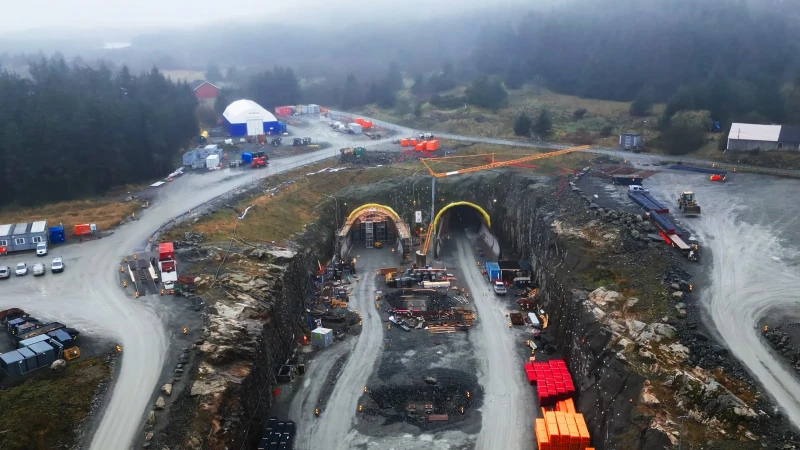
In the land of fjords, a project is underway that will enter the history books: the world's longest underwater automotive tunnel. This is not merely a passage through rock, but an engineering feat with innovative solutions.
Why Such a Tunnel Is Needed
The focus is on the E39 route, which stretches along Norway's western coast from Trondheim to Kristiansand. Currently, this approximately 1,100-kilometer journey takes about 21 hours under ideal conditions. Drivers must use seven ferries along the way, involving schedules, waiting times, and variable weather.
Upon completion, the route will be shortened nearly in half: the entire trip will take around 10.5–11 hours, without any ferries. The key component is the Rogfast underwater tunnel.
Rogfast: Figures That Impress
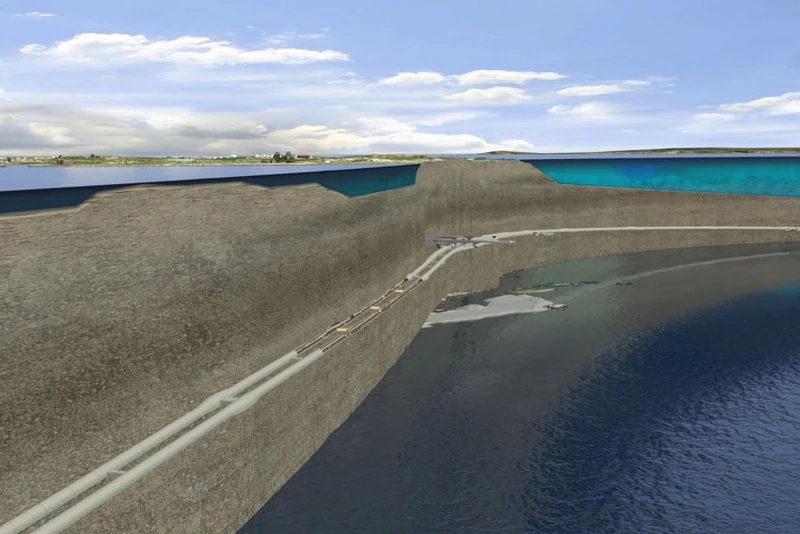
The tunnel's length will be about 27 kilometers — longer than any other underwater tunnel worldwide. At its deepest point, it will run approximately 400 meters below sea level. For context, the pressure there reaches nearly 40 bar, dozens of times greater than in car tires.
The design is not entirely conventional. Part of the tunnel consists of large tubes laid under the sea, rather than simply carved into rock. During construction, engineers encountered saltwater leaks, but the project continues steadily.
Precision Engineering Underwater
Construction proceeds from both ends simultaneously. Two independent tunneling sections must meet precisely in the middle, with an allowable error of about 5 centimeters. For such scale and depth, this is near-surgical accuracy.
Cost and Timeline
The project was initially estimated at about 1.5 billion euros, but as often occurs with megaprojects, the budget has increased to around 2.2 billion euros. Work began in 2018, was temporarily paused, and the completion date is now set for 2033.
Underwater Interchanges and Future Considerations
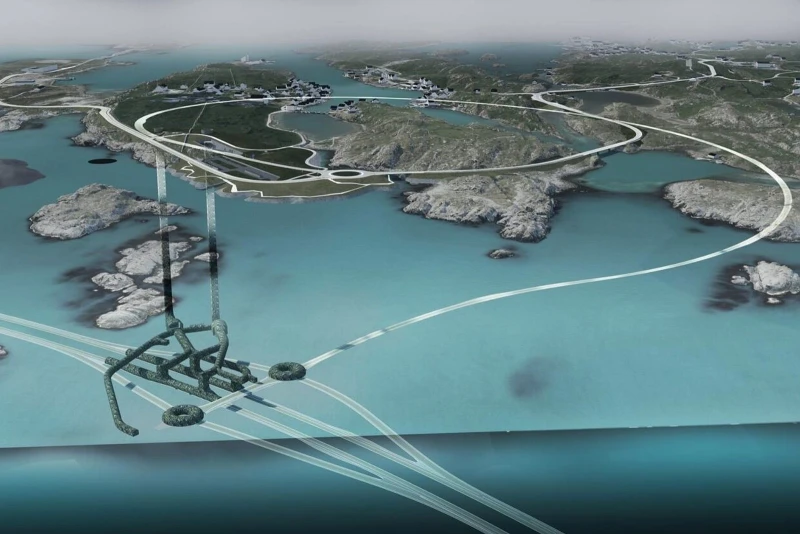
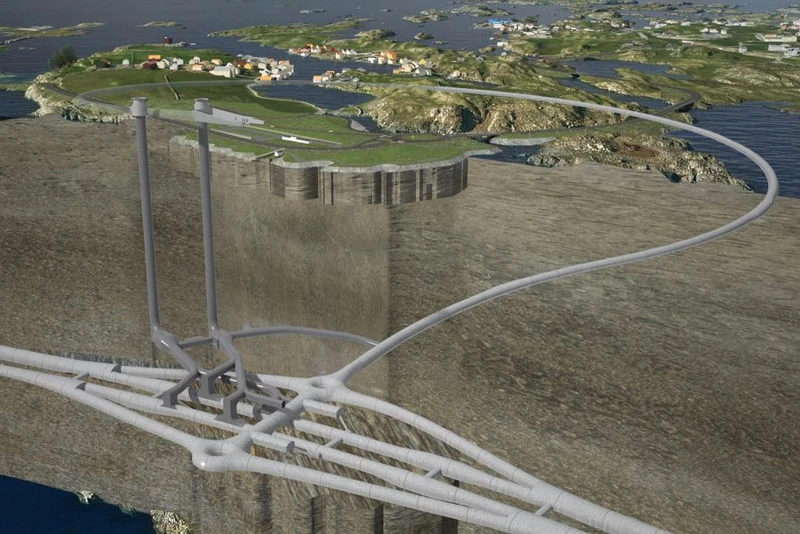
The tunnel will comprise two separate tubes, each with two lanes in one direction. Additionally, the underwater complex will feature two roundabouts to provide access to Kvitsøy island. Underwater roundabouts sound almost futuristic, but that is the plan.
A relevant question for modern Norway remains: who will be able to use this tunnel. The country is actively restricting internal combustion engine (ICE) vehicles, and it is possible that gasoline and especially diesel cars will face high tolls or be displaced by electric vehicles (EVs). Nonetheless, with such construction costs, funding for maintenance will need to be sourced.
Ultimately, Rogfast is set to become not just a road, but an engineering landmark for the country. It could even warrant a dedicated trip to experience.