


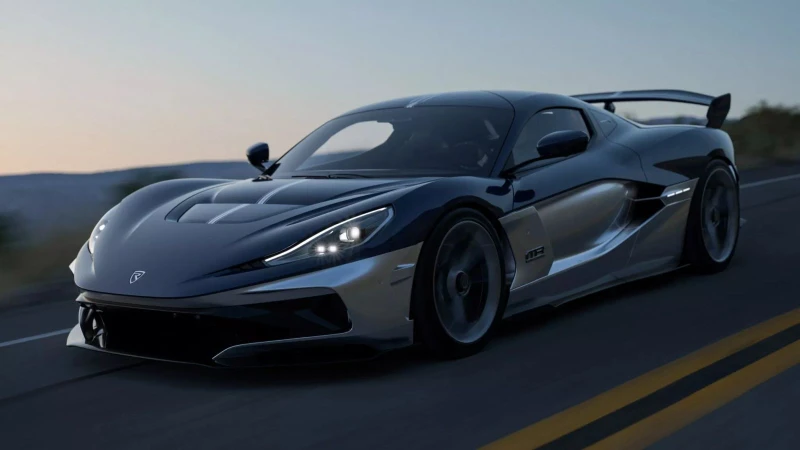
The car is objectively impressive, fast, and technologically advanced, but the market, as it turns out, doesn't always vote with its wallet as engineers expect.
Why Nevera Didn't Become a Hit
When production of the Rimac Nevera started in 2022, the company was confident: 150 cars would sell quickly. After all, nearly 2,000 horsepower, acceleration that makes your vision blur, and the status of one of the fastest production cars in the world. But it soon became clear that even ultra-wealthy people willing to pay over 2 million euros for an electric supercar aren't that numerous.
The situation somewhat resembles the Bugatti Veyron story in the mid-2000s. Back then, they also had to invent new special editions to sell out the limited run. Only Bugatti had the aura of a legendary ICE, while Rimac bets solely on electricity.
Nevera R: Faster, Lighter, But Still No Lines
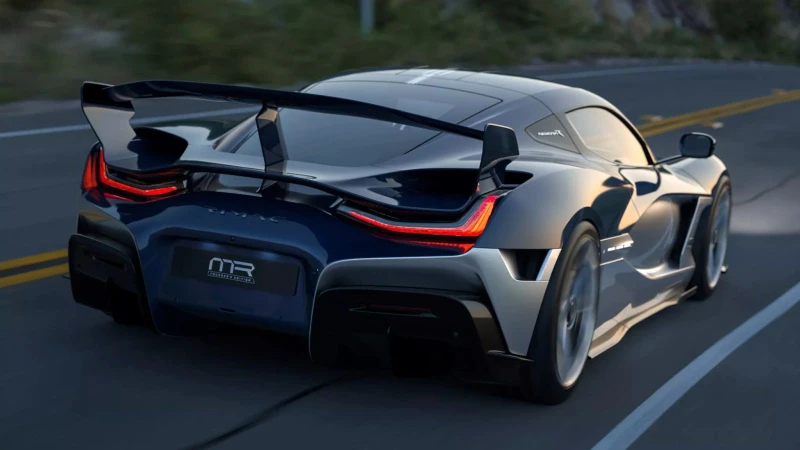
An attempt to boost interest was the Nevera R version. Power increased from 1,914 to 2,017 hp, weight dropped to 2,277 kg, dynamics became even more aggressive. Production limited to 40 units, price raised — and still, it wasn't enough.
Founder's Edition: Selling Emotions and Access
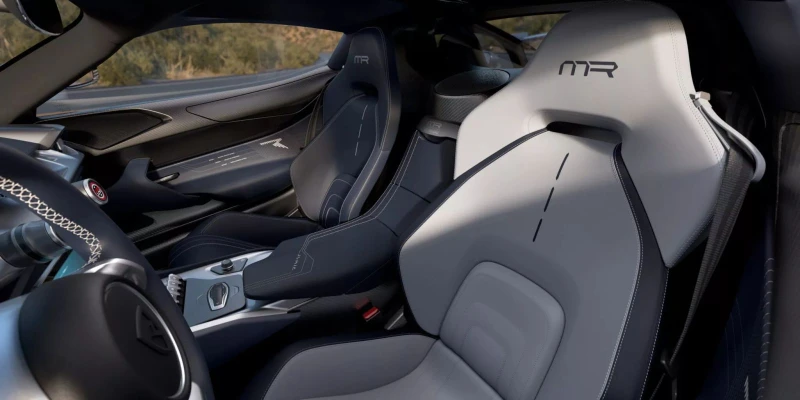
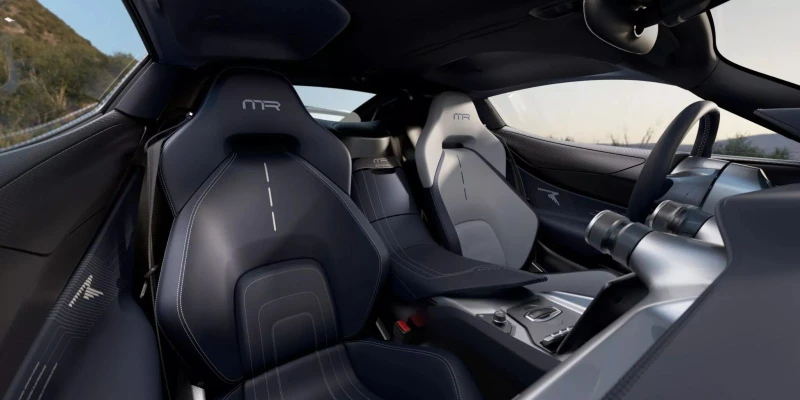
Now Rimac has gone further and introduced the Nevera R Founder's Edition — just 10 cars. Technically, it's the same as Nevera R: no new motors or batteries. Instead, buyers are offered a different commodity — privileges.
- Personal invitation to Rimac's headquarters in Zagreb
- Meeting with Mate Rimac and chief designer Franck Hejl
- Deep customization of the car, including hand-painted details
- Membership in the Founder's Club with access to company events
- Participation in discussions of the brand's future strategy
Essentially, buyers are offered to become not just car owners, but part of Rimac's inner circle. For some, this might be more valuable than extra tenths of a second to 100 km/h.
The Price Question and Main Takeaway
The official price of the Founder's Edition isn't disclosed, but the base Nevera R costs about 2.3 million euros before taxes. Obviously, the new version will be even more expensive. And, ironically, interest in it will likely come from those who already own a Nevera.
This whole story once again shows: even in the world of hypercars, electric propulsion hasn't yet become a universal magnet for clients. And it seems the decision to keep the future Bugatti Tourbillon with a gasoline engine was quite forward-thinking for the Volkswagen Group. Rimac, meanwhile, is forced to find unconventional ways to sell what looks almost perfect on paper.