Consider this: one leasing firm couldn't withstand market pressures. However, a closer examination reveals this as a highly illustrative case that highlights real issues with electric vehicles and the associated business models.
How Operational Leasing Works
To start, a brief overview of the mechanics. Operational leasing is essentially long-term vehicle rental. It involves no down payment and no concerns over maintenance, insurance, or tires. Users pay a fixed monthly amount, drive a set number of kilometers per year, and return the vehicle at the end of the contract to acquire a new one.
This format has become widespread in Europe for its convenience. Yet, a critical factor is the calculation of the vehicle's residual value.
The Primary Risk: Vehicle Depreciation Rate
The leasing company purchases the vehicle, forecasts its value after 2–4 years, and distributes the difference between purchase price and projected resale across monthly payments. Inaccurate forecasts lead to complications.
Electric vehicles demonstrate higher depreciation rates compared to internal combustion engine (ICE) vehicles. Experts have noted this for years, though the market has often overlooked it.
Mister Green and the Focus on Tesla
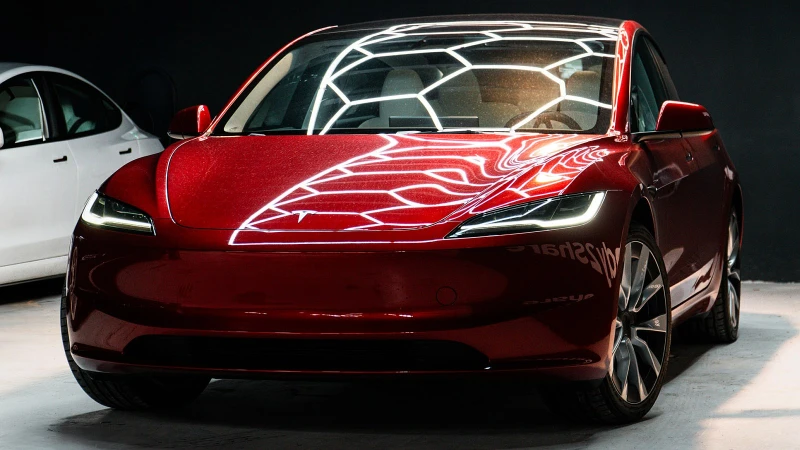
Mister Green committed fully: the company specialized solely in electric vehicles, primarily Tesla models. Over the years, this included Model S, X, and later Model 3 and Model Y. The portfolio contained virtually no other vehicles.
Unlike larger leasing groups, Mister Green lacked a buffer from profitable diesel and gasoline contracts. All risks converged on electric vehicles.
Why the Calculations Failed
Monthly contract payments were set too low to cover actual vehicle value loss, excluding margins, risks, and operational costs.
Larger players with diversified portfolios can offset losses temporarily. For a specialized EV firm, no such options exist. Mister Green faced a classic dilemma:
- Raise prices and risk losing clients;
- Maintain low prices and face gradual insolvency.
The latter was chosen, with hopes of market recovery. It did not occur.
The Outcome
The company confirmed financial insolvency. Client contracts will transfer to other operators: in the Netherlands and Belgium to Rebel Lease, in Germany to Van Mossel Autolease Deutschland. The Mister Green brand is likely headed for quiet liquidation.
Why This Case Matters More Than It Seems
Beyond the bankruptcy itself, this reveals layers of indirect subsidization in the EV sector. Manufacturers incur losses, governments provide incentives, and leasing firms underprice—costs distributed across the system.
In large holdings, such practices remain hidden. For a standalone entity like Mister Green without alternative revenue, reality emerges swiftly.
Key Takeaway
This case underscores economic considerations in EV ownership and resale. While EVs offer convenience, speed, and technology, their financial aspects in terms of value retention present ongoing challenges.