It is not merely about a quieter exhaust note, but also the signature turbine whistle and the sharp release from the blow-off valve. These sounds were once emblematic of a powerful automobile; however, manufacturers today increasingly attenuate them through engineering or substitute them with artificial reproduction via the vehicle's audio system.
What Set Older Turbocharged Engines Apart
Previously, the turbocharged engine was regarded as a feature in its own right. The majority of mainstream vehicles utilized naturally aspirated engines, while turbo presence generally indicated substantially greater power and a more pronounced character. At the same time, these engines demanded adaptation: at low engine speeds they frequently lacked adequate torque, with power delivery becoming abrupt and not always linear once the turbocharger spooled.
This very characteristic created the familiar sensation of older turbo vehicles. The car could proceed steadily before accelerating sharply once boost pressure accumulated. The response was affected by engine temperature, ambient conditions, selected gear, and throttle application. While such behavior was not always predictable, it rendered the driving experience more engaging.
Why the Blow-Off Valve Is Necessary
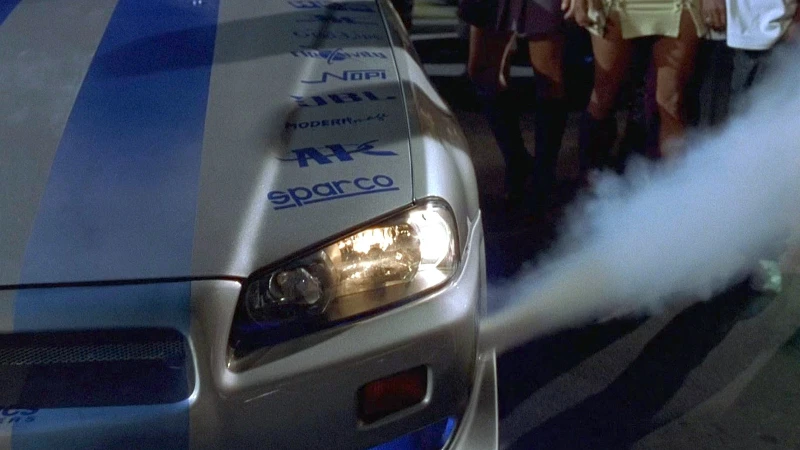
A key element of the turbo system is the blow-off valve, also referred to as the bypass or dump valve. Its purpose is to vent excess intake pressure when the driver releases the accelerator or changes gears. Absent this mechanism, the incoming airflow could disrupt turbocharger rotation, necessitating a fresh spool-up on the subsequent throttle input.
While primarily a technical measure for engineers, it evolved into an acoustic hallmark of the sports car for drivers. The abrupt hiss or brief whistle upon throttle lift was readily identifiable and linked to forced-induction powertrains, aftermarket tuning, and racing culture.

Why These Sounds Have Become Quieter
Turbocharging is no longer uncommon today. Compact turbo engines are fitted to volume models chiefly to improve fuel efficiency and lower emissions, rather than exclusively for dynamic performance. Powertrain tuning has evolved accordingly. Manufacturers seek smoother torque delivery, reduced noise, and adherence to acoustic and emissions standards.
Blow-off valves persist, yet their operation has grown less conspicuous. In numerous contemporary setups, surplus air is recirculated into the intake path instead of being discharged externally. This diminishes noise while enabling finer engine control. Some powertrains further incorporate electric compressors to shorten response lag and promote more consistent engine behavior.
Artificial Sound Replacing the Authentic
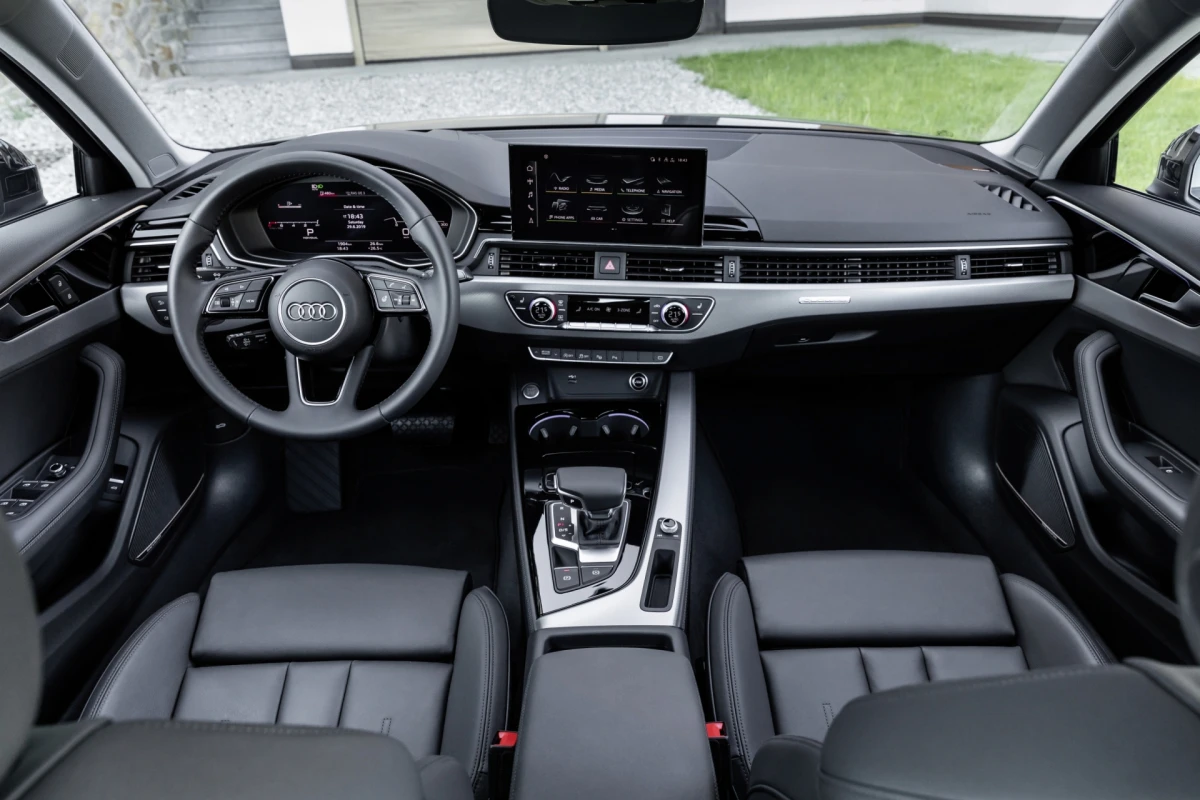
Recognizing that a segment of buyers continues to anticipate expressive acoustics from performance variants, automakers have introduced electronic sound generation. The audio system can now relay amplified engine noise, synthesized exhaust, or simulated turbo and blow-off valve activity into the cabin.
Such methods achieve the intended sensory effect internally without contravening exterior noise limits. Nevertheless, they transform the perceptual essence of the vehicle: rather than experiencing unfiltered mechanical operation, the driver receives a refined or wholly synthesized audio signal.
Implications for Sports Cars
Noise reduction aligns with expectations for conventional urban models, where buyers typically value comfort, serenity, and refined operation. For sports-oriented versions, however, sound remains a core element of identity. The audible cues from the engine, turbocharger, and mechanical assemblies assist the driver in interpreting the vehicle and heighten involvement in the drive.
The diminishing presence of natural sounds has therefore become a topic of discussion. Contemporary engineering has advanced toward greater speed, cleanliness, and usability, yet aspects of prior mechanical character are receding. Where sensory feedback once arose directly from mechanical design, digital synthesis is now more commonly applied.

Conclusion
The distinctive hiss associated with turbochargers and blow-off valves is progressively receding from new vehicles, driven by evolving engine architectures, noise compliance requirements, and the drive toward greater vehicle versatility. While modern turbo engines have achieved superior efficiency and everyday usability, their acoustic profile has grown less natural and less pronounced. In performance models, electronic augmentation increasingly compensates for this, mirroring the automotive industry's broader transition from inherent mechanical expression to a digitally curated vehicle persona.