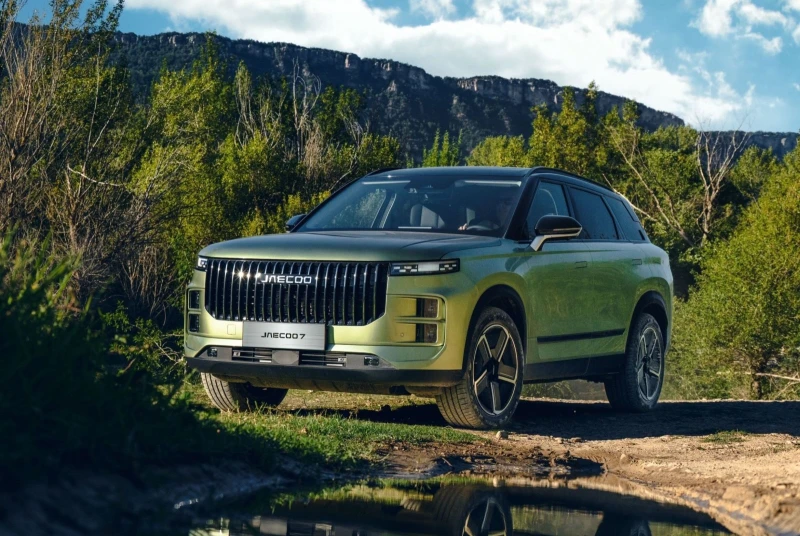
They attract buyers with modern equipment, expressive design, and prices that often appear lower than those of established brands. However, when choosing such a vehicle, it is important to consider not only the purchase price but also its future residual value. It is the loss of value over time that can represent the owner’s largest expense.
Growth of Chinese Brands in Europe
In the first four months of the year, nearly 3.8 million new cars were sold in Europe. This is 4.2% more than in the same period last year. Chinese manufacturers played a notable role in this growth. Their share of the European market has now reached 6%, roughly double the level recorded a year earlier.
This result stems from several factors. Chinese companies are actively introducing new models in Europe, offering rich equipment even in base versions, and maintaining competitive pricing. They are particularly visible in the electric vehicle and hybrid segments, where Chinese industry has accumulated substantial experience in recent years.
Why Purchase Price Does Not Equal Total Cost
A vehicle differs from ordinary consumer goods because its real cost to the owner is not limited to the amount stated in the purchase agreement. The car retains a certain value years later, when the owner decides to sell it or trade it in for a new model. Therefore, the key financial factor is the difference between the purchase price and the eventual resale price.
For example, a vehicle with a higher initial price may prove more economical if it retains a larger share of its value after three to five years. Conversely, a model with an attractive showroom price can lead to greater losses if demand on the used market is weak.
The Residual Value Challenge
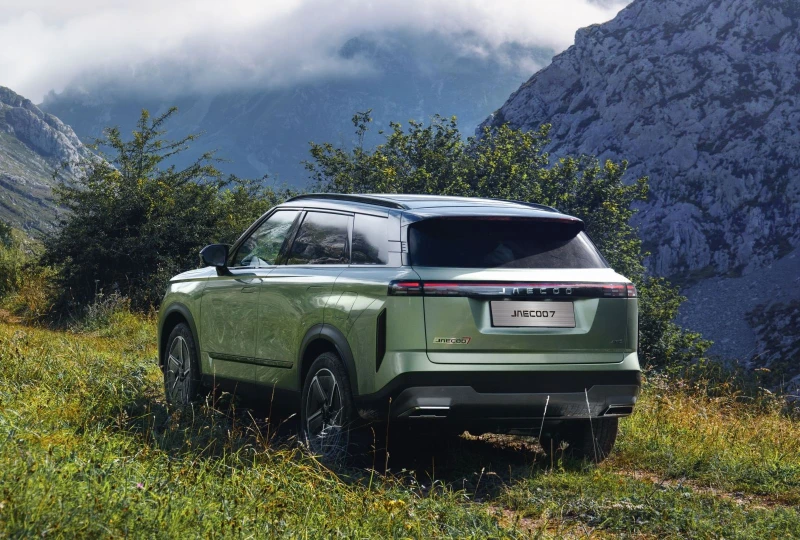
According to data from the German analytics company DAT, Chinese vehicles in Europe lose value noticeably faster than many competitors. This is especially true for electric vehicles and hybrids, which form a significant part of Chinese brands’ offerings. For the owner, this means potentially receiving less upon resale than anticipated at the time of purchase.
The reason is not always related to the quality of a specific model. Residual value is influenced by brand trust, the maturity of the service network, availability of spare parts, reliability history, and buyer confidence that the brand will maintain a long-term presence in the market. Established European, Japanese, and Korean manufacturers have built such reputations over decades. Many Chinese brands in Europe do not yet have a comparable track record.
Why Used Buyers Remain Cautious
A buyer of a used vehicle evaluates more than equipment and mileage. Important considerations include predictable maintenance costs, access to official service centers, expected battery or hybrid system durability, and the ability to source parts after the warranty expires.
For newer brands these issues remain more sensitive. Even when a vehicle is well equipped and free of obvious shortcomings, some buyers factor additional risks into their offers. This reduces demand for pre-owned examples and accelerates value decline.

Electric Vehicles Depreciate More Rapidly
A separate issue concerns electric versions. On the British market, where Chinese brands began operating actively earlier, electric vehicles from Chinese manufacturers retain approximately 38% of their original price after three years. For gasoline, diesel, and hybrid powertrains the figure is higher — around 45–51%.
This gap is explained by rapid advances in battery technology and caution among used EV buyers. Purchasers assess battery condition, driving range, charging speed, and potential repair costs. As a result, even an initially affordable electric vehicle may not prove the most economical choice when total cost of ownership is calculated.
Conclusion
Chinese vehicles are becoming a visible part of the European market and often deliver strong equipment at comparatively moderate prices. However, an attractive showroom price does not reveal the full financial picture. When purchasing, it is important to consider residual value, model liquidity, service support, and brand trust. For some buyers such a vehicle may be an interesting option, yet the financial benefit should be evaluated by total cost of ownership over several years rather than by the initial price alone.