Audi chose evolution rather than reinvention. The new A4 looked broadly similar to the outgoing B8, but underneath it sat the MLB Evo platform—the same basic architecture later used by the A5, Q5, A6, and even the Q7. Engineers extracted nearly everything possible from the traditional compact luxury sedan formula and kept refining it through the 2025 model cycle, when the B9 era finally came to a close and Audi prepared the lineup for a more electrified future.
For the U.S. market, that means the B9 has now become a mature used-car choice with a well-documented reputation. This is the right moment to assess it as a complete product, with both its considerable strengths and the weaknesses that have surfaced over time.
The platform that changed everything
The biggest change from the B8 to the B9 was architectural. MLB Evo cut roughly 200 pounds, depending on configuration, improved front-end packaging, and allowed Audi to integrate its longitudinal engine layout with newer all-wheel-drive technology, including quattro ultra on selected versions. That system can disconnect the rear axle when extra traction is not needed, helping reduce fuel consumption.
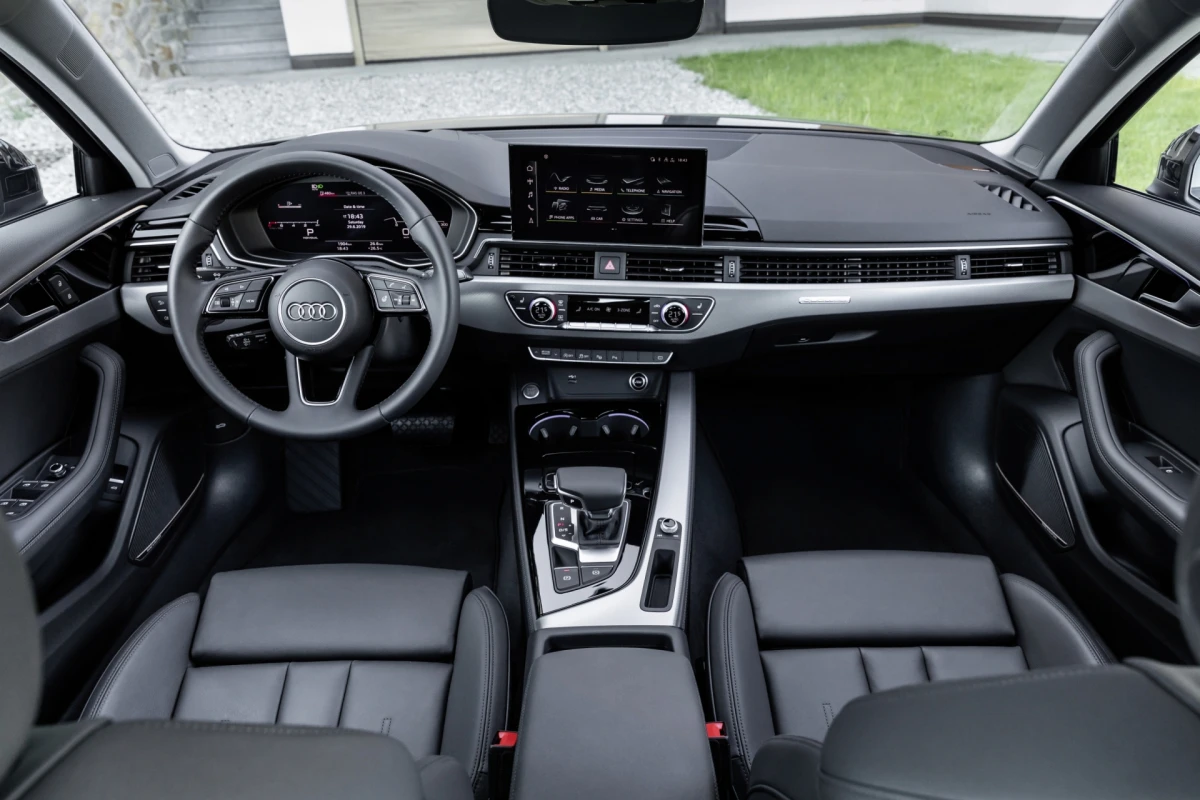
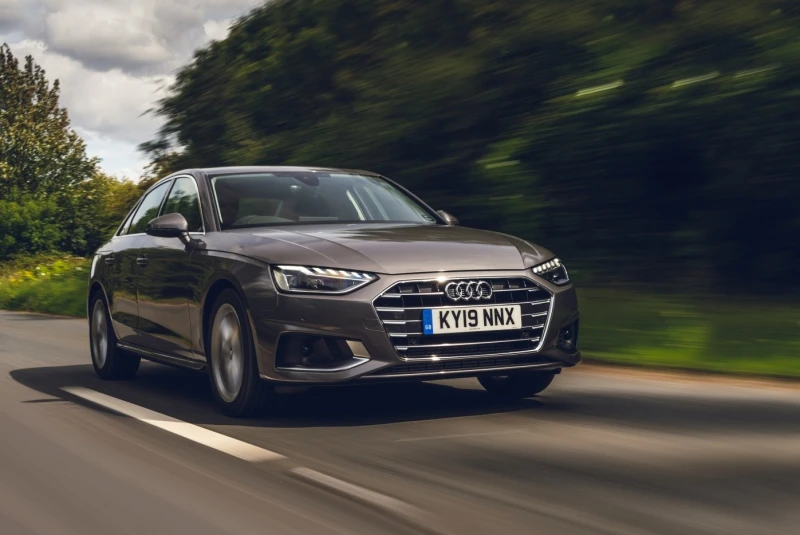
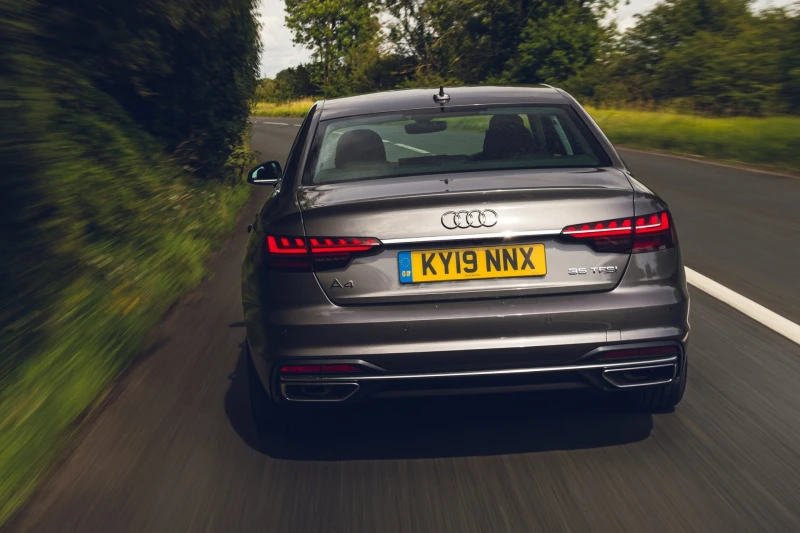
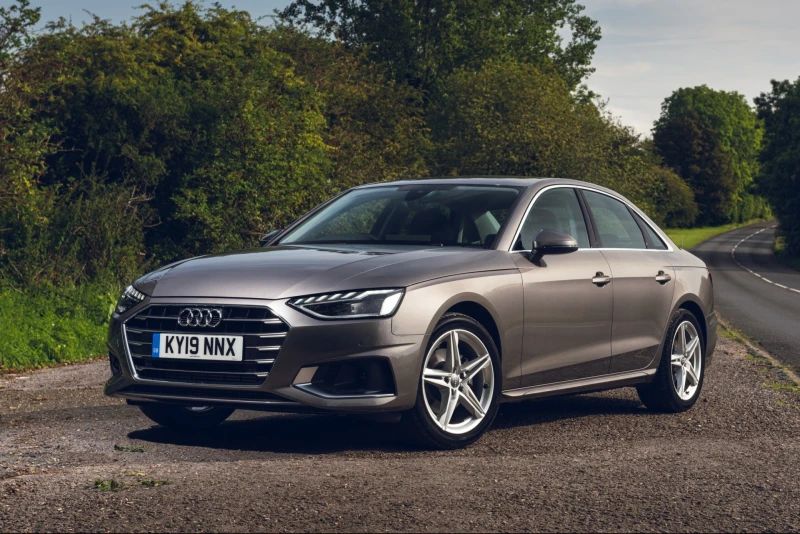
Visually, the generation is recognized by its flatter body lines, slimmer headlights, and wider, more stretched grille. The real break with the previous model is inside. The dashboard adopted a broad horizontal design theme that Audi later spread across much of its lineup. The available Virtual Cockpit digital instrument cluster gradually became one of the B9’s defining features; on today’s used market, cars without it can feel noticeably less desirable.
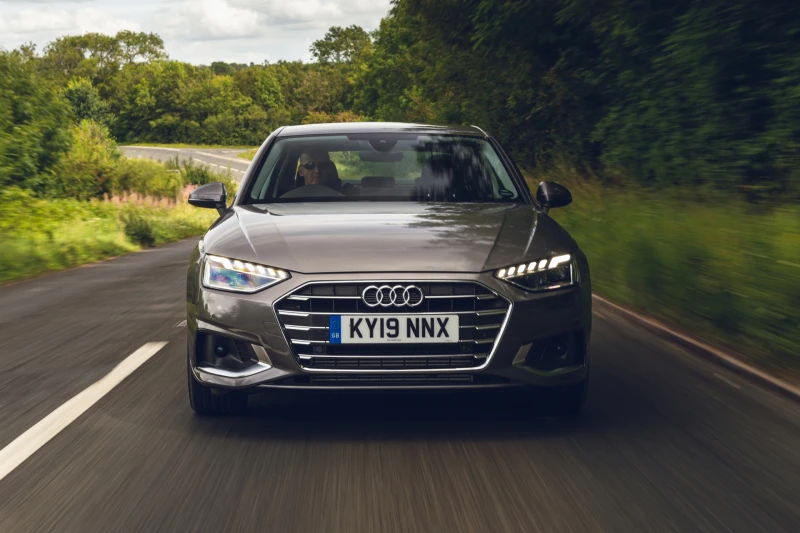
The 2019 facelift
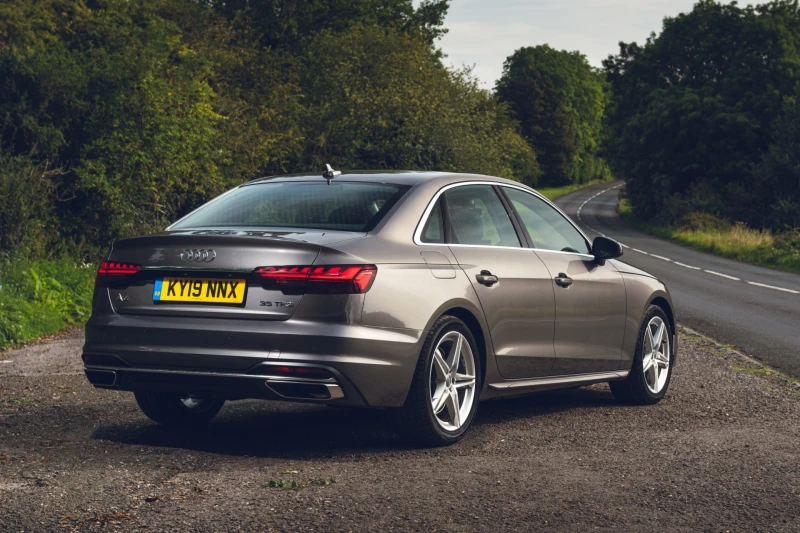
Audi gave the B9 a substantial mid-cycle update for 2019, with refreshed bumpers, sharper lighting, available Matrix-design LED headlights in some markets, and a redesigned infotainment system. The old rotary MMI controller gave way to a touchscreen-based MIB 3 interface. Used-car shoppers often divide the generation into “pre-facelift” and “facelift” cars, and comparable examples can differ by roughly $4,000–$7,000 depending on mileage, trim, and condition.
What is under the hood
The global engine lineup changed several times during the B9’s long production run, but U.S. shoppers should focus on the versions that were actually sold here in meaningful numbers:
- 2.0 TFSI — the core U.S. engine, offered in several states of tune. Depending on model year and badge, output generally ranged from about 188 to 261 hp.
- 2.0 TDI — common in Europe, but not a mainstream B9 offering in the United States. Imported or gray-market examples are exceptionally rare.
- 3.0 TDI V6 — another European-market powertrain that is largely irrelevant to normal U.S. used-car shopping.
- S4 — powered in the United States by a turbocharged 3.0-liter TFSI V6 producing 349 hp, paired with an eight-speed automatic.
- RS4 Avant — a 444-hp 2.9-liter twin-turbo V6 wagon, but it was not officially sold in the United States during the B9 generation.
For the U.S. used market, the 2.0 TFSI is overwhelmingly the most relevant choice. It offers strong performance, broad parts availability, and highway fuel economy that can reach roughly 30–34 mpg in normal driving. Most versions are designed for premium unleaded fuel, typically 91 AKI or higher, and owners should budget accordingly.
Transmissions and drivetrains
Most U.S.-spec A4 models use a seven-speed S tronic dual-clutch transmission, including many quattro versions. The higher-performance S4 uses an eight-speed Tiptronic automatic based on the ZF 8HP family. A six-speed manual was briefly available on early B9 A4 quattro models in the United States, but those cars are now rare and often command enthusiast interest.
The eight-speed ZF unit in the S4 is one of the strongest transmissions in the segment: smooth, durable, serviceable, and predictable. The seven-speed S tronic is also effective, but it rewards careful maintenance. Fluid and filter service at about 40,000 miles is a sensible rule, and buyers should watch for hesitation, harsh low-speed engagement, or mechatronic faults. Clutch life varies widely, but many units can reach roughly 90,000–125,000 miles when properly maintained and not repeatedly abused in stop-and-go driving.
Body styles: sedan, Avant, and allroad
The sedan is the standard U.S. configuration and the easiest version to find. It works equally well as a commuter, an executive car, or a family sedan for buyers who do not want an SUV. The regular A4 Avant wagon was not sold here during the B9 era, but Audi did offer the A4 allroad, which combines wagon practicality with slightly greater ground clearance and rugged-looking body cladding. Its closest rivals include the Volvo V60 Cross Country and, indirectly, premium compact crossovers.
Regional demand varies. Sedans dominate listings in markets such as Los Angeles, Dallas, and Miami, while the allroad tends to attract stronger interest in the Northeast, the Pacific Northwest, and mountain states where snow, outdoor recreation, and all-weather versatility matter more.
Prices: realistic used-market ranges
Estimated market price for the United States: the ranges below reflect typical asking prices and can vary significantly with mileage, accident history, service records, trim, and local demand.
| Model year | Typical U.S. price range | Common market position |
| 2017–2018 (early cars) | $11,000–$18,000 | Higher-mileage entry point |
| 2019–2020 (late pre-facelift / early facelift) | $16,000–$25,000 | Best-value mainstream range |
| 2021–2022 (facelift) | $22,000–$34,000 | Newer tech and lower mileage |
| 2023–2025 (late-production cars) | $30,000–$46,000 | Near-new and certified inventory |
| S4 / A4 allroad | $24,000–$60,000+ | Performance or specialty models |
Listings can fall well outside these ranges. Cars with fewer than 60,000 miles, complete dealer or specialist service records, desirable option packages, and a clean history can cost 15–20% more than average. Vehicles with major collision repairs, branded titles, neglected maintenance, or suspicious mileage can be considerably cheaper—but usually for good reason.
What to inspect before buying
In brief, prioritize powertrain condition and verified history. Those two factors matter more than almost anything else.
Common engine concerns
Earlier generations of the 2.0 TFSI were notorious for oil consumption, but the B9’s later EA888 versions are generally much better. Even so, buyers should check for excessive oil use, coolant leaks around the water pump and thermostat housing, timing-related fault codes, and evidence of neglected maintenance. A pre-purchase inspection, compression test when warranted, and borescope examination on questionable cars are reasonable precautions.
Because diesel B9s are not common U.S.-market vehicles, most shoppers will not need to evaluate a diesel particulate filter, EGR system, or high-pressure diesel injection equipment. Anyone considering a rare imported diesel should use a specialist familiar with that exact powertrain and confirm parts and emissions compliance before purchase.
The S4’s 3.0-liter turbocharged V6 is capable of high mileage when maintained correctly, but cooling-system work, turbo-related repairs, and neglected transmission service can become expensive. Service documentation matters more than a low purchase price.
Suspension and electronics
The multi-link suspension at both ends delivers excellent ride and handling, but it is not inexpensive to rebuild. Control-arm bushings, stabilizer links, wheel bearings, and dampers can require attention once mileage approaches or exceeds 90,000 miles. Cars with adaptive suspension add another potential cost because the electronically controlled dampers are expensive.
Virtual Cockpit and MMI systems are usually reliable, but facelift cars depend heavily on the central touchscreen. A failed display or control module can be costly to replace. Advanced LED or Matrix-design headlight assemblies are another major expense after front-end damage, so buyers should inspect them carefully and confirm that every lighting function works.
Rivals and market position
Throughout its run, the B9 competed directly with the BMW 3 Series—first the F30 and then the G20—and the Mercedes-Benz C-Class, including the W205 and W206. Each follows a different philosophy: BMW traditionally emphasizes sharper driver involvement, while Mercedes leans toward comfort and cabin presentation. Audi sits between them, with a more restrained, pragmatic personality and one of the segment’s most confidence-inspiring all-wheel-drive systems.
In the United States, the same three-way comparison still shapes the used luxury market. The A4’s strengths are understated design, excellent ergonomics, strong highway manners, and widespread specialist support in major metro areas. It may not feel as playful as a 3 Series or as plush as a C-Class, but it is often the easiest of the three to live with every day.
Does it make sense to buy one now?
The generation is complete, and that is actually one of its strongest selling points. Its early issues are well documented, facelift models received the benefit of years of refinement, parts are widely available, and independent Audi specialists are easy to find in most large U.S. markets. A well-maintained 2021–2023 car can offer an appealing balance of price, equipment, and remaining service life.
At the same time, the next phase of Audi’s midsize lineup follows a different naming and electrification strategy. That gives the B9 a distinct identity as one of the last traditional A4 generations built around a familiar gasoline-powered compact luxury formula. For some buyers, that is a reason to purchase now; for others, it is a reason to wait for newer technology.
Either way, evaluating the fifth-generation Audi A4 is no longer about judging a brand-new model. It is about taking inventory: what Audi got right, what remains debatable, and how much a clean example is worth. The answer depends on whether the buyer values the newest badge and interface—or a proven, predictable luxury sedan with years of real-world history behind it.