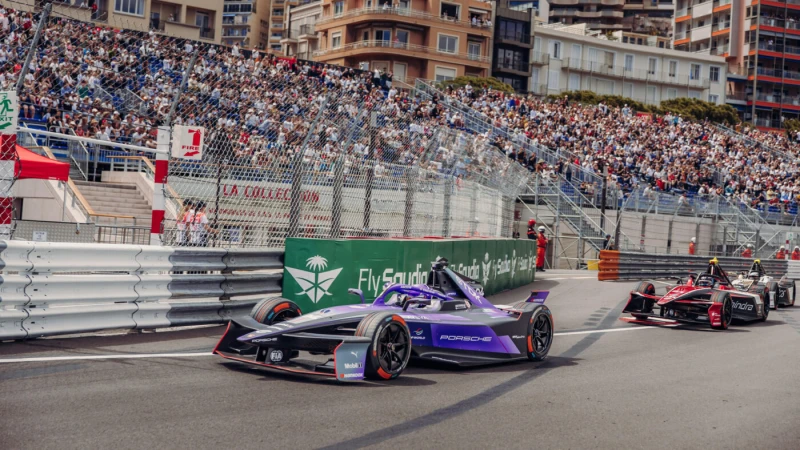
On the same street circuit where Formula 1 competes, fully electric race cars battle, engineered not only for speed but also for maximum energy efficiency. A visit to the Porsche team garage offers insight into how the electric series differs from traditional racing and why it is becoming a more prominent element of global motorsport.
Monaco as a Distinctive Stage for Racing
Monaco has long been associated with Formula 1, luxury, high-end automobiles, and its tight street circuit running between buildings, tunnels, and barriers. The race weekend here is always regarded as a major occasion, with the sound of powerful internal combustion engines long part of the local atmosphere.
Formula E presents a different picture. Its philosophy is built around electric propulsion, economical energy consumption, and technological efficiency. The circuit itself, however, remains unchanged: narrow corners, short straights, minimal margin for error, and a high price for any misjudgment.
How Formula E's Approach Stands Apart
In the electric series it is not enough for a driver simply to go fast. Constant monitoring of energy use and close collaboration with engineers are required to allocate the available charge across the full race distance. Strategy therefore plays a role at least as important as single-lap pace.
Porsche factory driver Nico Müller emphasizes that many competitors retain realistic chances of a strong result. Even accomplished drivers can find themselves at the rear of the field when strategy, traffic, or on-track incidents unfold unfavorably. Monaco makes this especially clear: close-quarters racing and limited space frequently produce unexpected outcomes.
Porsche in the Electric Series
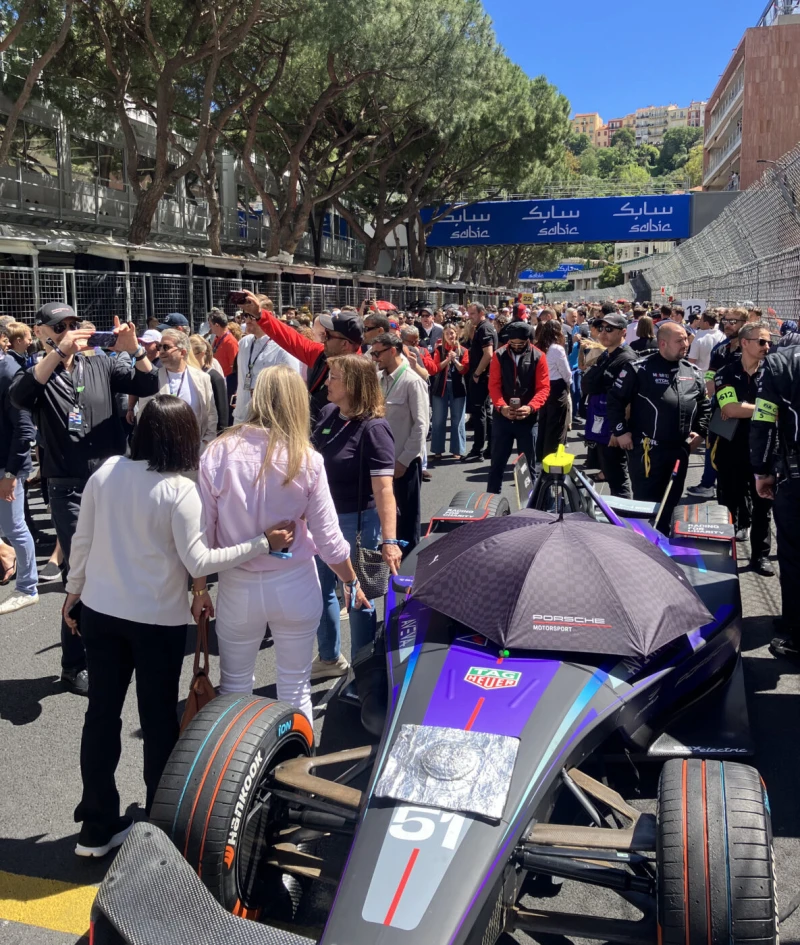
Porsche is contesting its seventh Formula E season and enters the championship as the defending champion in both the teams' and manufacturers' standings. In addition to the works team, Porsche 99X Electric cars are also fielded by the customer squads Andretti Formula E and Cupra Kiro.
Factory drivers Nico Müller and Pascal Wehrlein handle the official cars. Both bring experience from internal combustion engine racing, including DTM, yet now form part of Porsche's electric motorsport program. Wehrlein became Formula E World Champion in 2024, while Müller claimed his first series victory in May at the Berlin round.
Gen3 Evo Technology and Efficiency
The current Porsche cars belong to the Gen3 Evo generation. According to team representatives, powertrain efficiency reaches 97%. Energy recuperation plays a central role: during braking the car returns a portion of energy to the battery, helping to manage consumption over the race distance.
This approach positions Formula E as more than an electric car race; it functions as a proving ground for energy management technologies. Power output, software, battery behavior, drivetrain efficiency, and precise driver-engineer coordination all assume critical importance.
The Next Generation of Race Cars
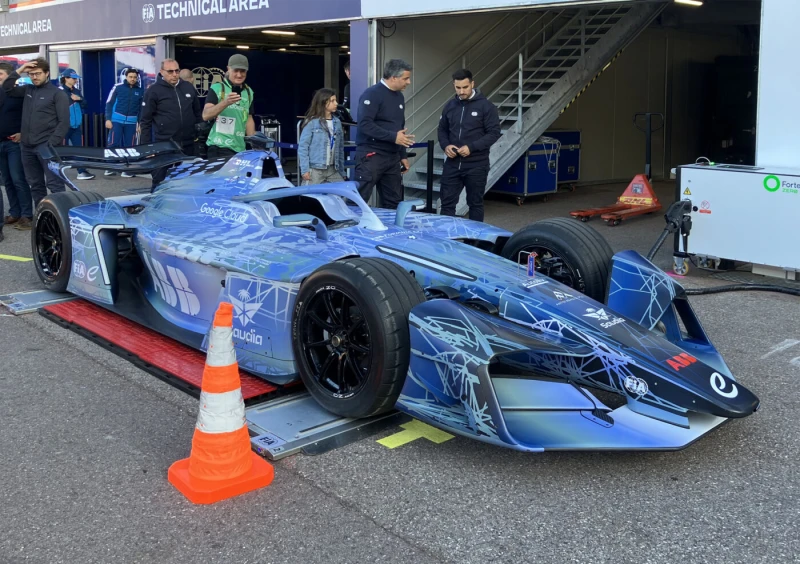
Porsche is already preparing for the transition to fourth-generation cars that will arrive in the 2026/27 season. The new machines will be longer, slightly wider, and approximately 100 kg heavier than the current generation. Their performance will rise markedly: in a special mode, power output can reach 600 kW with torque delivered to all four wheels.
Another key figure is recuperation of up to 700 kW, enabling future cars to recover substantially more energy under braking. Porsche expects the new 975 RSE to bring Formula E closer to the perception of established top-tier racing series.
Conclusion
The Formula E round in Monaco shows that electric motorsport has secured its own distinct place alongside traditional racing. It places less emphasis on engine sound and greater focus on efficiency, strategy, and energy management. For Porsche, participation remains both a sporting commitment and a route to developing technologies with potential relevance for the brand's future electric cars.