


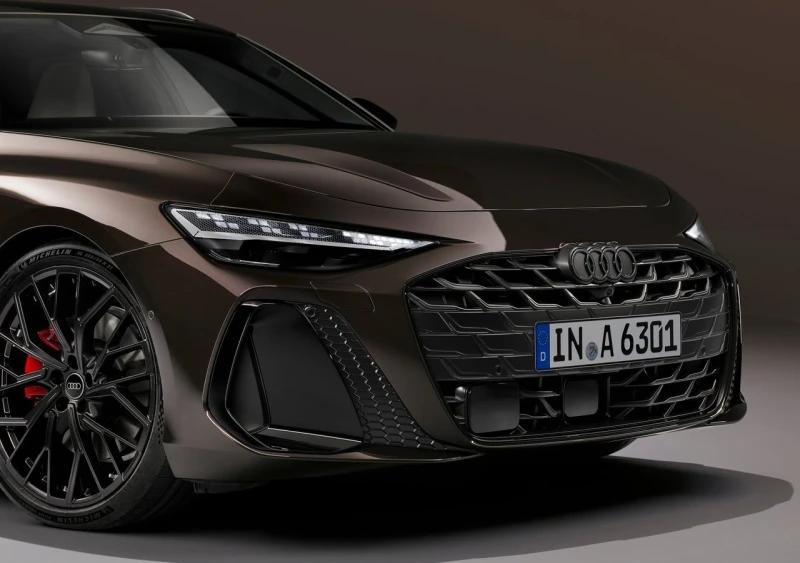
For American buyers, these details are shaped by the overall cost of ownership, premium-fuel requirements, heavy urban traffic, long Interstate drives and major climate differences between regions. Long-term reliability data is still limited, but the design of the car and early owner feedback already highlight several areas worth checking before purchase and during the first few years of ownership.
U.S.-market cars are expected to center primarily on 2.0-liter and 3.0-liter TFSI gasoline engines, paired with a 48-volt mild-hybrid system and a seven-speed S tronic dual-clutch transmission. As of mid-2026, no widespread pattern of major failures has emerged, although several components deserve attention from the buying stage onward.
Ownership Costs and Service Considerations
The Premium Platform Combustion architecture and mild-hybrid system make diagnostics and repairs more complex than they were on the previous-generation A6. Audi has a well-established dealer network in major metropolitan areas, but owners living far from cities such as Los Angeles, Chicago, Dallas or New York may have fewer convenient service options. Electronic or 48-volt system problems may also require factory diagnostic equipment, specialized technicians and additional waiting time for parts.
The dual-clutch transmission should be serviced according to the factory schedule, without stretching fluid and filter replacement intervals. This is important for any modern DCT, but frequent stop-and-go driving, high summer temperatures and cold-weather operation can place additional stress on the transmission. Dealer service is generally more expensive than work performed by an independent European-car specialist, although a complete dealer or specialist maintenance history can add value when the vehicle is eventually sold or traded in.
The mild-hybrid system introduces another component that requires attention: the 48-volt battery and its supporting electronics. Serious early problems have not been widely reported, but diagnosing or replacing these components outside the applicable warranty period could be expensive. Buyers should review the exact warranty coverage for the battery, starter-generator and related control modules before purchasing.
Real-World Fuel Economy and Driving Conditions
Official fuel-economy figures benefit from the mild-hybrid system, but real-world results depend heavily on traffic, weather and driving style. A 2.0-liter TFSI model can realistically return approximately 25–31 mpg in mixed driving. The more powerful 3.0-liter TFSI typically delivers around 21–28 mpg, with lower figures possible during aggressive driving, short winter trips or extended periods of urban congestion.
Fuel quality, vehicle load and driving habits have a significant effect on consumption. Premium unleaded gasoline with the manufacturer-recommended AKI rating should be used, with Top Tier fuel preferred when available. Direct-injection engines can develop carbon deposits on the intake valves over time, especially when repeatedly driven on short trips. Cold-weather warm-up in the Northeast and Midwest, as well as constant air-conditioning use in states such as Arizona, Texas and Florida, can also reduce fuel economy. These factors should be included in the fuel budget of anyone planning frequent long-distance travel.
Interface, Materials and Everyday Comfort
The latest infotainment system combines a large central display with an updated control layout that may require an adjustment period. Several functions that previously had dedicated physical controls are now located inside on-screen menus, which can be distracting in dense traffic. Early software updates have improved responsiveness, but drivers who spend many hours behind the wheel may still need time to become comfortable with the new interface.
Interior materials range from durable fabric upholstery to leather and microfiber combinations, depending on the trim and option packages. Gloss-black trim on the center console and door panels quickly collects fingerprints and fine scratches. The problem becomes especially noticeable in vehicles regularly exposed to road dust, sunscreen, winter grime or frequent passenger use. Leather upholstery requires periodic cleaning and conditioning; otherwise, the outer seat bolsters may begin showing wear after three to five years of heavy use. Fabric is less demanding but absorbs odors more readily and can be harder to deep-clean.
Cabin insulation remains impressive at highway speeds. On rough urban pavement or frost-damaged roads, however, occasional noises may develop around plastic trim pieces, particularly after major temperature changes. This does not appear to be a widespread defect and can often be corrected by securing or insulating the affected panels, but it is worth checking during a test drive.
Body Protection, Corrosion and Regional Conditions
Corrosion is not expected to be a major concern on early-production cars because of their age and modern factory protection. Owners in the Northeast and Midwest should still inspect the underbody, rocker panels, wheel arches and suspension mounting points regularly, especially where road salt and liquid deicers are heavily used. Frequent underbody washing during winter can help limit buildup. Professional corrosion protection may also be worth considering for long-term ownership, provided the treatment is compatible with the vehicle's warranty and factory coatings.
The standard suspension handles most everyday pavement well, but repeated impacts from potholes and broken road surfaces may accelerate wear in components such as bushings, sway-bar links and dampers. The available air suspension improves ride comfort but adds expensive components that may require repair later in the vehicle's life. Even a low-mileage used example should be inspected for suspension noise, uneven ride height and evidence of previous repairs.
What Can Be Prevented and What to Check Before Buying
Most of these concerns can be reduced through preventive maintenance. Software updates for the infotainment system, transmission and electronic control modules are normally performed by authorized dealers and may improve both interface response and shift quality. Timely transmission service, periodic checks of the 48-volt system and proper care of the upholstery can substantially reduce the risk of premature wear.
Buyers should prioritize vehicles with complete maintenance records from an authorized Audi dealer or a reputable European-car specialist. On early 2026 examples, it is especially important to confirm that all available software updates and service campaigns have been completed. The car should also be checked for accident repairs, electronic warning messages and signs of suspension damage.
For many American drivers, a 2.0-liter TFSI model with quattro all-wheel drive may offer the most practical balance of performance, fuel economy and all-weather traction. The 3.0-liter version is better suited to buyers who prioritize stronger acceleration and a more effortless highway experience, although its fuel, insurance and maintenance costs are likely to be higher.
All-weather floor mats, a fitted cargo liner, regular underbody cleaning and protective film on gloss-black surfaces can help preserve the vehicle's condition. These measures do not change the engineering complexity of the A6, but they reduce the everyday wear associated with commuting, family use and seasonal weather.
For a broader overview of the generation, its specifications and interior, see the other articles in this series.
Final Considerations Before Choosing the Model
At this stage, the sixth-generation Audi A6 is a modern premium sedan with the typical characteristics of a new platform: more complex electronics, stricter maintenance requirements and a heavily digitalized user experience. In the United States, these factors are combined with regional differences in dealer access, labor rates, fuel prices and operating conditions.
The A6 is likely to appeal most to owners who are prepared to maintain it on schedule and who value a documented service history. Mid-level and upper trims with leather upholstery, upgraded driver-assistance features and desirable convenience packages may retain value better while providing a more complete ownership experience. Entry-level configurations can still make sense, but buyers should compare the equipment carefully against their everyday needs.
Early observations do not suggest a pattern of systemic problems. They do, however, emphasize the importance of careful vehicle selection, software updates and preventive maintenance. As with most newly introduced generations, many potential complications can be managed by following factory recommendations and addressing minor issues before they become expensive repairs.