Stellantis, which unites brands such as Opel, Peugeot, Citroën, and Alfa Romeo, is once again expanding its offering of vehicles with diesel engines. This decision is linked to the persistent demand for such engines and their operational advantages, particularly in the family and commercial vehicle segments.
Reasons for the Decline in Diesel Popularity
Over the past decade, diesel engines have faced pressure from environmental regulations and shifting market priorities. Manufacturers have focused on developing hybrid and electric technologies, leading to a reduction in the number of diesel versions. In some countries, restrictions on the operation of vehicles with this type of engine have become an additional factor in their decreased market presence.
Nevertheless, the technical features of diesel engines remain in demand. They offer high efficiency, especially on long trips, and provide a significant range without frequent refueling stops. This makes them convenient for use on highways and in commercial transport.
Practical Advantages of Diesel Vehicles
Diesel engines are traditionally used in mid-size and large-class vehicles due to their operational characteristics. Key advantages include:
- reduced fuel consumption on long trips;
- high torque at low RPMs;
- increased range between refuelings;
- efficient operation under constant load;
- suitable characteristics for commercial use.
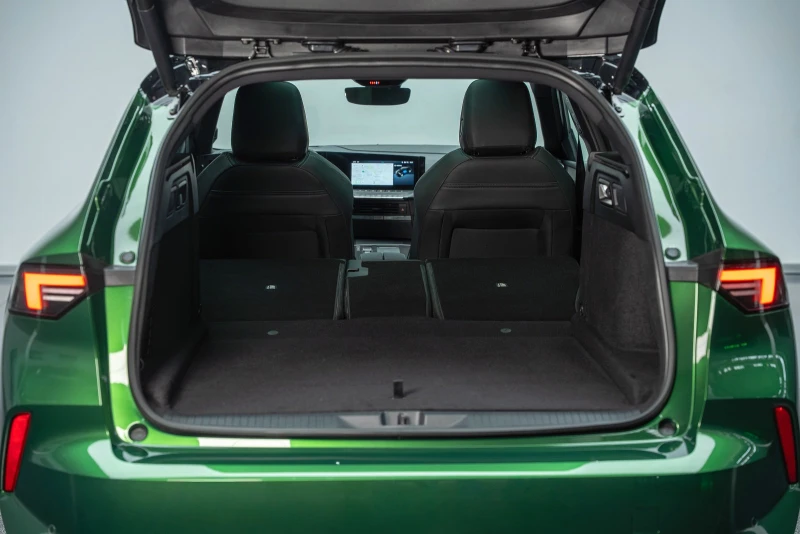
These features are particularly important for wagons, minivans, and vehicles designed for cargo transport or long-distance travel. In these conditions, diesel engines remain one of the most effective solutions.
Return of Diesels to the Stellantis Lineup
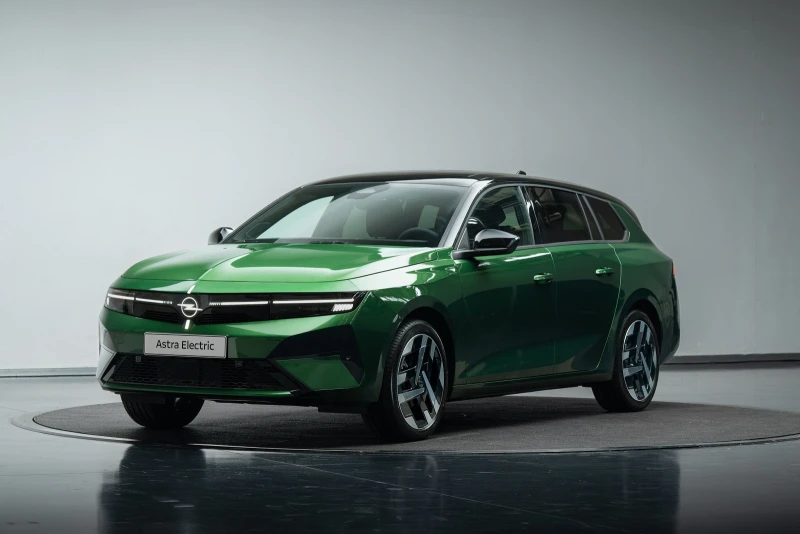
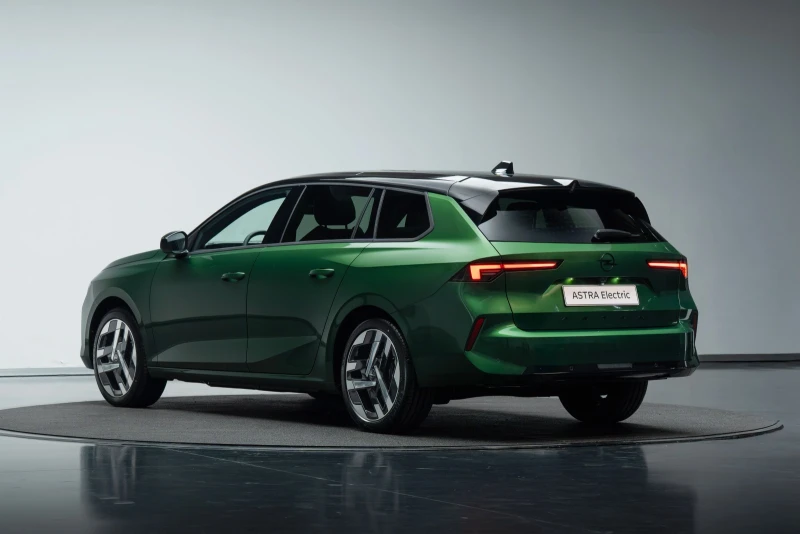
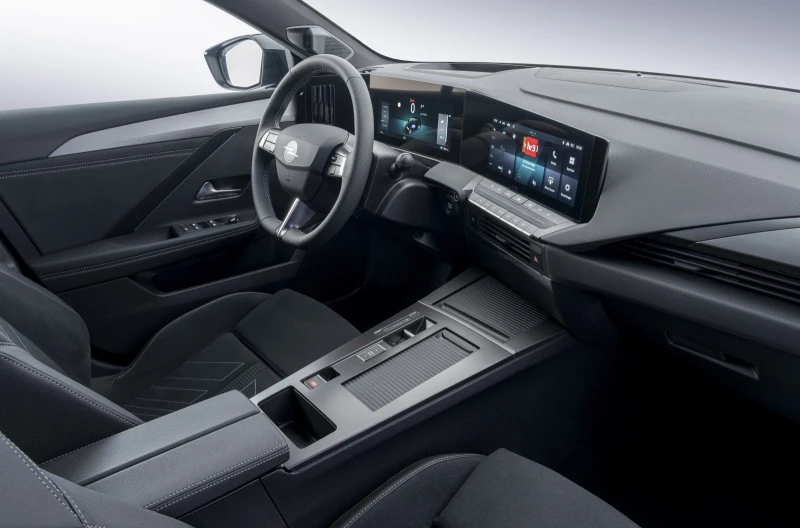
Stellantis has begun gradually returning diesel engines to updated models. For example, the Opel Astra and Peugeot 308 have again received a 1.5-liter diesel engine with approximately 130 horsepower. This engine combines fuel efficiency and sufficient performance for everyday use.
In addition, larger models, including minivans and commercial vehicles, have also received diesel versions. This applies to vehicles such as the Opel Zafira, as well as Peugeot and Citroën models built on a common platform. These vehicles are often used for passenger and cargo transport, where fuel efficiency and range are of great importance.
Response to Demand and Market Features
Despite the development of alternative technologies, demand for diesel vehicles persists. Many buyers continue to choose such vehicles due to their fuel efficiency and convenience for long-distance operation. In some segments, particularly among corporate clients, diesel remains the preferred option.
Reduced competition in this segment also plays an important role. Some manufacturers have cut back on diesel models, opening additional opportunities for companies willing to continue their production.
Conclusions
Stellantis's decision to expand its diesel vehicle offerings reflects adaptation to current market conditions and sustained demand for such engines. Despite the advancement of electric technologies, diesel engines remain relevant due to their efficiency and practicality. The return of these engines to model lineups shows that the automotive market continues to utilize various types of powertrains depending on user needs.