They are attributed with higher energy density, lower weight, and better safety. However, claims of fully ready and almost production-ready solutions regularly raise doubts among experts. This material examines why loud announcements about "revolutionary" solid-state batteries have not yet found confirmation in real technology.
Problems with Current Batteries
Modern lithium-ion batteries for electric vehicles are characterized by high mass, cost, and limited service life. A typical battery pack can weigh about 500 kg, and for large models — exceed 1,200 kg. In terms of energy reserve, such batteries are often equivalent to only 20–25 liters of fuel. At the same time, charging takes hours, and in some cases — significantly longer, which imposes strict limitations on daily operation.
It is against the backdrop of these limitations that any improvements in batteries are often perceived as a major technological breakthrough, even if it's only about partial progress.
Expectations from Solid-State Technologies
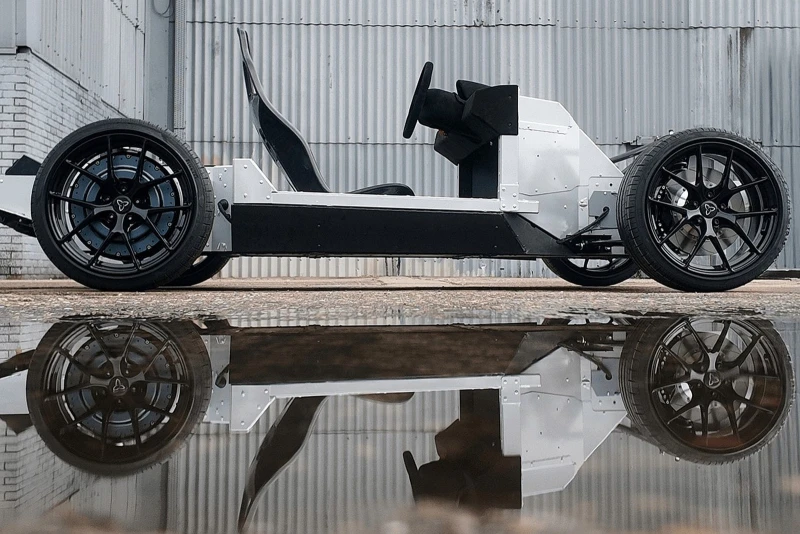
Solid-state batteries theoretically should replace the liquid electrolyte with a solid one, which can increase energy density and reduce the risk of fires. In an ideal scenario, this would allow reducing the battery mass by about half with the same energy reserve and increase the lifespan.
However, even such improvements do not eliminate fundamental limitations. Charging speed still depends on the capabilities of power grids and electricity generation, and infrastructure requirements remain high. In addition, the transition from laboratory samples to industrial production is associated with serious technological barriers.
Expert Skepticism
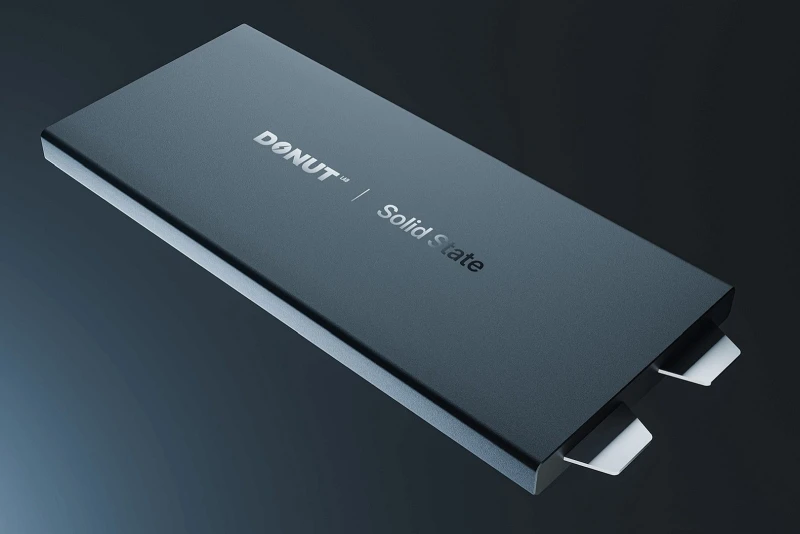
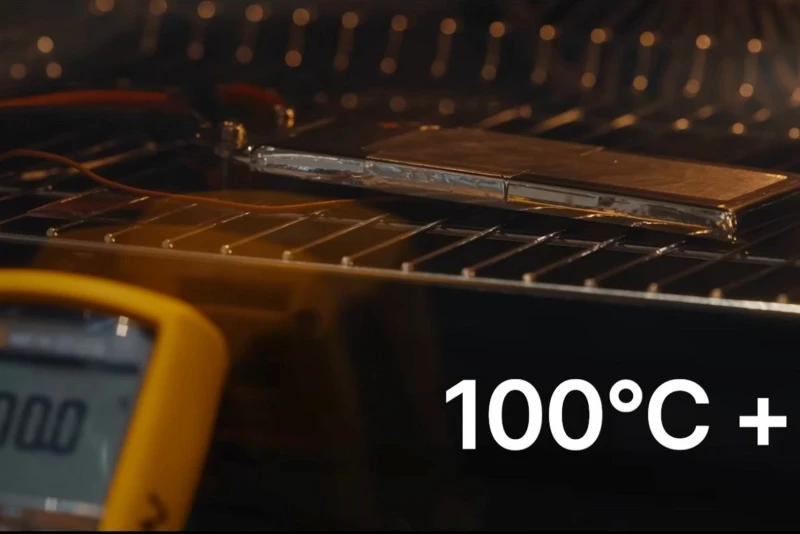
Another wave of discussions arose after statements from a small company about allegedly ready solid-state batteries with a set of characteristics that simultaneously promise high capacity, fast charging, resistance to extreme temperatures, and long service life. According to industry experts, such parameters contradict each other from the point of view of physics and materials science.
The head of one of the large battery manufacturers in China publicly stated that such batteries in the claimed form do not exist at the moment, and talks about imminent mass production mislead the market. According to him, even basic research in this area is not yet ready for scaling.
Investments and Reality
Experts note that statements about "almost ready" solid-state batteries are often used to attract investor attention. Over the past years, specific production launch dates have been repeatedly named, which were subsequently postponed or quietly disappeared from public communications. Alternative solutions with semi-solid electrolyte also did not provide a fundamental leap in characteristics.
Conclusion
Solid-state batteries remain a promising but still distant direction of development. None of the announced "revolutionary" technologies has reached mass application, and the expected advantages do not yet solve the key problems of electric transport. Real progress in this area requires time, fundamental research, and cautious assessment of possibilities, rather than loud statements about ready solutions.