Sharp volume decline combined with a radical strategic pivot has led Jaguar’s partners to openly discuss risks and question the long-term viability of continued cooperation. This article examines what is actually happening with Jaguar and why dealer confidence is deteriorating.
From Record Sales to Strategic U-Turn
In 2018 Jaguar delivered approximately 181,500 vehicles — the strongest result in the brand’s modern history. Despite this peak, management decided to abandon the existing positioning and completely overhaul the model range. The stated goal was to move away from volume-oriented premium and target a far more exclusive segment.
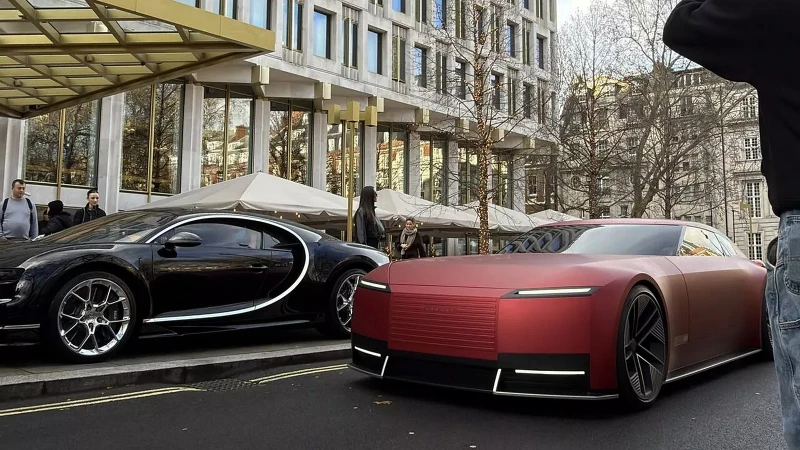
Such a shift could have positioned Jaguar closer to ultra-low-volume makers offering highly distinctive, emotionally charged vehicles. However, the path actually chosen diverged significantly from that model.
All-EV Bet and Market Response
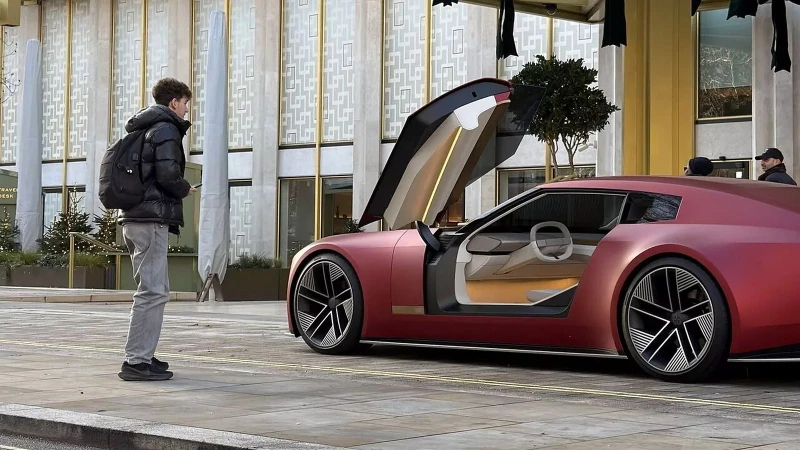
Jaguar placed an uncompromising focus on fully electric models, effectively phasing out internal combustion engines. For many in the brand’s traditional audience this came as a surprise — Jaguar has long been associated with powerful, characterful engines, including legendary V12 units of previous decades.
In reality, the electric transition has not translated into increased interest from affluent buyers. On the contrary, demand has collapsed. According to dealer estimates, current sales volumes have fallen by roughly 95% compared with peak figures.
Dealer Sentiment and Internal Uncertainty
Dealer representatives increasingly state that Jaguar’s new business model remains unclear. Industry publications report internal discussions about potentially reducing annual production to as low as 10,000 vehicles. Such a move would represent an extreme niche strategy that would require a significantly smaller dealer network.
Several partners openly admit they do not yet understand who the target audience for future models will be, nor how dealers are expected to generate sustainable revenue under the new approach. Even dealer association representatives acknowledge that a viable market for vehicles at this level of exclusivity still needs to be established.
Sale vs. Subscription / Long-Term Lease
Additional uncertainty has been created by reports of potential moves away from traditional ownership toward long-term leasing or subscription models. While such structures could help control residual values and the used-car market, they also reduce transparency for both customers and dealers.
The company later clarified that Jaguar vehicles would continue to be available for outright purchase, but this statement has not fully alleviated dealer concerns.
Conclusion
Jaguar is navigating one of the most challenging periods in its history. Drastic sales contraction, an all-electric ultra-niche product strategy, and ongoing uncertainty around the commercial model are generating deep skepticism among dealers. Over the coming years, market reaction and the brand’s ability to clearly articulate and execute its new positioning will determine whether Jaguar can remain viable in this radically different format.