The model, conceived as an experimental step toward electrification, left the market just two years after the hybrid version's launch. This article explains why the project failed to attract buyers and why its disappearance was unlikely to surprise dealers or the market.
An Idea Initially Limited by Compromises
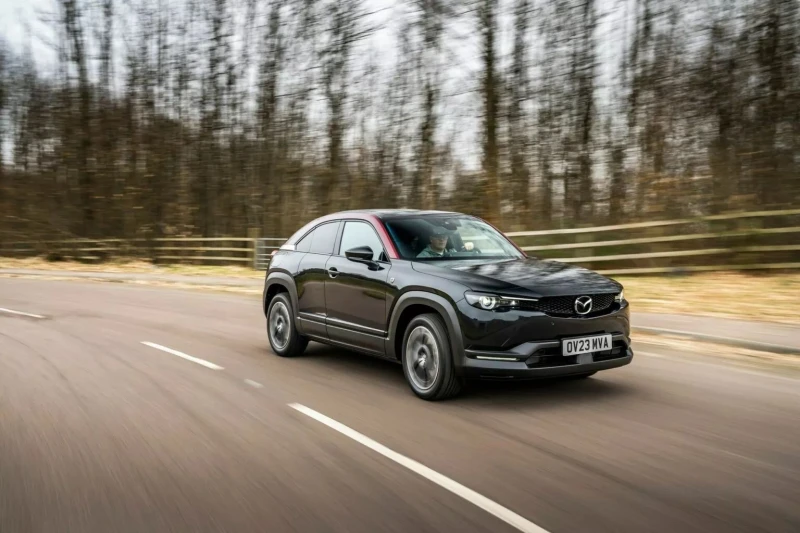
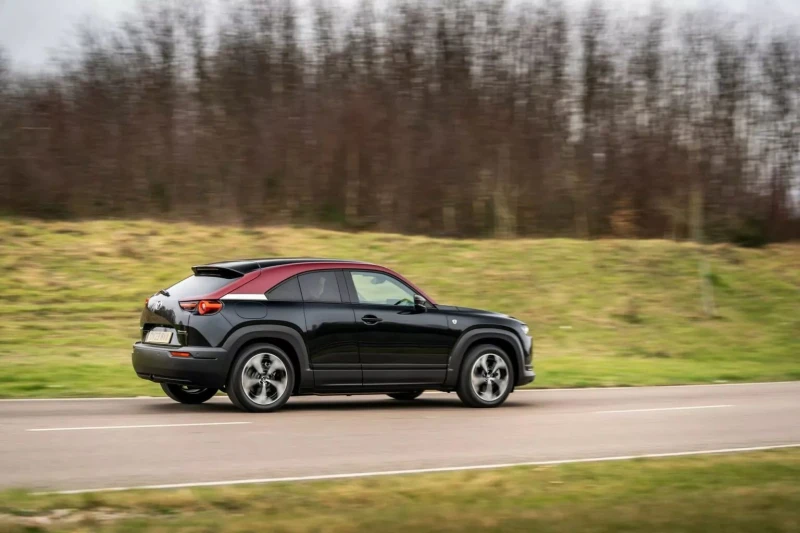
Mazda MX-30 debuted as a compact electric SUV with an unconventional philosophy. The vehicle featured a small battery with a capacity of 35.5 kWh, providing a modest range. The manufacturer explained this by emphasizing environmental concerns and reducing the carbon footprint, but in practice, this approach significantly narrowed the pool of potential buyers.
An additional feature was the rear-hinged doors, reminiscent of solutions from the sporty RX-8. This seemed justified for a coupe, but in a family vehicle, such a layout reduced everyday usability.
R-EV Version: An Attempt to Rectify the Situation
In hopes of expanding the audience, Mazda introduced the MX-30 R-EV version. It utilized a Wankel rotary engine operating solely as a generator to recharge the battery. Formally, this was intended to alleviate concerns about range and dependence on charging infrastructure.
However, in practice, the solution introduced new compromises. When the engine started, the silence typical of electric vehicles disappeared, and fuel consumption along with the overall complexity of the design provided no tangible advantages. For a vehicle positioned as urban and family-oriented, this proved critical.
Sales and Market Reality
Sales results were extremely modest. In several countries, MX-30 registrations were counted in single units per month, and over an entire year, only dozens of vehicles were sold. Even the R-EV version could not reverse the trend.
The starting price of the model in Europe was around 38,000 euros, placing the MX-30 in direct competition with more practical and technically versatile alternatives. At the same time, the vehicle offered neither outstanding range nor notable dynamic advantages.
Project Conclusion and Lineup Replacement
The pure electric version of the MX-30 was discontinued earlier, while the R-EV hybrid lasted on the market for about two years. No official high-profile announcements about ceasing production followed, but the information was confirmed by company representatives.
In Europe, the MX-30 is making way for new electric models developed in collaboration with Chinese partners. Among them are larger and more powerful vehicles targeted at a different price and functional segment. One such crossover has a length of about 4.85 m and power around 258 hp, significantly surpassing the MX-30's parameters.
Conclusion
Mazda MX-30 became an example of a vehicle that proved too niche for the mass market. Limited range, controversial design decisions, and high price prevented the model from establishing itself in Europe. As a result, its departure went almost unnoticed — without significant losses for the brand and without regret from dealers.