


In the midst of winter, more than half of the electric buses were taken out of service due to low temperatures. This case illustrates the practical challenges that large-scale electrification of passenger transport may encounter in real climatic conditions.
Full Transition to Electric Buses
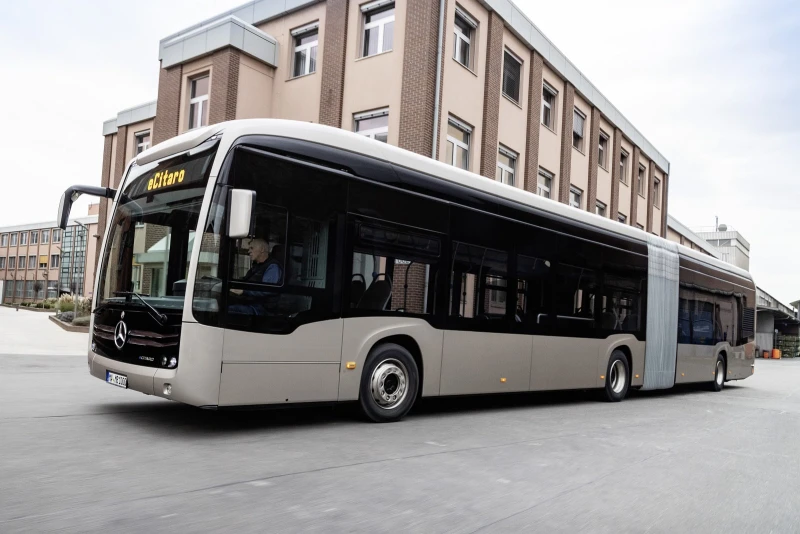
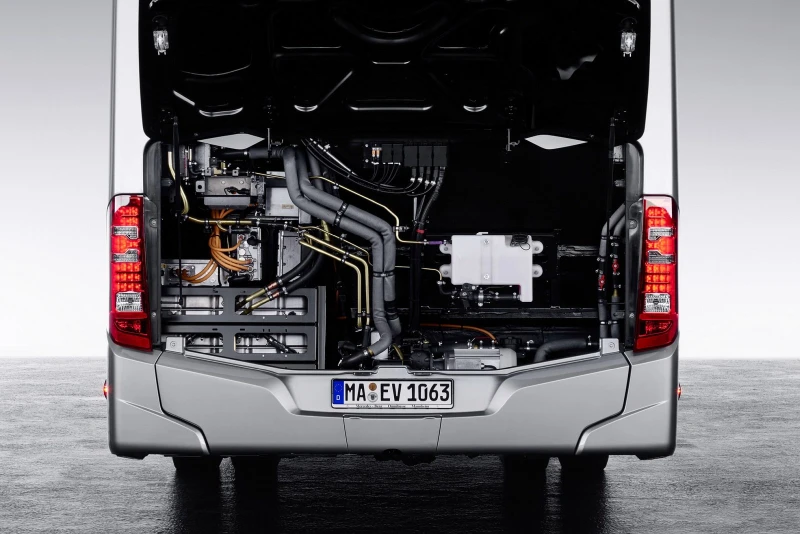
The transport operator Rhein-Neckar-Verkehr (RNV), serving the cities of Mannheim, Heidelberg, and Ludwigshafen, has been consistently converting its bus fleet to electric propulsion in recent years. The core of the fleet consists of articulated Mercedes-Benz eCitaro G models, equipped with batteries and an auxiliary fuel cell system. These vehicles have been in operation since 2023 and until recently did not raise significant concerns.
However, with the onset of sustained cold weather, the situation changed dramatically. At temperatures around −5 °C, which are typical winter conditions for this region, widespread equipment failures began.
Mass Failures and Route Disruptions
According to the operator, out of 48 electric buses, more than half were temporarily unfit for service. Issues emerged gradually from the end of the previous year, but reached a critical point in January. As a result, some routes were entirely canceled, while intervals on other lines were significantly extended.
An additional challenge arose from RNV's prior complete abandonment of reserve diesel buses. There were no alternatives to replace the failed vehicles, and the manufacturer—Daimler Buses—also lacked sufficient substitute units.
Response from Operator and Manufacturer
RNV representatives confirmed that the buses sustained damage related to low temperatures, with no immediate solution available. Daimler Buses, in turn, notes that even with extensive testing, new technologies can reveal vulnerabilities in actual operating conditions that are difficult to fully anticipate.
Meanwhile, timelines for restoring stable public transport operations remain unclear. Local authorities have acknowledged that full normalization of bus services is not feasible in the short term.
Lack of Alternatives and Future Plans
Despite the emerging difficulties, regional operators do not intend to revise their strategy or revert to a mixed fleet incorporating diesel or gas buses. Electric transport remains the sole chosen path, even accounting for current operational risks.
The incident in the Rhein-Neckar area drew attention from German media and sparked discussions among experts. It underscores that equipment reliability in winter conditions and the presence of contingency options are critical for sustainable public transport operations.
Conclusion
The disruption in electric bus operations under moderate cold conditions demonstrates the importance of considering climatic factors and contingency scenarios in a full transition to new technologies. The Rhein-Neckar region's experience provides a clear illustration of how technical limitations and the absence of alternatives can result in significant transport system interruptions.