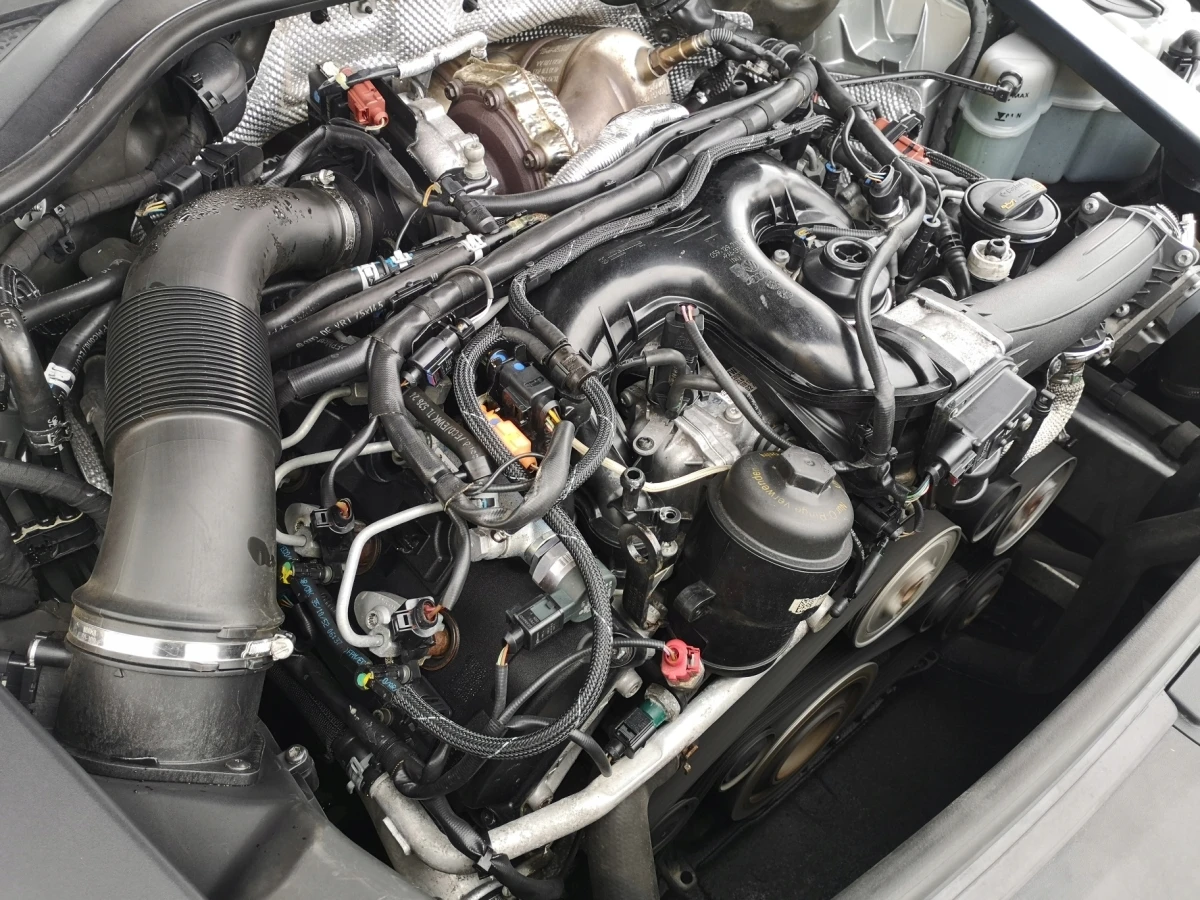
Audi A6 C6 common issues in the third generation (Typ C6) include several well-known problems that owners across the globe — including the United States — regularly encounter. While the model earns solid marks for comfort and prestige (around 3.5/5 reliability on platforms like RepairPal), it does come with notable drawbacks. One major complaint is elevated fuel consumption in gasoline FSI/TFSI versions: real-world figures often hit 12–18 mpg combined in city driving, worse than EPA estimates, especially in the 3.2 FSI and 4.2 V8 due to oil burning (typically 0.5–1 quart every 1,000 miles). The aging MMI infotainment feels dated: 6.5-inch non-touch screen, glitchy navigation, and no native support for modern smartphone integration without aftermarket upgrades.
Corrosion remains a frequent headache: wheel arches, rocker panels, underbody, and seams rust from road salt and winter conditions, often in hidden areas. Sound insulation is mediocre: noticeable tire and wind noise on the highway, plus diesel TDI vibrations. Maintenance can get complex: accessing the timing chain or turbo often requires engine removal, driving up labor costs. Parts are pricey: genuine components (like a Multitronic mechatronic unit — $2,000–$4,000) cost 50–100% more than aftermarket options, and rare items (air struts) can be hard to source. Other recurring issues: adaptive air suspension leaks, electronic gremlins (sensors, instrument cluster), and EGR/DPF troubles in diesels. Audi A6 2004–2011 problems frequently appear in owner forums, Edmunds, and CarComplaints reports. For full specs, tech details, and interior photos, check our related guides.
Model Years & Versions: Red Flags to Watch For
Issues vary significantly by year and engine. Pre-facelift models (2004–2007) tend to have more headaches: outdated electronics (early MMI, finicky sensors), poor cabin insulation, and transmission woes — the Multitronic CVT often fails around 60,000–80,000 miles (chain stretch, mechatronic). Engines: 2.0 TFSI notorious for oil consumption from piston rings, 3.2 FSI timing chain stretch (replacement every 75,000–95,000 miles), 4.2 V8 intake flap failures. Diesels 2.0 TDI suffer oil pump drive issues, EGR, DPF, and injector problems from lower-quality fuel; 2.7 TDI camshaft wear.
Facelift models (2008–2011): better noise suppression, introduction of more reliable engines like the supercharged 3.0 TFSI, but corrosion, air suspension, and wiring issues persist. High-performance S6/RS6 models see accelerated quattro and turbo wear. In the US market, early years (2004–2007) demand extra caution: higher chance of rolled-back odometers, flood or salvage imports. Later 2008–2011 examples are generally safer bets — just verify software updates on TDI models and any diesel emissions recalls.
| Years | Major Issues | Recommendation |
| 2004–2007 | Oil burning, Multitronic CVT, diesel EGR | Inspect very carefully |
| 2008–2011 | Rust, air suspension, electronics | Preferred choice |
Used Market in the United States
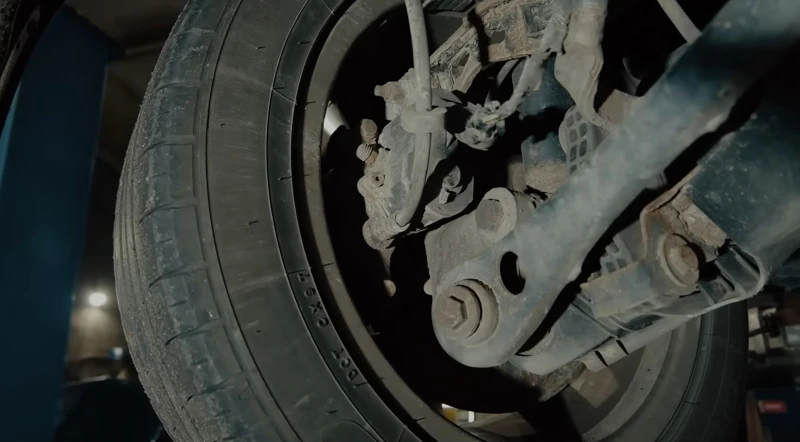
The US used market for the Audi A6 C6 has its quirks: plenty of clean imports from milder climates, but also many ex-lease or high-mileage examples from salt-belt states. Pay close attention to body condition: rough roads and potholes accelerate air suspension and bushing wear, while winter salt eats arches, rockers, floors, and seams (use an endoscope under trim). Service records: insist on full maintenance history and receipts — without them, assume hidden issues (odometer rollback, 200,000+ miles hidden as 100,000). Verify mileage via CARFAX or similar VIN checks.
Genuine parts availability: aftermarket is cheaper but can compromise longevity (e.g., TDI injectors — OEM $1,500–$2,000 vs. aftermarket $800–$1,200 with higher failure risk). Service intervals: oil changes every 5,000–10,000 miles, Tiptronic fluid every 40,000 miles. Trim authenticity: many US-spec cars lack Euro adaptations (headlights, radio frequencies, imperial units). Title checks: avoid salvage or rebuilt titles with questionable history. Market listings: hundreds on Autotrader, Cars.com, and CarGurus, with prices typically $6,000–$15,000 depending on condition and mileage, though 20–30% show accident history or deferred maintenance. In 2026, TDI diesels remain popular for highway use, but watch for fuel quality and shop expertise.
Ownership & Repair Budget
Many Audi A6 2004–2011 issues are fixable. Oil consumption in FSI: piston ring replacement ($2,000–$5,000). Sound deadening: extra door/arch insulation ($500–$1,500). Dated infotainment: Android-based head unit with CarPlay ($1,000–$2,000). Rust prevention: undercoating ($300–$700), arch/rocker replacement ($1,500–$3,000). Routine items: timing chain ($2,000–$4,000), Multitronic rebuild ($3,000–$5,000), air struts ($1,000–$2,000 each).
Realistic budget for a solid example: $10,000–$14,000 for a well-kept post-facelift model, plus $5,000–$10,000 over the first 2–3 years for maintenance and fixes. Expect annual repair costs around $3,000–$5,000 based on forum reports. Budget 20–30% of purchase price for initial catch-up work. US shop rates vary: higher in big cities like Los Angeles or New York (diagnostic $200–$400), more reasonable in smaller markets, but quality differs.
Final Verdict & Buying Tips
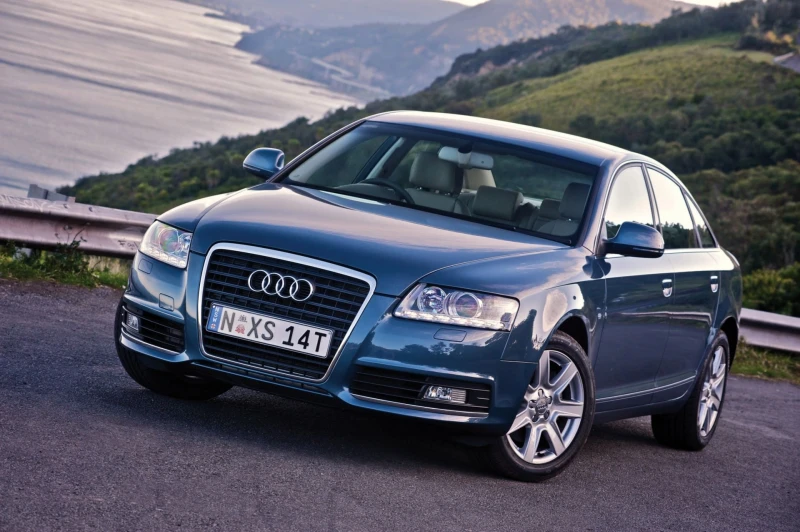
The Audi A6 C6 drawbacks aren't deal-breakers — this generation remains a compelling used luxury sedan in 2026 if you can handle the upkeep costs. Smart buy: facelifted 2008–2011 models under 150,000 miles, preferably 3.0 TFSI or 3.0 TDI, clean Carfax history from a non-salt state. Steer clear of early 2004–2007 Multitronic cars with heavy oil use, uninspected salvage US-specs prone to hidden rust/damage, and thirsty V8 models. Must-haves: full VIN report, independent pre-purchase inspection (suspension, engine, transmission, air system), and test drive for noises/vibrations/leaks.
During inspection: check oil level/condition, scan electronics, look for suspension sag or air leaks. Key factors: documented service history, minimal rust, quality parts used, and owner feedback on fuel. When everything checks out — it's still an excellent highway cruiser and family hauler, just plan for premium maintenance expenses.