Hyundai Elantra 2015–2020 issues are frequently discussed in owner forums and reviews, with complaints covering engine behavior, transmission feel, interior durability, and paint quality. In the US market, most examples are domestic or imported units, each with slightly different equipment and calibration. This guide breaks down the main drawbacks, year-to-year changes, market realities, fixes, and smart buying advice. Check our other articles in the series for full specs, features, and interior photos.
Main Weak Points and Generation Highlights
Owners of the Hyundai Elantra VI frequently mention a few recurring areas that deserve attention. Fuel economy in the 2.0 Nu MPI with 6-speed automatic typically lands around 28–32 mpg combined, but city driving often drops it to 24–27 mpg depending on traffic, driving style, and fuel quality. The 1.6 U2 CRDi diesel versions — rarer in the US and mostly seen in imports — achieve better figures in the low-to-mid 40s mpg highway, though they aren't common domestically and may need emissions-related tweaks.
Early infotainment setups feature 5–7 inch screens with Bluetooth and basic nav, but owners report sluggish response times and missing smartphone mirroring in base trims. Cabin noise is acceptable for the class at normal speeds, yet road and wind noise become noticeable on highways or rough pavement, especially in pre-facelift cars.
Interior materials lean toward hard plastics on the dash and doors that scratch and wear over time. Cloth seats show wear with heavy use, while leather needs regular conditioning. Electronics and transmissions (especially the 7-speed DCT on turbo models like the 1.4/1.6 T-GDi) often require dealer-level scan tools for proper diagnosis. Parts prices vary, but coils, suspension bits, and other items remain reasonably available from both OEM and aftermarket sources.
Other reported annoyances include idle vibrations in the cabin and thin paint prone to chipping and stone damage.
Year Range Breakdown — Red Flags to Check
As a discontinued generation, differences across model years are noticeable. 2015–2017 cars tend to have more reports of ignition coil failures on Gamma and Nu MPI engines, along with weaker sound deadening. Early builds also saw some factory-related issues and regional recalls, particularly engine-related in certain cases.
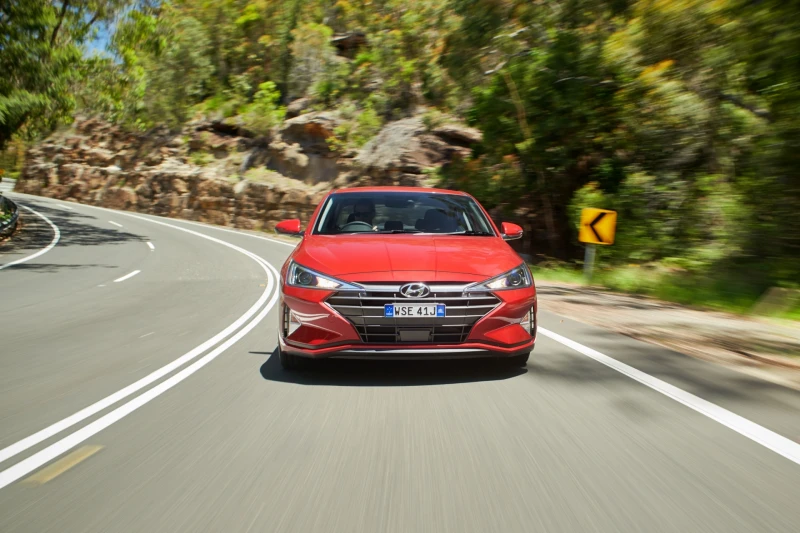
Facelifted 2018–2020 models bring welcome updates: better noise insulation, revised infotainment with Apple CarPlay and Android Auto support, and the switch to IVT (intelligent variable transmission — CVT) for many 2.0 Nu MPI units instead of the conventional 6AT, improving smoothness while needing careful fluid maintenance. ADAS safety features expanded in the facelift, helping reduce certain failure rates. US-market cars generally have consistent suspension tuning, though some imported examples may differ slightly in emissions or equipment.
Pre-facelift used Elantras especially benefit from verifying software updates and replaced parts.
Used Market in the United States
In the US, most Hyundai Elantra VI examples on the market are domestic units or clean-title imports. Body condition varies with road salt in northern states accelerating rust on rockers, wheel arches, and underbody — particularly without aftermarket protection. Harsh winters also speed up seal and electrical wear.
A full service history is very valuable: documented maintenance reduces risk, especially on DCT-equipped turbo models. Verify originality via VIN, as repaired or flood-title cars exist. Mileage tampering happens, so always run a full electronic scan and odometer check.
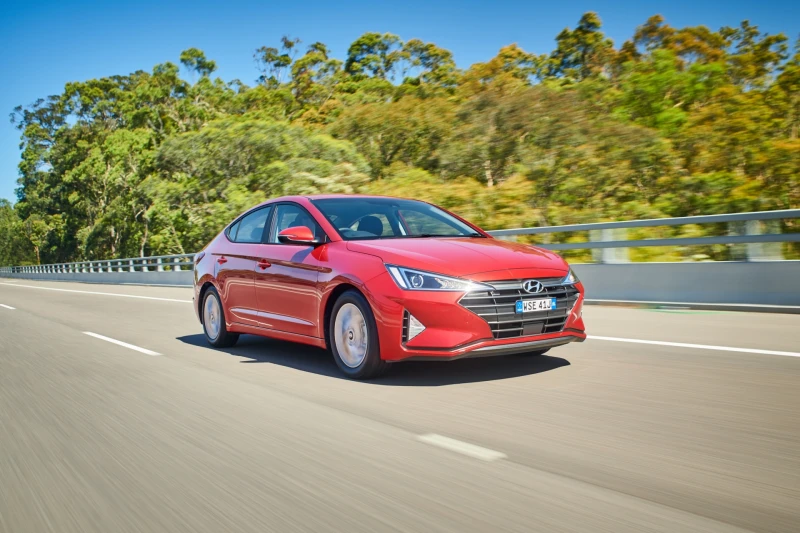
Auction-sourced cars from certain regions can carry prior damage, while domestic units usually include the 2.0 Nu MPI with automatic and mileage in the 60,000–120,000 range. Approximate fair market prices for decent examples typically fall between $8,000 and $14,000 depending on condition, mileage, and location — roughly $9,000–$12,000 for average 2016–2019 models with 80,000–110,000 miles.
| Aspect | US Market Notes |
| Rust / Corrosion | Rockers, arches from road salt in northern states |
| Mileage | Often rolled back — verify with scan tools |
| Origin | Mostly domestic, some imports with spec differences |
| Service Records | Strong history significantly lowers risk |
What Can Be Fixed and Realistic Budget
Many Elantra VI issues are fixable. Adding aftermarket sound deadening to doors, floor, and wheel wells can drop cabin noise by 10–15 dB. Upgrading the head unit to a modern unit with a larger screen and full smartphone integration is straightforward and uses factory harnesses in most cases.
Worn seats or scratched plastics can be refreshed with upholstery kits or trim replacements. Suspension refresh (shocks, bushings) dramatically improves ride over potholes. Underbody rust prevention via professional coating helps long-term, especially in salt-belt states. Stick to schedule: fluid changes in DCT/IVT, filters, plugs, etc.
Budget tip: plan an extra 10–20% of purchase price for immediate needs — diagnostics, fluids, minor fixes. Serious rust repair or full interior refresh adds more depending on scope.
Final Thoughts & Buying Advice
In 2026 the Hyundai Elantra VI remains a practical, budget-friendly used compact sedan for buyers who do their homework. Early 2015–2017 models demand extra scrutiny on engine and electronics, while 2018–2020 facelifts feel more polished thanks to updates. The 2.0 Nu MPI with automatic (or IVT) strikes the best balance for most US buyers — front-wheel drive, decent efficiency, and widely available parts.
During inspection and test drive, focus on: engine (listen for knocks or shakes at idle), transmission (smooth shifts, no hesitation), suspension (clunks over bumps), body (check for rust), and interior (wear and functionality). With careful selection, the Elantra VI's drawbacks are manageable and the car can deliver reliable, economical transportation.