



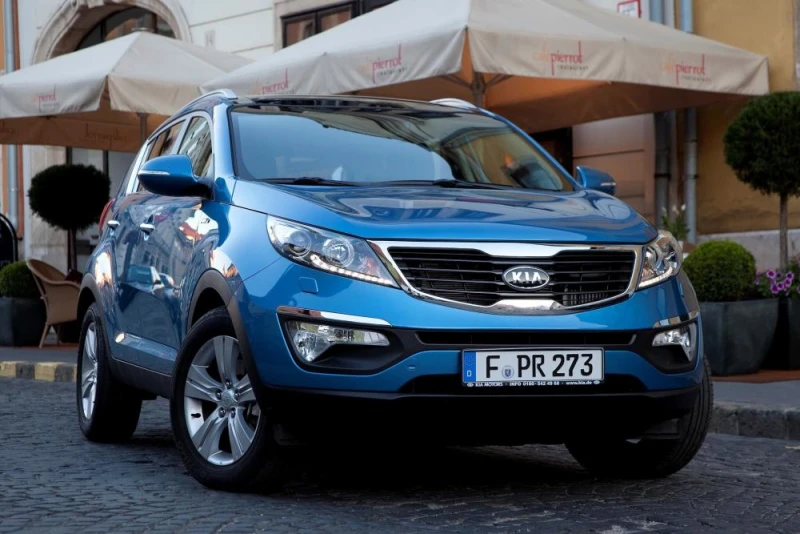
This generation, known as SL, was produced from 2011 to 2016 and gained strong popularity thanks to its solid mix of pricing, styling, and practicality. Like any used vehicle, however, it has several areas that deserve close attention. In this article, we break down the main drawbacks, version-specific quirks, US market specifics, ways to address common issues, and practical advice for prospective buyers. Kia Sportage 2011–2016 problems are often age-related, but many can be managed with proper care. The used Kia Sportage continues to be a sought-after option, though it demands a thorough inspection.
Key Drawbacks and Generation Features
Owners of the Kia Sportage III frequently mention several traits that affect daily driving. These points aren't always deal-breakers, but they should factor into your evaluation.
Fuel economy varies by engine and driving habits. The 2.0L gasoline engine (common in the US market) typically returns around 21–24 mpg combined, which feels a bit thirsty for a compact crossover. Diesel versions like the 2.0 CRDi (136 or 184 hp) are more frugal — roughly 28–32 mpg combined — but require high-quality fuel to prevent fuel-system issues. In the US, gasoline models dominate the used inventory.
The infotainment and navigation tech reflects early 2010s standards. Factory systems usually feature basic screens without Android Auto or Apple CarPlay support. Built-in navigation, when equipped, relies on outdated maps with limited or no update availability. Owners often report restricted smartphone integration and only average audio quality.
Sound insulation falls short compared to rivals. Road and tire noise become noticeable above 60 mph, especially on rough pavement. It remains tolerable in city driving, but highway trips can feel fatiguing.
Interior materials align with the budget-conscious segment: hard plastics dominate, and seat/steering wheel trim wears over time. Leather on the wheel and seats may peel after 60,000–90,000 miles without regular conditioning.
Maintenance difficulty is typical for Korean brands. Access to components is generally good, but the AWD system needs regular checks — splines and the coupling can wear, especially with aggressive use. US-market versions commonly feature a 6-speed automatic or manual; both are durable when fluid changes are kept up.
Parts and repair costs remain reasonable thanks to plentiful aftermarket options. Genuine suspension pieces or sensors cost more, but quality compatibles help keep expenses down. Brake rotors and pads, for example, are affordable to replace, though diesel turbo repairs can become pricier.
Model Years and Versions — What to Watch Closely
With production long ended, understanding year-to-year changes is critical. Early 2011–2013 models tend to have more engine and electronics concerns. The 2012 model year stands out as particularly troublesome, with documented cases of engine issues (cylinder scoring in the G4KD gasoline unit) and brake-system faults. These early units often benefit from checking for manufacturer service campaigns.
Pre-facelift (2011–2013) vehicles used the G4KD 2.0L gasoline engine (150 hp), which could suffer scoring if overheated. The 2014+ facelift introduced the improved G4NU with better pistons. Diesels (often European imports in other markets) saw refinements, including the shift to a 6-speed automatic in place of earlier units. Post-facelift models gained a revised grille, LED taillights, and better noise suppression. Features like keyless entry became more reliable. In the US, gasoline engines were standard, with the 2.0L and 2.4L options most common; diesel variants are rare stateside.
Used Market in the United States
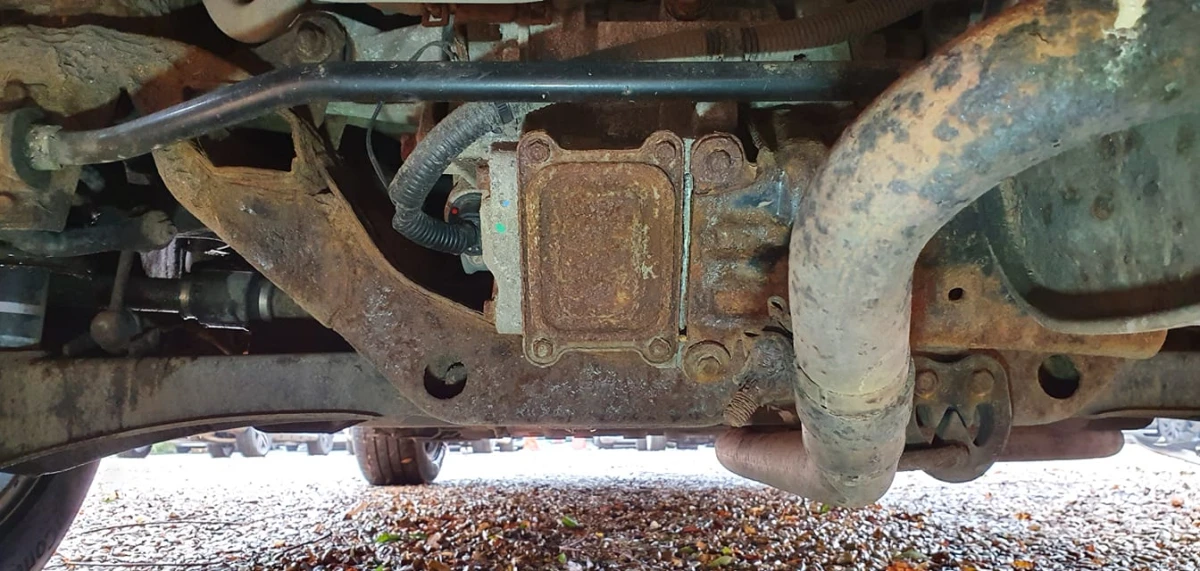
On the US used market, Kia Sportage III examples typically show 90,000–150,000 miles. Body condition varies with regional climate and road maintenance: rust appears on underbody, wheel arches, and seams in areas using heavy winter salt. Humid or coastal regions can accelerate corrosion without renewed undercoating.
A complete service history is very important — vehicles lacking documentation often hide issues. Verify originality via VIN; modified or pieced-together examples are not uncommon. Odometer rollback remains a concern, particularly on higher-mileage units; advertised averages hover around 100,000–130,000 miles, but actual figures can be higher. Always run a vehicle history report.
Most examples originate from domestic sales or regional trade. Key things to check include accident history, title status, and emissions compliance. Typical listings: gasoline FWD models around $6,000–$9,000, AWD versions $8,000–$11,000 (depending on condition and region). Rust and mileage discrepancies represent the biggest risks.
| Aspect | US Market Notes |
| Rust | Accelerated by road salt — inspect underbody and wheel wells |
| Mileage | Frequently rolled back — use history report services |
| Origin | Primarily domestic US sales |
| Common Trims | Gasoline 2.0L or 2.4L, FWD/AWD |
| Price Range | $6,000–$11,000 depending on condition and mileage |
Fixable Issues and Budget for Solid Condition
Many Kia Sportage III shortcomings can be addressed. Upgrading sound deadening — applying materials to wheel wells and doors — noticeably reduces cabin noise. Modern aftermarket head units bring smartphone integration. Worn interior trim (steering wheel wrap, seats) can be renewed with quality replacements.
Suspension refreshes (shocks, stabilizer links) restore ride quality. Applying fresh undercoating helps prevent further rust. Routine maintenance covers oil/filter changes, plus timing chain attention on gasoline engines.
Budget guideline: plan an extra 10–20% of purchase price for immediate needs. Sound deadening kits start around a few hundred dollars; interior refreshes are similar. Prevention remains far cheaper than major repairs.
Final Thoughts and Buying Tips
In 2026, the Kia Sportage III remains a sensible used buy if properly vetted: it's generally dependable for daily driving, especially around town. Pay extra attention to 2011–2013 examples due to potential engine concerns; facelifted 2014–2016 models are preferable. Well-balanced choices include gasoline AWD automatics, which offer straightforward maintenance in the US. Gasoline variants tend to be simpler overall.
During inspection and test drive, focus on: engine (listen for knocks or scoring signs), AWD operation, brakes, suspension, and electronics. Check body for rust and verify mileage through official records.
For full specs, performance data, and interior photos, check other articles in our series.