


While the Outlander II is generally considered a solid and dependable midsize crossover for its era, it does carry a few classic Japanese-SUV issues from that period.
Key problem areas:
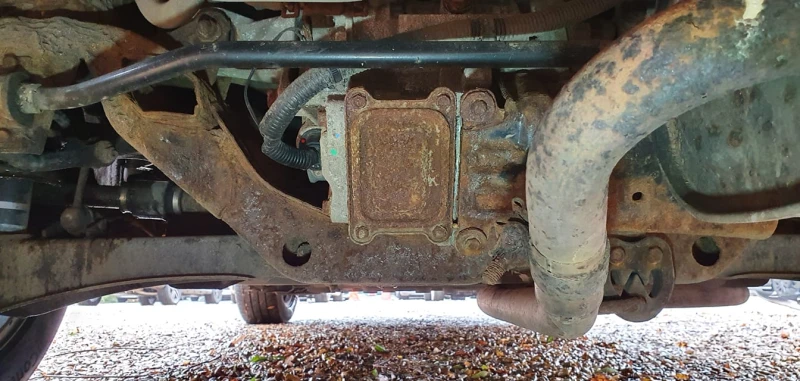
- Body corrosion: Thin factory paint and marginal underbody protection. Rust commonly appears on wheel arches, rocker panels, underbody, door frames, and the rear hatch. In regions that use road salt, this progresses much faster.
- Jatco CVT (JF011E): Overheating, shuddering, slipping after 60,000–90,000 miles. Regular fluid changes and an auxiliary cooler are strongly recommended to extend life.
- Oil consumption on the 2.4L engine: After 90,000–120,000 miles, burning up to 1 quart every 1,000 miles due to stuck piston rings is fairly common.
- Poor sound insulation: Noticeable road, engine, and wind noise at highway speeds.
- Fuel economy: The 2.4L typically returns 18–22 mpg combined in real-world driving; the 3.0 V6 can drop to around 16–19 mpg.
- Interior wear: Easily scratched plastics, leather that shows wear quickly, and a steering wheel that peels.
- Suspension: Stabilizer bushings wear out early, shocks/struts don't last long on rough roads.
- Electrical gremlins: Alternator failures, sensor issues, and foggy headlights over time.
For full specs, interior photos, and generation overview, check our other articles in the series.
Model years & versions — what to watch closely
Pre-facelift models (2007–2009) tend to have more complaints:
- CVT without extra cooling — prone to overheating in stop-and-go traffic.
- Front bumper sag, minor body panel alignment issues from lower structural rigidity.
- Worse cabin noise and cheaper interior materials.
- Early 2.4L engines more likely to develop oil burning.
Facelifted models (2010–2012): refreshed styling, noticeably better sound deadening, slightly refined CVT calibration (still needs diligent maintenance), and 5–10% better real-world fuel economy. These later years are the safer choice overall, though rust remains a concern regardless of year.
Avoid early 2007–2008 examples with high mileage and no service records. Diesel versions (very rare in the US) require extra caution regarding fuel system sensitivity.
Used market realities in the United States
Most used Outlander IIs on the American market today are private imports from Japan, Canada, or former rentals/fleet vehicles. Typical things to check:
- Rust: Always inspect the underbody, wheel wells, and rockers thoroughly — salt belts accelerate corrosion dramatically.
- Mileage: Rolled-back odometers are not uncommon (real figures often 150,000–250,000 miles).
- History: Many ex-US flood or salvage-title vehicles exist — a full CARFAX / AutoCheck + professional inspection is mandatory.
- CVT & drivetrain: Test drive for any shudder or hesitation; check AWD coupling operation.
- Engine: Compression test, check for oil burning, verify catalytic converters are still present (many have been gutted).
- Trim levels: North American versions usually well-equipped but may have had crash repairs; Canadian-spec often richer but harder to find parts for some items.
- Parts availability: Aftermarket is plentiful and inexpensive; genuine Mitsubishi parts cost more but are still reasonable.
You’ll find plenty of listings on Craigslist, Facebook Marketplace, Cars.com, and Autotrader — but truly clean, low-mile examples are getting scarce. Budget for immediate repairs on most vehicles you’ll see.
Ownership & repair budget expectations
Most issues are fixable without breaking the bank:
- Sound deadening upgrade: Full kit installation — $500–$1,200.
- Modern infotainment: Android-based head unit swap — $250–$500.
- Rust prevention/repair: Undercoating + cavity wax — $400–$800; spot rust repair — from $150.
- CVT: Rebuild — $1,000–$2,000; full replacement — $2,500+ (prevention is far cheaper: fluid every 25,000–30,000 miles + auxiliary cooler ~$250).
- Oil consumption fix: Ring cleaning or replacement — $600–$1,500.
- Suspension refresh: Full overhaul — $500–$900.
Realistically plan to invest $1,500–$4,000 shortly after purchase to bring a typical example into good shape. Ongoing maintenance remains quite affordable — expect $250–$450 per year with regular oil changes and timely service.
Final verdict & buying tips
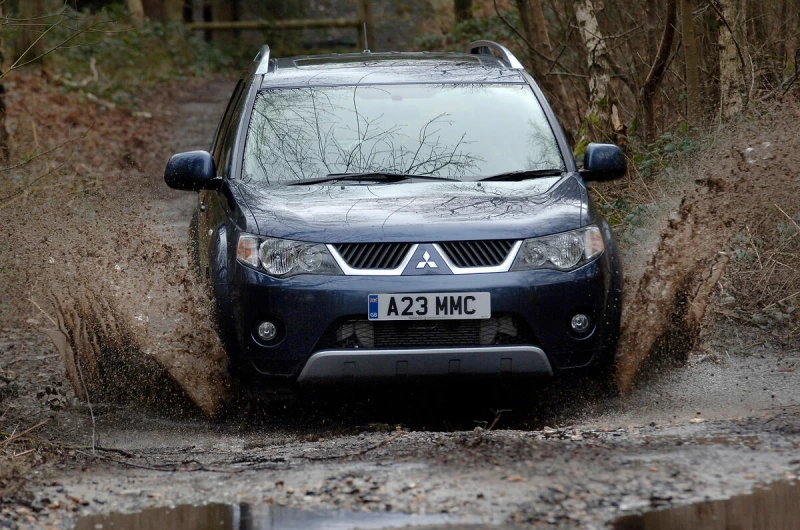
In 2025–2026 the 2007–2012 Outlander II remains a sensible, budget-friendly choice for families or light off-road use: spacious, capable in snow/mud, and still reasonably priced. Approximate market range today for decent examples in the United States: $4,000–$8,500 depending on condition, mileage, and region.
Best buys are:
- 2010–2012 facelift models with the 2.4L + CVT + AWD.
- Clean history, minimal rust, and no major CVT symptoms.
- Pre-purchase inspection at a trusted independent shop.
Walk away from:
- Pre-2010 models without cooling upgrades on the CVT.
- Heavy oil burners, heavily rusted examples, or obvious accident damage.
On test drive pay attention to: transmission behavior, suspension noises, visible rust, oil level/condition, and AWD engagement. Find a well-maintained facelifted example and it can still deliver excellent value for money on American roads.